
A streetwear brand in Los Angeles planned a launch collection of three hoodie colorways and two graphic tee designs in three colorways each — nine SKUs total. The factory she’d shortlisted quoted a 50-piece minimum order quantity, and she assumed that number covered the whole collection. It didn’t. Applied per colorway per style, the real minimum came out to 450 pieces before a single unit shipped. She had spent weeks researching minimum order quantity clothing suppliers and never once asked how that headline number multiplied once real styles and colors entered the order.
This happens constantly, and it isn’t the factory hiding anything — it’s a structural detail buyers skip past because “50-piece MOQ” reads like a single, fixed number. It rarely is.
Why “50-Piece MOQ” Isn’t One Number
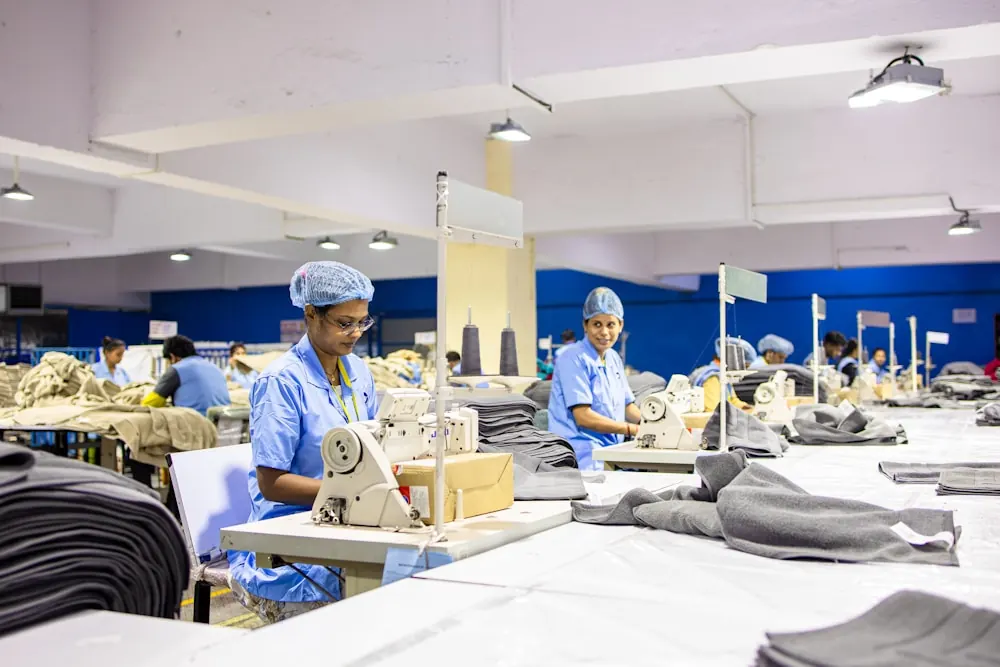
Minimum order quantity exists because cutting, sewing, and dyeing setups carry fixed costs that only make economic sense above a certain batch size. A factory running a cutting table, threading a sewing line, and mixing a dye lot incurs roughly the same setup cost whether the run is 20 pieces or 200. Below a minimum batch size, the per-unit cost becomes unworkable for the factory, which is why manufacturers set a floor rather than accepting any order size. The International Trade Centre’s Garment Costing Guide breaks down this batch-cost logic in detail for small manufacturers weighing order economics.
What changes from factory to factory — and what buyers rarely ask about upfront — is what that minimum actually applies to. Does “50 pieces” mean 50 units of one style, splittable across colors? Fifty units of each individual color? Or 50 units total, pooled across an entire multi-style order? Each structure produces a wildly different total once a real collection with multiple styles and colorways gets built. Any brand serious about launching more than a single-style, single-color test run needs to understand how to negotiate MOQ with clothing manufacturers before assuming the quoted number applies the way they expect.
Trade data on U.S. apparel imports is tracked publicly by the Office of Textiles and Apparel (OTEXA) at the U.S. Department of Commerce, though OTEXA doesn’t publish MOQ figures — those are set factory by factory, which is exactly why the structure needs to be confirmed directly with each supplier rather than assumed from industry norms.
The Three MOQ Structures Brands Encounter
Per-style MOQ. The factory sets a minimum for each style, and colors can be split within that number in whatever ratio the market demands. A 50-piece-per-style minimum might ship as 20 units in black, 20 in navy, and 10 in gray — one style, three colors, one 50-piece minimum satisfied.
Per-colorway MOQ. The factory requires the minimum for every individual color of every style. A 50-piece-per-colorway minimum on a single style offered in three colors requires 150 pieces before the order is accepted — three times the number a buyer expects when they hear “50-piece MOQ” without asking which structure applies.
Per-order MOQ. Less common, and typically reserved for factories running very short, mixed batches. The factory pools a minimum across an entire order regardless of style or color count, though most factories using this structure still enforce a smaller per-style floor beneath the pooled total.
The Multi-SKU Math: A Worked Example
Go back to the Los Angeles brand’s nine-SKU collection: three hoodie colorways, plus two tee designs in three colorways each. Run that collection through each MOQ structure at a 50-piece baseline.
| MOQ Structure | How It Applies | Total Pieces Required |
|---|---|---|
| Per-style (50 pcs, color-split allowed) | 5 styles × 50 pieces, colors split within each style’s 50 | 250 pieces |
| Per-colorway (50 pcs per color) | 9 SKUs × 50 pieces each | 450 pieces |
| Per-order (300 pcs pooled minimum) | One pooled floor across all styles and colors | 300 pieces |
The spread between the cheapest and most expensive structure is 200 pieces on the same nine-SKU collection — real inventory capital, not a rounding error for a brand still validating demand. This is the calculation that gets skipped when a buyer takes “50-piece MOQ” at face value instead of asking which of the three structures a quote refers to.
Fabric-Level MOQ: The Hidden Multiplier
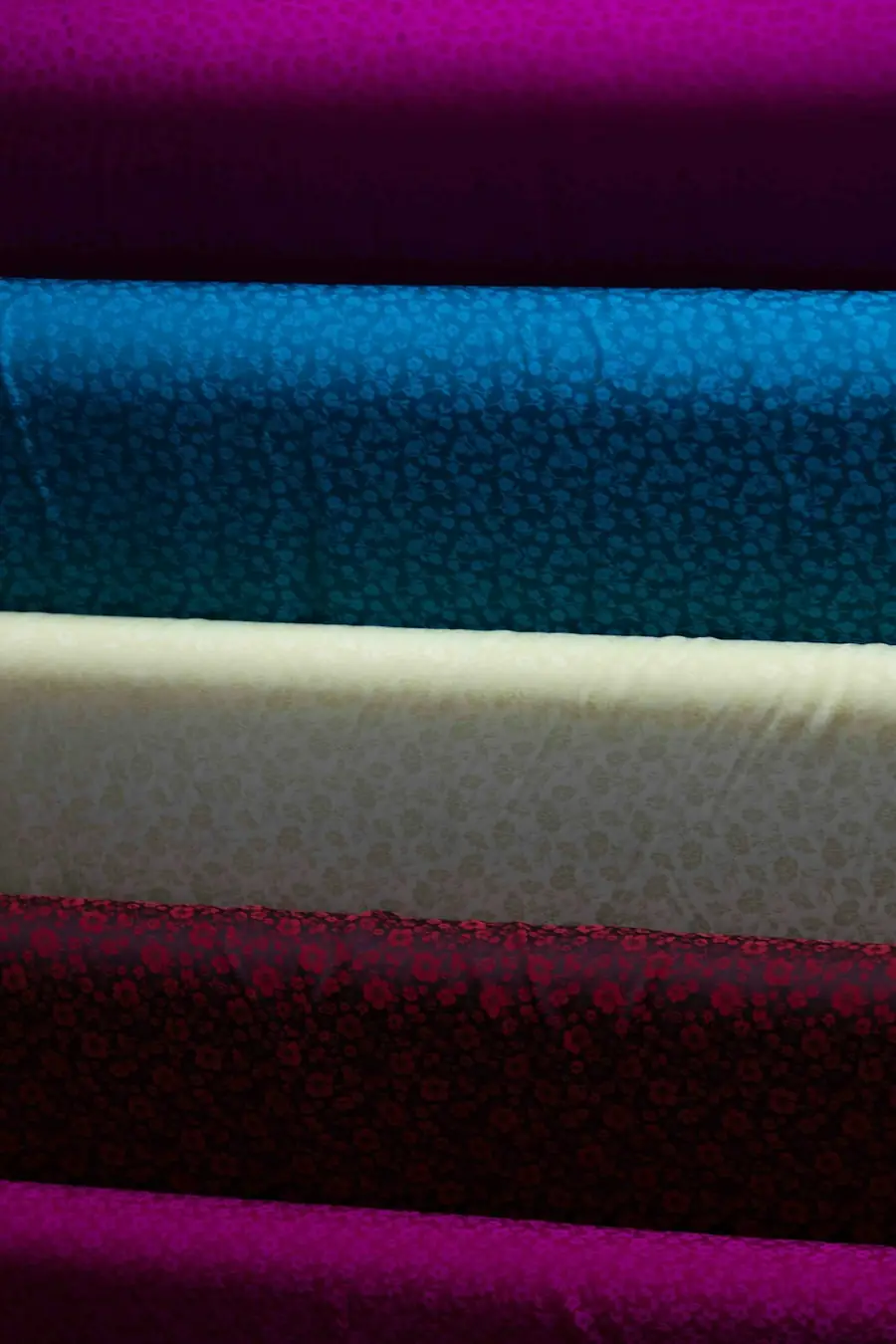
Even a favorable per-style garment MOQ can run into a second bottleneck upstream: the fabric mill’s own minimum. Mills typically require 50–100 kg of fabric per colorway, independent of what the garment factory quotes for finished units. A lightweight style that only needs 15 meters of fabric for a 50-piece run can still get stuck if the mill won’t cut a roll below its own colorway minimum — a constraint the finished-garment MOQ number never mentions. Buyers who confirm garment MOQ but never ask about mill-level fabric MOQ are the ones who get a surprise 4–6 week delay mid-production when the factory has to source an off-cycle fabric batch to hit a color the mill wouldn’t cut small.
How to Verify a Quoted MOQ Before You Commit
A quoted “50-piece MOQ” is a marketing-friendly number until it’s confirmed in writing, broken down by structure. Before sampling, get answers to four questions:
- Is this MOQ per style, per colorway, or per order? Ask for the answer in writing, not a verbal confirmation on a sales call.
- Can colors be split within one style’s minimum, and in what ratio? Some factories that quote per-style MOQ still impose a smaller per-color sub-minimum (10 pieces per color, for example) that isn’t obvious from the headline number.
- Does the fabric mill have its own colorway minimum separate from the garment MOQ? This is the detail most buyers never ask about, and the one most likely to derail a production timeline.
- Does the MOQ change with the complexity of the style? A basic tee and a multi-panel sublimated jacket rarely carry the same practical minimum, even if the factory quotes the same number for both. Understanding the full cost of a garment — fabric, trims, labor, and overhead — makes it easier to judge why some styles carry a firmer minimum than others.
A factory unwilling to put its MOQ structure in writing, broken down this way, is a factory that reserves the right to apply whichever version is more favorable to them once the order is placed.
Working the MOQ Structure Into the Sampling Process
MOQ structure should be confirmed before the garment sampling process begins, not after. A brand that clarifies per-style flexibility upfront can build a tech pack that plans color splits from the start, rather than discovering mid-sampling that each color needs its own minimum run. For multi-style collections, a clear tech pack creation process for every SKU makes it far easier to catch MOQ-structure mismatches before they turn into a 450-piece invoice instead of a 150-piece one.
PRP Apparel’s MOQ Structure
PRP Apparel quotes MOQ per style: 50 pieces per style, not per colorway, and not pooled across an entire order with a hidden per-style sub-minimum. A brand ordering one hoodie style in three colors can split that 50-piece minimum across all three colors in any ratio, rather than being told each color needs its own 50-unit run. Bulk production runs 35–45 days from an approved sample, with sample lead times of 12–15 days and sample costs of $80–$250 per set, consistent across product categories from the Dongguan factory. Per-unit cost drops 15–30% at 200 or more pieces, which matters for brands planning a second production run once a launch collection validates.
Summary: MOQ Structure Comparison
| Structure | Example (3-color single style) | Buyer Risk |
|---|---|---|
| Per-style, color-split allowed | 50 pieces total, split across 3 colors | Low — predictable total, matches headline MOQ |
| Per-colorway | 150 pieces (50 × 3 colors) | High — 3x the expected total if not confirmed upfront |
| Per-order pooled | Varies, often 250–300+ across full order | Medium — favorable for large collections, restrictive for small ones |
| Fabric mill colorway minimum | 50–100 kg per color, separate from garment MOQ | Medium — can bottleneck timeline even with a low garment MOQ |
Frequently Asked Questions
What does minimum order quantity mean for clothing manufacturing?
Minimum order quantity (MOQ) is the smallest number of units a factory will produce in a single production run for one style. In apparel, MOQ typically ranges from 50 to 300 pieces depending on the manufacturer, and it exists because cutting, sewing, and dyeing setups carry fixed costs that only make sense to run at a minimum batch size.
Is MOQ applied per style, per colorway, or per order?
It depends on the factory. Some quote MOQ per style, allowing colors to be split within that number. Others quote MOQ per colorway, which multiplies the total by every color offered. A smaller number quote MOQ as one pooled minimum across an entire order. Always ask which structure applies before budgeting a collection.
How many pieces do I need for a multi-style, multi-color collection?
Multiply the number of styles by the factory’s MOQ structure. A 3-style collection at a 50-piece-per-style MOQ with flexible color splitting requires 150 pieces minimum. The same collection at a 50-piece-per-colorway MOQ across three colors per style requires 450 pieces, three times as many.
Can I mix colors within one style’s MOQ?
Only if the factory quotes MOQ per style rather than per colorway. A per-style structure lets a brand split 50 pieces across two or three colors in whatever ratio the market demands, as long as the total for that style reaches the minimum. Confirm this in writing before sampling.
What’s a realistic minimum order for a brand’s first collection?
A first collection of 2–3 styles at a 50-piece-per-style MOQ with per-style color flexibility runs 100–150 pieces total, budget-workable for most early-stage brands. The same collection under a per-colorway structure can exceed 400 pieces, which is why confirming MOQ structure matters more than the headline number.
Does fabric MOQ affect the finished garment minimum?
Yes. Mills often require 50–100 kg of fabric per colorway regardless of what the garment factory quotes. A style with a low finished-garment MOQ can still face a hidden bottleneck if the mill’s colorway minimum requires more fabric than the order needs, particularly for small, lightweight styles.
To discuss your multi-style, multi-colorway collection — MOQ structure, fabric specs, timeline, and pricing — reach out directly via the inquiry form at prpapparel.com/contact.
Related Reading
- How to Negotiate MOQ with Clothing Manufacturers
- What Goes Into the Cost of a Garment
- Tech Pack Creation: The Complete Guide for Apparel Brands
Related Manufacturing Services
Ready to Start Your Clothing Project?
- MOQ from 50 pieces per style
- OEM and private label production
- Sample development support
- Fabric sourcing
- Quality inspection before shipment
- Worldwide shipping support