
If you have ever sourced apparel from a manufacturer, you know the unit price never tells the full story. A factory quotes you $12.50 per hoodie, but you are not sure whether that number is fair, how it breaks down, or where you can negotiate. Understanding the cost structure of garment manufacturing is one of the most valuable skills a clothing brand owner can develop. It turns guesswork into informed decisions and protects your margins.
This breakdown walks through every layer of factory pricing so you know exactly what you are paying for and why.
Raw Materials: Fabric, Trim, and Findings
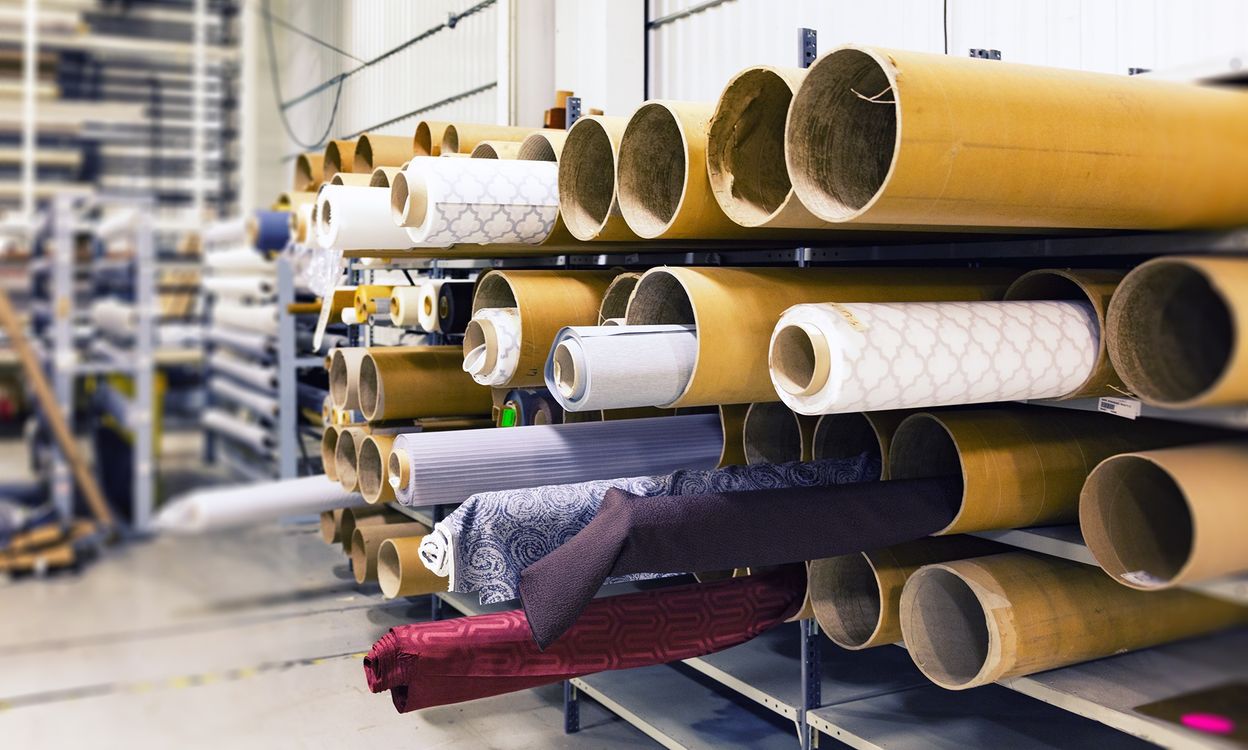
Fabric is the single largest expense in any garment, typically accounting for 50 to 60 percent of the total manufacturing cost. The type of fabric you choose has a direct and dramatic impact on your unit price. A basic cotton jersey might cost $3 to $4 per yard, while a premium organic French terry or a performance knit with moisture-wicking properties can run $8 to $12 per yard or more.
Beyond the yardage cost, you also pay for fabric waste, which factories factor into their pricing. Knit fabrics generally waste 3 to 5 percent, while woven fabrics can waste 8 to 15 percent depending on the pattern layout. Complex pattern pieces, stripes that need matching, or plaids that require alignment all increase fabric consumption and waste.
Trims and findings make up another 10 to 15 percent of the cost. This includes thread, zippers, buttons, snaps, labels, hang tags, elastic, drawstrings, and care labels. A basic polyester thread spool costs pennies, but a YKK-branded zipper with custom teeth adds real cost. If your garment requires branded buttons, custom-printed care labels, or recycled polyester thread, those line items add up quickly.
Labor Costs: Cutting, Sewing, and Finishing
Labor is typically the second largest cost component, ranging from 20 to 30 percent of the total. The exact percentage depends heavily on where your factory is located. Chinese garment factories have seen labor costs rise steadily over the past decade, while factories in Bangladesh, Vietnam, and Cambodia offer lower hourly rates but may have different efficiency levels.
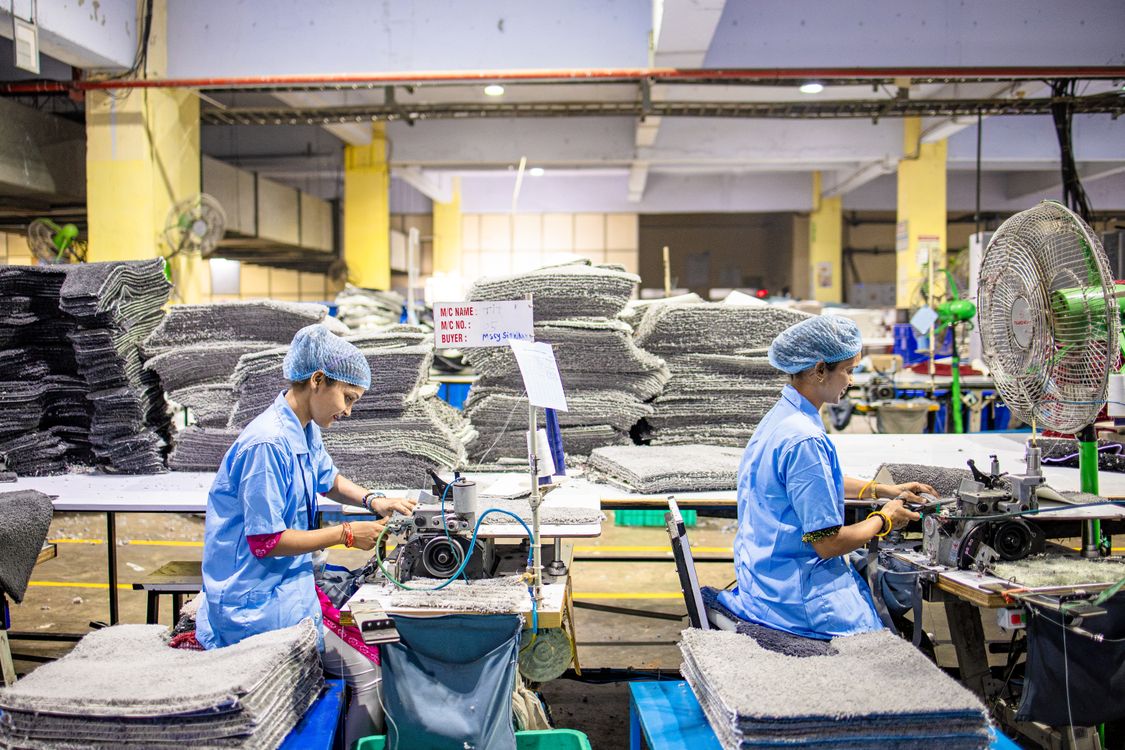
The labor rate is not a single number. It covers multiple stages: spreading and cutting the fabric, sewing the panels together, attaching trims, pressing, finishing, and final inspection. Each stage requires different skill levels. Pattern graders and sample makers command higher pay than general sewing operators, and piece-rate workers are paid per completed operation rather than per hour.
Garment complexity is the biggest variable here. A simple t-shirt with straight seams and no pockets might require 5 to 7 operations and take 15 minutes to sew. A lined jacket with zippers, pockets, elastic cuffs, and a hood can require 50 or more operations and take over an hour. Every additional seam, pocket, pleat, or buttonhole adds labor minutes, and labor minutes convert directly into cost.
Overhead, Markup, and Hidden Costs
Beyond materials and labor, factories include overhead expenses in their pricing. Factory overhead covers rent or mortgage on the facility, electricity, water, machinery maintenance, depreciation on sewing and cutting equipment, quality control staff salaries, factory management, and administrative costs. These overheads typically add 10 to 15 percent to the unit price.
Factories also apply a profit margin, usually between 8 and 15 percent depending on the order volume and relationship. A factory running at full capacity with large repeat orders might charge a smaller markup. A factory taking on a small first-time order with custom requirements will need a higher margin to justify the setup work.
There are also costs that new brand owners often overlook. Sample development fees range from $50 for a basic block pattern to $300 or more for a complex garment with multiple fittings. Pattern grading for a full size run can add $100 to $400. If your tech pack is incomplete or unclear, you may pay for multiple sample rounds, and each round eats into your total development budget.
How MOQ and Quantity Affect Unit Price
Minimum order quantity is not just a factory policy; it is a direct reflection of cost efficiency. When a factory sets up a production line for your order, there is a fixed cost involved: pattern grading, marker making, cutting table setup, thread and trim preparation, and machine configuration. These setup costs are spread across the total number of units produced.
If a factory charges $500 in setup costs and you order 100 units, that adds $5 per unit just in setup. If you order 500 units, the same $500 setup adds only $1 per unit. Fabric and trim suppliers also offer quantity discounts, so buying 500 yards of fabric costs significantly less per yard than buying 100 yards. The difference between a 100-piece order and a 500-piece order can be 20 to 40 percent lower per unit on the same garment.
This is why negotiating MOQ is often more impactful than negotiating the unit price. A lower MOQ locks you into a higher per-unit cost. If you can commit to a larger quantity or agree to a phased production schedule, the factory can price your order more competitively.
The Role of Quality Control in Cost
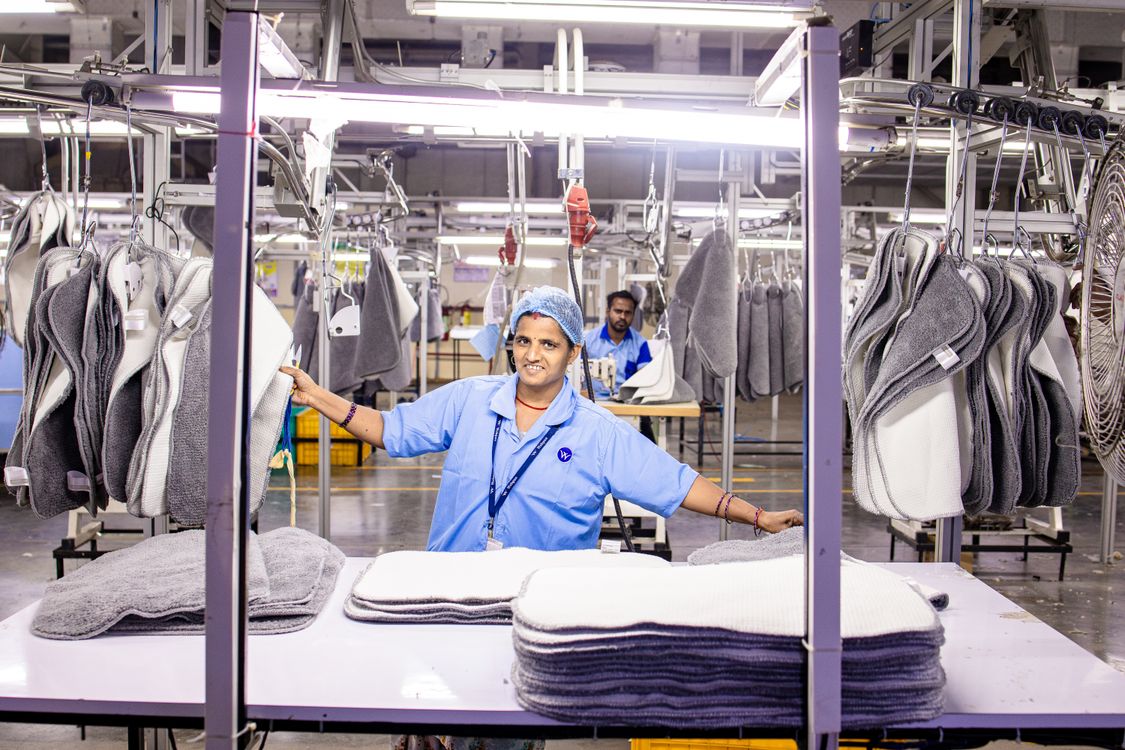
Quality control is not a cost center; it is a cost protector. Factories that invest in proper inspection processes during production catch defects early, when they cost pennies to fix. A loose thread caught at the sewing station is trimmed in seconds. A crooked seam caught at final inspection may require sending the garment back through the line or, worse, having to re-cut and re-sew a new piece.
Most reputable factories operate a four-point inspection system for fabric and an AQL (Acceptable Quality Limit) standard of 2.5 for finished garments. This means that out of a typical inspection sample, up to 2.5 percent of garments may have minor defects and still pass. If your brand requires a tighter standard, you need to communicate that upfront and factor in the additional inspection cost.
Third-party quality inspections before shipment add $200 to $500 per inspection depending on the scope, but for new brand owners working with an overseas factory for the first time, that cost is far cheaper than receiving a container of defective goods.
Practical Ways to Reduce Garment Production Costs
If you are looking to bring down your per-unit cost without sacrificing quality, start with fabric. Choosing a standard, readily available fabric instead of a custom-knit or specialty textile can reduce your material cost by 20 to 30 percent. Factories buy commodity fabrics like cotton jersey, fleece, and pique in bulk, and they pass those savings to you.
Simplify your design. Every pocket, dart, seam, button, and zipper adds labor time. Compare a basic pullover hoodie to a zip-up hoodie with hand pockets and an adjustable drawstring hood. The zip-up requires significantly more sewing operations, more trims, and more quality checkpoints. If cost is your priority, a minimalist design delivers the lowest unit price.
Consolidate your trims. Using the same thread color, the same zipper length, and the same button across multiple styles in your collection reduces the trim procurement workload and can unlock volume discounts. Standard sizes and colors are cheaper than custom Pantone-matched or oversized trims.
Finally, build a long-term relationship with your factory. Factories price new customers conservatively because they do not know your payment habits, your tech pack quality, or your tendency to make last-minute changes. After two or three smooth orders, you have real leverage to negotiate better pricing, especially if you are consistent with your order volumes and timelines.
Frequently Asked Questions
What is the most expensive part of clothing manufacturing?
Fabric is the most expensive component, typically accounting for 50 to 60 percent of the total garment cost. The fabric type, weight, and whether it requires custom dyeing or finishing all impact the final price you pay per unit.
How much does labor add to the cost of a garment?
Labor generally adds 20 to 30 percent to the total cost of garment manufacturing. The exact percentage depends on the factory location, the complexity of the garment, and how many sewing operations are required to complete each piece.
Can I reduce clothing manufacturing costs by ordering more units?
Yes, ordering larger quantities reduces the per-unit cost significantly. Setup costs are spread over more units, fabric and trim suppliers offer quantity discounts, and production lines run more efficiently with longer runs, often reducing the unit price by 20 to 40 percent compared to small orders.
What hidden costs should I expect when working with a clothing factory?
Beyond the quoted unit price, expect costs for sample development, pattern grading, tech pack revisions, third-party quality inspections, shipping and customs clearance, and any special packaging or labeling requests. Always ask your factory for a full cost breakdown before signing a contract.
How does garment complexity affect the clothing cost breakdown?
More complex garments require more sewing operations, more trims, more fabric waste, and more quality checkpoints. A simple t-shirt may require 5 to 7 operations, while a lined zip-up jacket can require 50 or more, directly increasing both labor and material costs in the breakdown.
Understanding how factories price garments puts you in control of your sourcing decisions. When you know that fabric drives half the cost, that labor varies by complexity, and that MOQ directly impacts per-unit pricing, you stop guessing and start negotiating from a position of knowledge. For a detailed quote on your next production run tailored to your specific garment specifications, contact PRP Apparel directly.
Related Reading
- Air Freight vs Sea Freight: How Apparel Brands Choose the Right Shipping Route
- Custom Labels and Packaging: The Details That Define Your Brand
- DDP Shipping for Apparel Brands: The Complete Guide to Delivered Duty Paid
Related Manufacturing Services
Ready to Start Your Clothing Project?
- MOQ from 50 pieces per style
- OEM and private label production
- Sample development support
- Fabric sourcing
- Quality inspection before shipment
- Worldwide shipping support