
A streetwear founder in Los Angeles sent us three samples last spring, all cut from a different oversized t-shirt manufacturer’s same spec sheet: 240gsm cotton, same drop-shoulder pattern, same size chart. One shirt fit boxy and long exactly as designed. The other two came back narrow through the chest and nearly two inches shorter than the tech pack called for. That drift between sample and bulk run is the complaint we hear most often from brands vetting a new factory — the first piece looks right, then proportions shift once cutting tables get busy and quality control gets rushed.
What “Oversized” Actually Means in Production
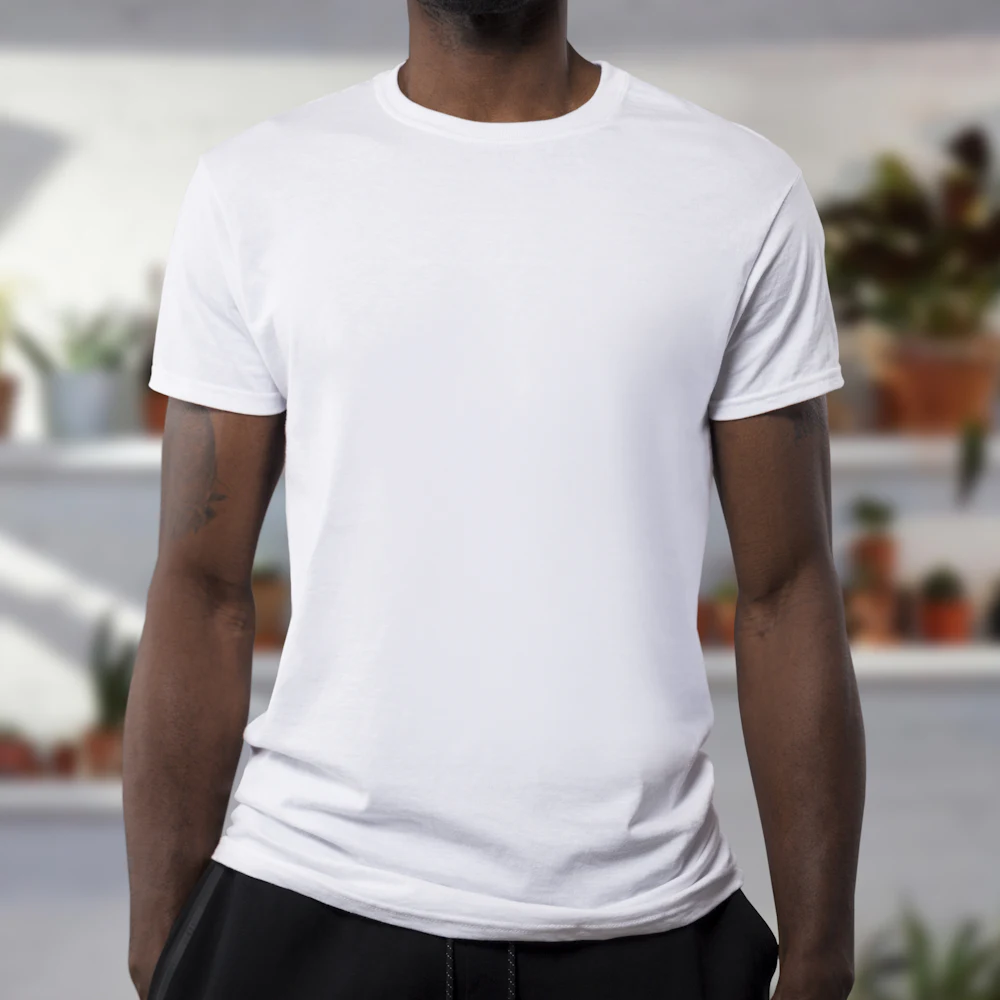
Ordering a size up on an existing block is not the same as building an oversized pattern. A true oversized tee starts from a separate grading base: the shoulder seam drops 2-4cm past the natural shoulder point, the chest gets 8-12cm of extra ease over a standard fit, and the body length runs 5-8cm longer than a regular block so the hem sits at the hip rather than the waist. Sleeve openings widen to match the dropped shoulder, and the hem often squares off instead of curving, which is what gives the silhouette its boxy shape rather than just looking baggy.
Factories that skip this step and simply grade up an existing fitted pattern end up with shirts that look oversized on a hanger but hang wrong on a body — shoulders bunch, sleeves sit too high, and the drape reads sloppy instead of intentional. Reviewing a fabric weight and GSM guide alongside the pattern block before sampling catches most of this before it becomes a bulk-order problem.
Oversized Fit Versus Standard Fit: What Changes on the Production Side
A standard fit tee uses roughly 0.9-1.1 meters of fabric per unit depending on size; an oversized block with the extra chest ease and body length pushes that to 1.2-1.4 meters, which is the main reason oversized tees cost 10-20% more per piece than a standard fit cut from the same fabric. Grading also takes longer at the pattern stage, since each size still needs to preserve the drop-shoulder ratio rather than just scaling a standard block up or down. Factories quoting an oversized tee at the same price as a standard fit are usually cutting corners somewhere — either thinner fabric, a lighter rib, or skipped shoulder taping.
Fabric Weight and Knit Construction for Oversized Tees
GSM Ranges That Hold Shape
Lightweight 180gsm jersey drapes well and suits summer-weight oversized tees but can look thin once the extra body length adds visible movement. Mid-weight 220-240gsm combed cotton is the range most streetwear brands land on — heavy enough to hold a boxy shape without stiffness. Above 260gsm, fabric shifts into French terry or heavyweight jersey territory, common for drop pieces that need a structured, almost sweatshirt-like hand feel.
Cotton, Cotton-Poly, and Why Blend Ratio Changes Fit
100% ring-spun combed cotton gives the softest hand and the print surface graphic brands want, but untreated cotton can relax-shrink 5-7% after the first few washes if it was not compacted or sanforized at the mill. A 95/5 cotton-spandex blend adds just enough recovery to keep the drop shoulder from stretching out of shape after repeated wear, while a poly-cotton blend resists shrinkage almost entirely but changes the print take-up and the soft-wash finish brands usually want on an oversized silhouette.
Pattern and Construction Details That Separate Good Factories From Bad Ones
Shoulder Taping and Seam Reinforcement
Because the dropped shoulder seam carries more stress than a standard set-in sleeve, factories that skip twill tape reinforcement at the shoulder seam see stretch-out and puckering within a handful of washes. This is a two-minute operation per garment and one of the first things worth asking a factory about directly.
Tubular Versus Side-Seamed Construction
Tubular knit construction (no side seam) is cheaper and gives a cleaner look for basic tees, but it limits how much the factory can taper the hem or add a curved shape. Side-seamed construction costs slightly more per piece but gives pattern makers control over hem curve and body shape — usually the better call for a genuinely boxy oversized cut rather than just a wider tube.
Collar and Rib Specifications
A 1×1 rib collar with roughly 95% stretch recovery keeps the neckline from sagging on a heavier fabric. Cheaper factories substitute a lighter rib or skip the recovery spec entirely, which is invisible in a single sample but shows up after the fifth wash in a customer’s hands.
Verifying Quality Before You Commit to a Bulk Run
Every pre-production sample should go through a documented wash test before bulk cutting starts — three home washes against the AATCC 135 dimensional-stability method, with shrinkage tolerance held under 5% in both length and width. Ask for the actual test data, not just a verbal confirmation. Fabric strength and mass verification should reference recognized ISO textile testing standards rather than a factory’s internal spec sheet alone, and any printed ink or dye used on the fabric should carry OEKO-TEX Standard 100 certification so buyers importing into the EU or North America are not caught off guard by a chemical compliance question after the order ships.
Beyond lab tests, a factory running proper inline quality control checks cut panels before they hit the sewing line, not just finished garments at the end. Pairing that with a pre-shipment AQL 2.5 inspection catches sizing drift — the exact problem the Los Angeles founder ran into — before it reaches a warehouse. A full garment quality control process should cover both stages, not one or the other.
Screen Print, Puff, and DTF on an Oversized Canvas
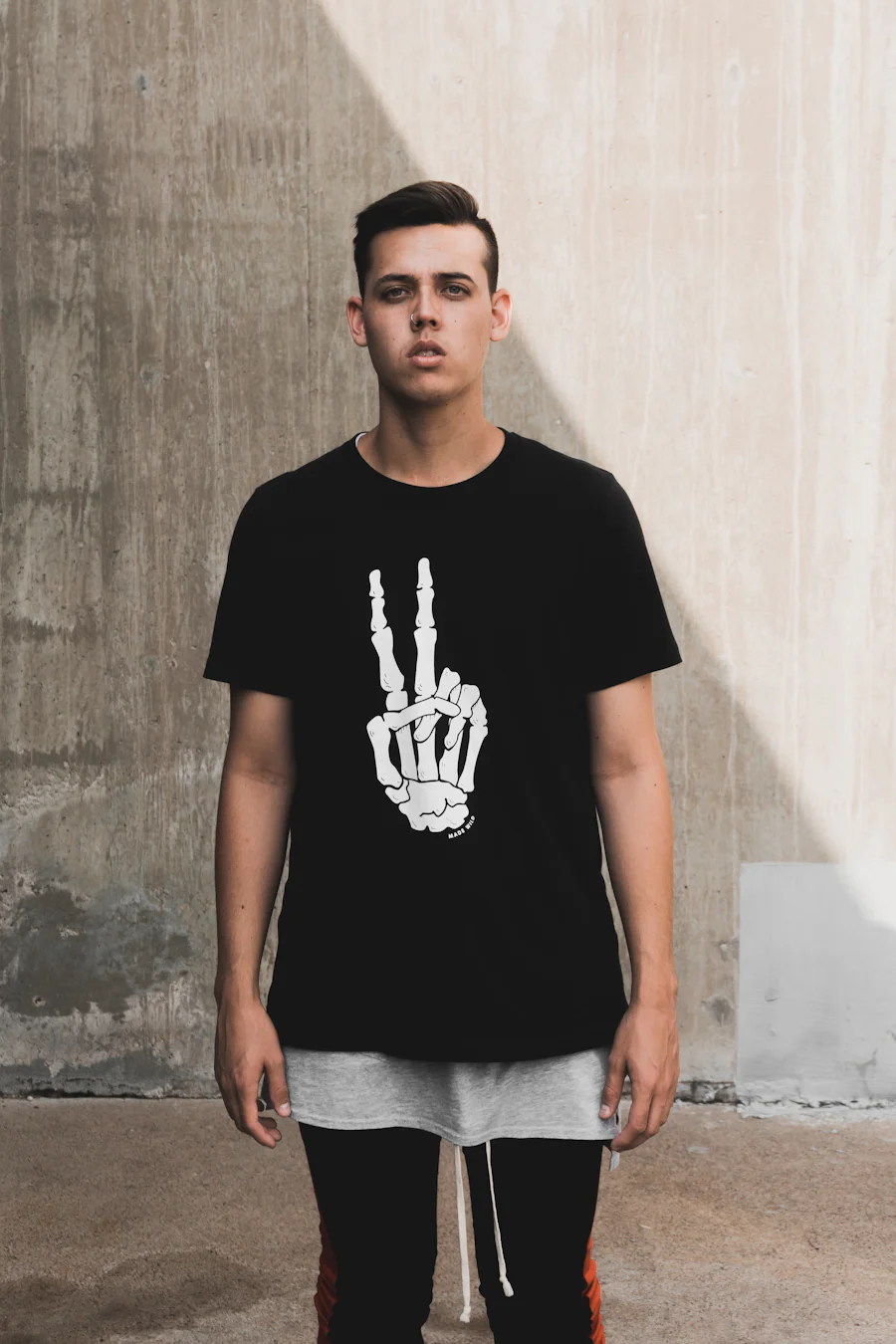
The extra body length and chest width on an oversized tee gives graphic brands a bigger print area, but not every decoration method scales the same way. Screen print stays the most cost-effective option for large front or back placements above roughly 12×16 inches and holds up best over repeated washes. Puff print adds texture and reads well on oversized silhouettes but adds $0.50-$1.20 per piece and needs a slightly lower cure temperature to avoid scorching heavier 240gsm-plus fabric. DTF (direct-to-film) print handles small-run multicolor designs well and works on blended fabrics where screen print adhesion is weaker, but per-unit cost stays higher than screen print past a few hundred pieces, so it suits sample runs and limited drops better than a full bulk order.
Working With a Factory in Dongguan
PRP Apparel runs oversized tee production out of Dongguan with in-house cutting, sewing, and printing under one roof, which is what lets cut panels get checked before they reach a sewing line rather than after. MOQ starts at 50 pieces per style and colorway, pre-production samples complete within 12-15 days of order confirmation, and bulk production runs 35-45 days from approved sample to shipped bulk. FOB pricing typically lands between $8 and $14 per piece depending on GSM, blend, and decoration method. Brands negotiating MOQ for the first time should also look at how MOQ negotiation works across multiple styles in one order, since combining colorways against a single fabric booking often brings a lower per-piece rate than ordering one style alone.
Oversized T-Shirt Production at a Glance
| Spec | Typical Range |
|---|---|
| Fabric weight | 180-260gsm combed cotton or cotton-spandex |
| Drop shoulder offset | 2-4cm past natural shoulder point |
| Body length extension | 5-8cm longer than standard fit block |
| Shrinkage tolerance | Under 5% after 3 washes (AATCC 135) |
| MOQ | 50 pieces per style/colorway |
| Sample lead time | 12-15 days from order confirmation |
| Bulk production lead time | 35-45 days from approved sample |
| FOB price range | $8-$14 per piece |
Brands building a full drop rather than a single tee should also look at how an oversized hoodie manufacturer handles the same drop-shoulder construction in heavier fleece, since matching the tee and hoodie proportions across a collection keeps the line looking cohesive rather than like two separate size systems. For brands sourcing specifically for the urban and streetwear market, a streetwear manufacturer in China that already runs oversized blocks day to day will move through sampling faster than a general-line factory building the pattern from scratch.
Frequently Asked Questions
What GSM is best for an oversized t-shirt?
220-240gsm combed cotton is the most common range for streetwear-style oversized tees. It holds the boxy shape without the stiffness of heavier French terry, and it prints cleanly for both screen print and puff designs.
Can I order from an oversized t-shirt manufacturer at a low MOQ under 100 pieces?
Yes. PRP Apparel and most Dongguan-based factories set MOQ at 50 pieces per style and colorway, which covers a single drop or a small test run without committing to a full production quantity upfront.
How much does an oversized t-shirt cost to manufacture?
FOB pricing typically runs $8-$14 per piece depending on fabric GSM, blend, and decoration method. Puff print and multicolor DTF designs push costs toward the higher end of that range; simple one-color screen print stays closer to the lower end.
Does 100% cotton shrink more than a cotton blend in an oversized fit?
Untreated 100% cotton can relax-shrink 5-7% after the first few washes if it has not been compacted or sanforized. A 95/5 cotton-spandex blend holds its shape better and resists the stretch-out that heavier oversized shoulders are prone to over time.
Brands ready to move from spec sheet to sample can reach the PRP Apparel team directly through the contact page with fabric weight, print method, and target MOQ to get a quote turned around within a day.
Related Reading
- Women’s Fitted T-Shirt Manufacturer: Construction and Grading Guide
- Longline and Ringer Tee Manufacturer
- Crop Top Manufacturer
- Oversized Hoodie Manufacturer: The Ultimate Guide for Fashion Brands
- Streetwear Manufacturer China: A Production Guide for Urban Apparel Brands
- Fabric Types and GSM: What Clothing Brands Need to Know When Selecting Materials for Manufacturing
Related Manufacturing Services
Products We Manufacture
Ready to Start Your Clothing Project?
- MOQ from 50 pieces per style
- OEM and private label production
- Sample development support
- Fabric sourcing
- Quality inspection before shipment
- Worldwide shipping support