
A menswear founder in Melbourne spent six weeks emailing five different factories in Guangzhou before she got a straight answer on pique weight. Three quoted “200gsm” and shipped 180gsm samples that felt thin against the reference garment she’d mailed them. The other two never sent a spec sheet at all, just a price. She needed a polo shirt manufacturer who would commit to a fabric weight in writing before she’d risk a 50-piece deposit on a style meant to anchor her first collection.
That gap between what a factory says and what a factory ships is the main risk in polo shirt sourcing. A polo looks simple next to a technical jacket or a compression legging, but the collar, placket, and knit construction hide more variables than a basic crew-neck tee, and those variables are exactly where corners get cut.
What Makes Polo Shirt Manufacturing Different From a Basic Tee
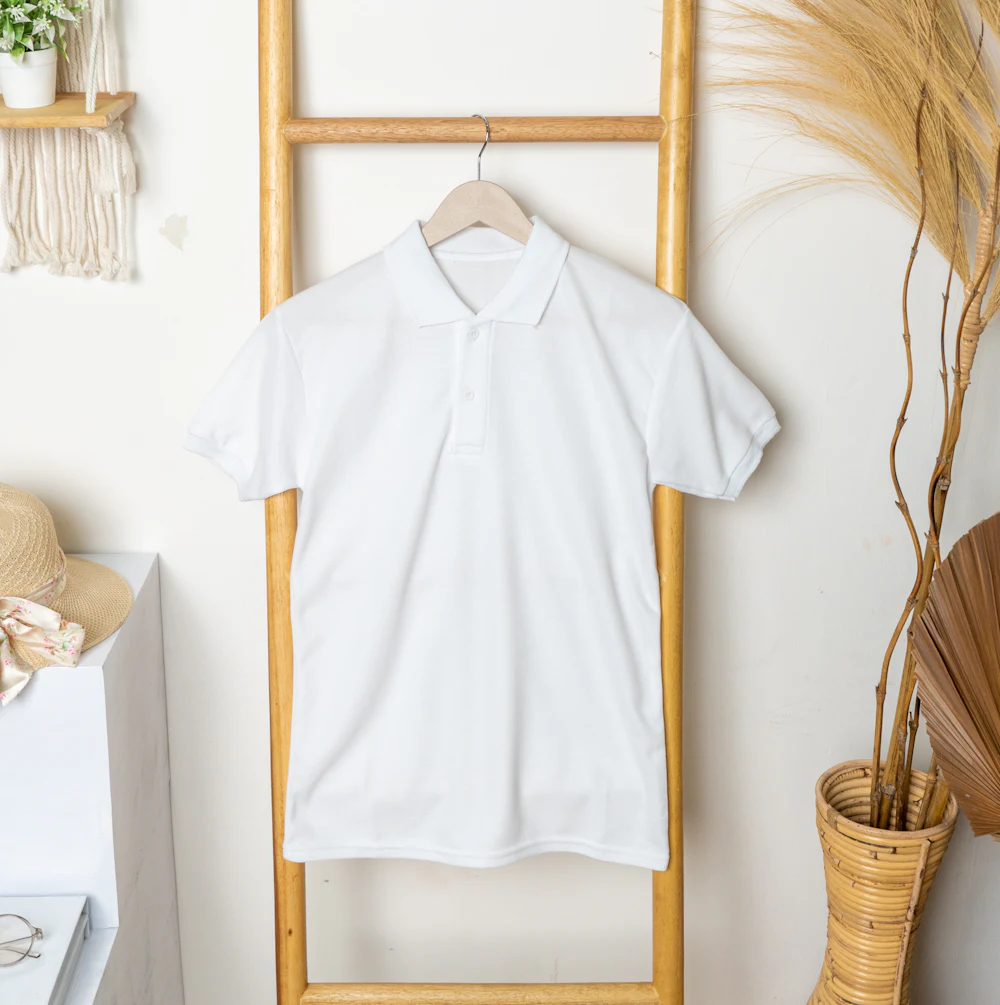
A polo shirt is a knit garment, not a woven one, but it borrows construction details from woven shirting: a folded collar, a button placket, and side vents at the hem. Getting those three details right is what separates a polo that holds its shape after twenty washes from one that curls at the collar by wash five.
The base fabric is pique knit, not the smooth jersey knit used for a standard tee. Pique’s textured, waffle-like weave holds its shape better under tension at the shoulders and traps less body heat against the skin, which is why it became the standard for the category in the first place. A factory substituting plain jersey knit for pique to save on fabric cost will produce a shirt that looks close to right on a hanger and feels wrong on a body within one wear.
Pique Knit Weight and Construction
Pique knit for polo shirts typically runs 180-220gsm. Below 180gsm, the fabric drapes too soft to hold the collar’s shape without a stiffer interlining. Above 220gsm, the shirt starts to feel more like a rugby shirt than a standard polo, which matters if the design brief calls for a lighter, more tailored fit. Cotton pique is standard; a cotton-spandex blend (95/5 or 97/3) adds recovery so the collar and cuffs resist stretching out after repeated wear, which matters more on a polo than on a basic tee because the collar carries constant friction against the neck.
Collar and Placket Construction
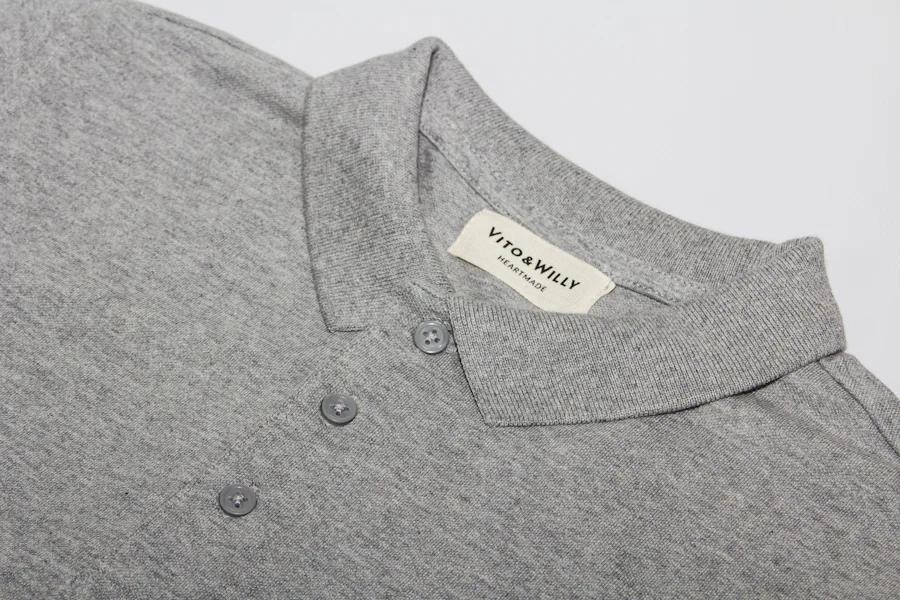
The collar itself is usually a self-fabric knit collar reinforced with a lightweight interlining strip, not a woven fabric collar sewn on separately — a woven collar on a knit body is a common shortcut that looks fine in a sample photo but puckers after the first wash because the two fabrics shrink at different rates. The placket runs 2-3 buttons standard, with a woven placket facing stitched flat against the knit body. Ask specifically whether the placket is reinforced with a fusible interlining strip behind the buttonholes — without it, repeated buttoning stretches the knit fabric around the buttonhole within a few months of regular wear.
Side Vents and Hem Finishing
Side vents at the hem let the shirt sit properly untucked, which matters for the casual and business-casual positioning most polo brands target. A factory skipping the vents to save two operations per garment produces a shirt that rides up and bunches at the hip when the wearer moves.
Verifying a Factory’s Polo Shirt Claims Before You Commit
Request a cut sample of the actual pique fabric, not a swatch card, and weigh it. A kitchen scale accurate to a gram is enough to catch a factory quoting 200gsm and shipping 170gsm. Ask for the GSM test method used — ISO 3801, the standard for determining fabric mass per unit area, is the reference most legitimate mills cite, and a factory that has never heard of it is likely eyeballing weight rather than testing it.
Check the collar and cuff rib recovery by stretching a swatch by hand and watching how quickly it returns to shape. A blend with real spandex content recovers within a second or two; a factory substituting cheaper rib knit without spandex will show visible slack in the stretched area.
Run a wash test on the pre-production sample before approving bulk cutting: three home washes, checking specifically for collar curl, shrinkage beyond 5% in length or width, and colorfastness if the polo uses a dyed pique rather than a printed design. A factory that resists sending a washed sample, not just an unwashed one, is a factory hiding a problem.
Dye and Chemical Safety Documentation
A dyed pique polo carries more chemical-processing steps than a printed graphic tee — the yarn or piece-dyeing stage uses reactive dyes that need proper fixing and washing-off to avoid residual chemical content in the finished garment. Request OEKO-TEX Standard 100 certification for the specific fabric batch, not just a general claim that the factory “works with OEKO-TEX fabric,” since certification is issued per fabric lot rather than per factory. Brands selling into the EU should treat this as a pre-shipment requirement, not a nice-to-have, given tightening restricted-substance enforcement on imported textiles.
Embroidery Versus Screen Print for Polo Branding
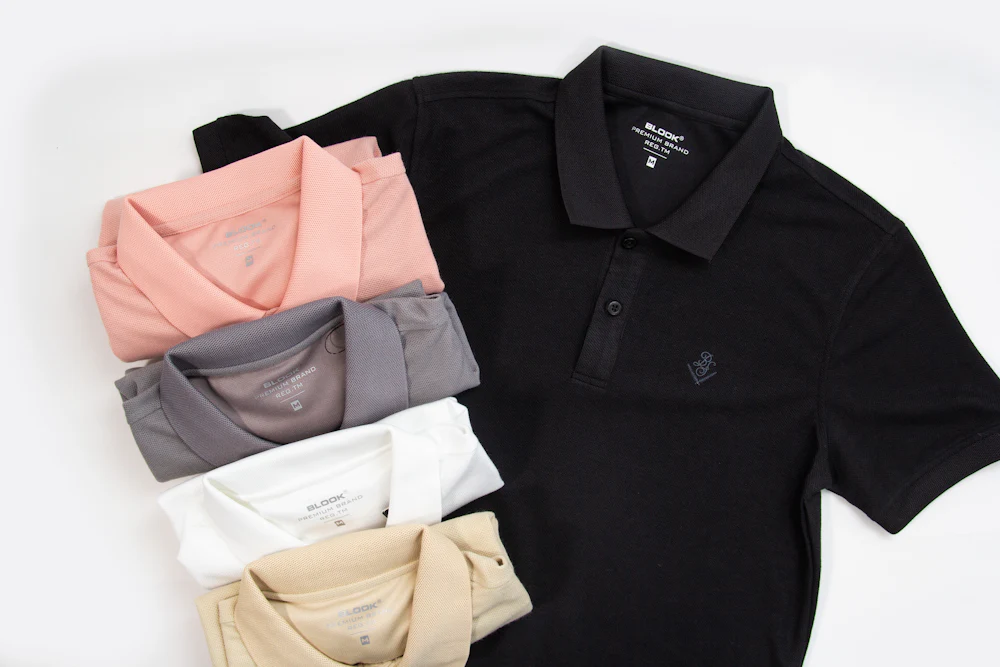
Embroidery is the standard decoration method for polo shirts because pique’s textured surface holds embroidery stitching more securely than it holds screen print ink, which can crack along the raised waffle texture after repeated washing. A left-chest embroidered logo runs a one-time digitizing fee (typically $15-$40 depending on design complexity) plus a per-unit stitching cost that scales with stitch count — a simple wordmark logo costs less than a detailed multi-color emblem. Screen print remains viable for larger back-panel graphics or lower-budget runs, but expect a shorter print lifespan on the textured pique surface compared to a smooth jersey tee.
Working With PRP Apparel on a Polo Shirt Order
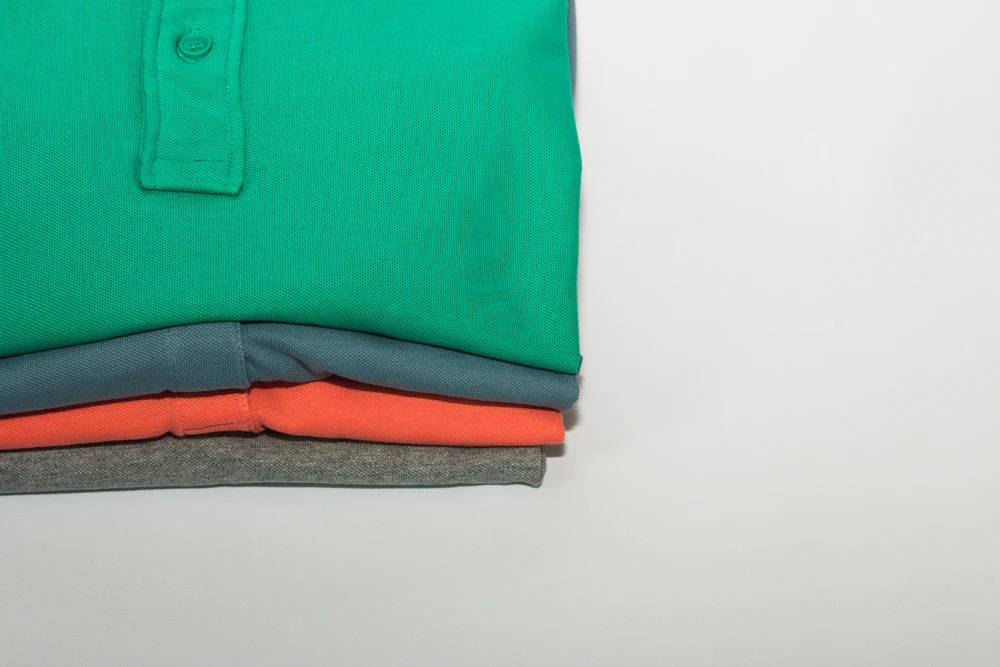
PRP Apparel produces polo shirts through the same cut-and-sew knit-top capability used for the company’s t-shirt and streetwear lines, with collar, placket, and rib-cuff assembly added as a standard construction step rather than a specialty add-on. MOQ starts at 50 pieces per style and colorway. Sample lead time runs 12-15 days from order confirmation, and bulk production takes 35-45 days from approved sample to shipped order, in line with the standard production timeline across PRP Apparel’s product lines. Embroidery digitizing and left-chest logo placement are available at the 50-piece MOQ without a separate minimum on the branding step. Brands weighing per-style pricing against a private label clothing manufacturing arrangement should factor in that embroidery setup costs amortize better across larger single-style runs than across many small colorway splits.
Polo Shirt Manufacturing at a Glance
| Spec | Typical Range |
|---|---|
| Fabric | Cotton or cotton-spandex (95/5) pique knit |
| Fabric weight | 180-220gsm |
| Collar construction | Self-fabric knit collar, fusible interlining reinforced |
| Placket | 2-3 button, woven facing, interlining behind buttonholes |
| MOQ | 50 pieces per style/colorway |
| Sample lead time | 12-15 days from order confirmation |
| Bulk production lead time | 35-45 days from approved sample |
| Decoration | Embroidery standard; screen print viable for larger graphics |
For brands also sourcing other knit categories in the same order, a cut and sew manufacturer that already runs pique construction day to day will move through polo sampling faster than a factory building the collar-and-placket pattern from scratch for the first time. Getting the fabric types and GSM specification right before sampling avoids the exact problem the Melbourne founder ran into. A documented garment quality control process should cover the wash test and collar-recovery checks described above at both the pre-production and pre-shipment stages.
Frequently Asked Questions
What GSM should a polo shirt be?
180-220gsm pique knit is the standard range. Below 180gsm the collar loses shape without added interlining; above 220gsm the shirt starts to feel heavier than a typical business-casual polo.
Can I order a custom polo shirt at a low MOQ?
Yes. PRP Apparel sets MOQ at 50 pieces per style and colorway, the same structure used across its t-shirt and streetwear lines, and brands should understand how to negotiate MOQ with clothing manufacturers when combining multiple colorways in one order.
Is embroidery or screen print better for polo shirt branding?
Embroidery holds up better on pique’s textured surface and is the standard for polo branding. Screen print works for larger back-panel graphics but tends to crack faster on the raised knit texture than it would on a smooth jersey tee.
How do I know if a factory is lying about pique fabric weight?
Request an actual fabric cut sample, not a swatch card, and weigh it on a gram-accurate scale against the GSM the factory quoted. Ask which test method they used to verify weight — ISO 3801 is the standard reference for fabric mass per unit area.
Brands ready to move from spec sheet to sample can reach the PRP Apparel team through the contact page with pique weight, collar construction preference, and target MOQ to get a quote back within a day.
Related Reading
- School Uniform Manufacturer
- Women’s Fitted T-Shirt Manufacturer: Construction and Grading Guide
- Longline and Ringer Tee Manufacturer
- Crop Top Manufacturer: OEM & Private Label Guide
- Cut and Sew Manufacturer: How to Find One and What to Prepare Before You Order
- Fabric Types and GSM: What Clothing Brands Need to Know When Selecting Materials for Manufacturing
- Garment Quality Control: A Practical Guide for B2B Clothing Brands Sourcing From China
Related Manufacturing Services
Products We Manufacture
Ready to Start Your Clothing Project?
- MOQ from 50 pieces per style
- OEM and private label production
- Sample development support
- Fabric sourcing
- Quality inspection before shipment
- Worldwide shipping support