
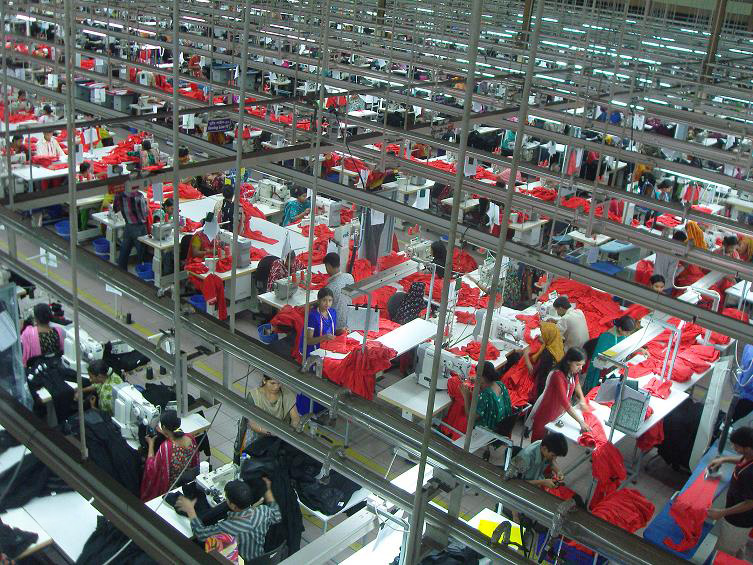
Ordering custom hoodies sounds straightforward on paper. You pick a color, slap your logo on it, and wait for the shipment to arrive. But behind every successful hoodie line is a manufacturing process that most brands only discover after something goes wrong—late deliveries, fabric that pills after three washes, or screen prints that crack before the season ends.
Understanding how hoodie manufacturing actually works gives you a massive advantage as a brand owner. It means you can have smarter conversations with your factory, spot quality problems before they become expensive mistakes, and ultimately deliver a product your customers actually want to keep.
Why Fabric Choice Makes or Breaks Your Hoodie Line
The single biggest decision in hoodie manufacturing is fabric. Not your logo. Not your hang tags. Fabric. It determines how the hoodie feels, how long it lasts, and whether your customer comes back for more or leaves a scathing review.
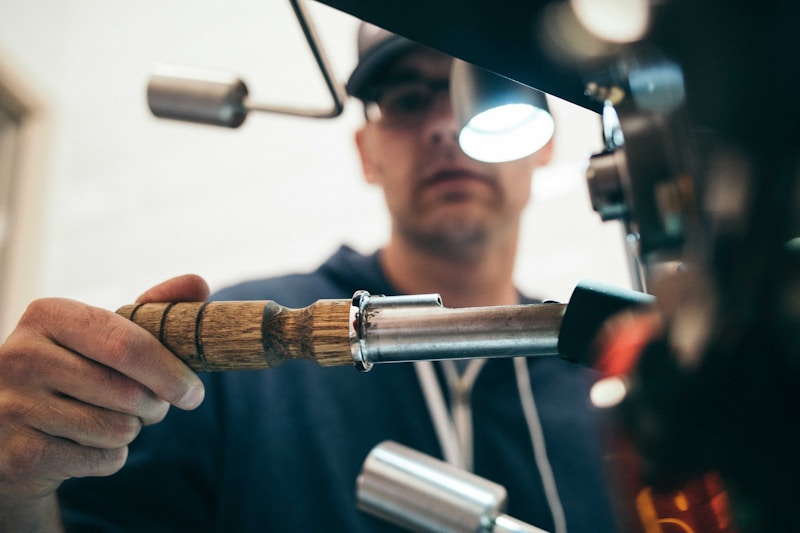
Most performance hoodies use some combination of cotton, polyester, and elastane (also called spandex or Lycra). Cotton-polyester blends—typically 80/20 or 70/30—give you softness with added durability and wrinkle resistance. A 300 GSM French terry fleece with an 80/20 cotton-polyester ratio is the industry standard for premium everyday hoodies: heavy enough to feel substantial, light enough to wear year-round.
If your brand focuses on athletic or outdoor use, polyester-based fleece or a bonded softshell construction makes more sense. Polyester wicks moisture away from the body and dries faster than cotton. Adding 5–10% elastane gives the fabric stretch and recovery—so the hoodie keeps its shape wash after wash. Some factories offer recycled polyester (rPET), which carries a premium but resonates strongly with sustainability-focused customers.
GSM matters enormously in hoodie manufacturing. GSM (grams per square meter) measures fabric weight and density. Lightweight fleece runs 200–250 GSM—comfortable for layering, but it pills faster. Midweight sits at 250–350 GSM and covers most use cases. Heavyweight fleece at 350–450 GSM produces that thick, premium feel streetwear brands charge $120+ for, but it requires more material and more sewing steps, which drives up your per-unit cost.
Hoodie Construction: The Details Most Brands Overlook
A hoodie is deceptively complex. You’re looking at a minimum of 12 pattern pieces—front body, back body, two sleeves, hood (usually two pieces), two pocket bags, pocket welt, cuffs, hem band, and drawstrings. Every seam is an opportunity for something to go wrong, and every factory makes different choices about how to handle them.
The hood itself deserves special attention. A poorly constructed hood will flop forward after one wear, making the hoodie unwearable. The hood pieces need to be cut with enough depth and width to sit properly on the shoulders, not bunch up around the neck. When reviewing samples, put the hoodie on and move your head through its full range of motion. If the hood pulls or falls forward, that’s a pattern problem—not something you can fix with a hang tag.
Kangaroo pockets are the most common hoodie pocket style, but the construction matters. A poorly sewn pocket bag will sag after a few wears. Reinforcement stitching at the corners and a stay-stitch along the top edge prevent this. Some factories cut corners by using lighter fabric for the pocket lining than the body—a detail that saves pennies per unit but destroys the pocket’s longevity.
Ribbing on the cuffs, hem, and hood edge should be cut from the same fabric family as the body for consistent color and shrinkage behavior. Mismatched ribbing—one batch from a different dye lot, for instance—creates a visible color shift that’s impossible to fix after production.
Decoration Methods: Screen Print, Embroidery, or Woven Labels?
How you decorate your hoodie communicates as much about your brand as the hoodie itself. Screen printing is the most common and cost-effective method for bold, flat-color designs. A well-executed screen print on a 300 GSM fleece sits flush with the fabric, flexes when the fabric stretches, and holds up through dozens of washes. The key variables are ink type (plastisol vs. water-based), mesh count, and whether the printer uses a flashing step between colors.
Embroidery gives your hoodie a premium feel but works best for smaller design areas—a logo on the chest or a patch on the sleeve. Dense, highly detailed logos don’t embroider well at small sizes; the stitches blur together. Budget 3–4 weeks extra lead time for embroidery setup and digitizing, and understand that thread color matching is less precise than Pantone-based screen printing.
Woven labels and inner tags are often treated as an afterthought, but they’re one of the first things a discerning customer notices. A cheap, scratchy tag can undermine an otherwise premium product. Many brands opt for care label integration (the required fiber content label) combined with a separate branded woven label sewn into the side seam or collar area.
Lead Times, MOQs, and What Actually Drives Delays
Standard lead time for custom hoodie manufacturing runs 4–6 weeks from sample approval to finished goods ready for export. Add 1–3 weeks if your order includes custom-dyed fabric or specialty yarn. Air freight versus sea freight adds another 1–3 weeks of transit time, depending on your destination market.
Minimum order quantities (MOQs) for hoodie manufacturing typically start at 100–200 units per colorway. Lower MOQs exist, but they come with a significant per-unit price premium—sometimes 40–60% higher than standard MOQ pricing. The reason is straightforward: a factory has to cut patterns, set up machines, and source fabric for every order regardless of quantity. The setup cost gets amortized across fewer units at lower quantities.
The most common causes of production delays in hoodie manufacturing aren’t factory-related—they’re communication failures. Waiting too long to approve samples, last-minute design changes after production has started, and unclear specifications on trim details (drawcord tips, zipper type, label placement) all cause expensive rework. Get every specification locked down in writing before the fabric is cut.
Quality Control: What to Inspect and How
Any reputable hoodie factory will conduct inline inspections during production and a final inspection before shipment. If your order is over 500 units, requesting a third-party inspection (through a service like QIMA, Bureau Veritas, or Asia Quality Focus) is money well spent—typically $250–$400 for a standard AQL 2.5 inspection.
For hoodies specifically, check these critical areas during inspection: seam strength at the shoulder joins and hood attachment points (these bear the most stress), color consistency across all sizes in the batch (shade variation is common in dyed fleece), and print adhesion if your design includes screen printing or transfers. A simple wash test—laundering a sample 5 times before bulk production begins—catches most print durability issues before they become returns.
Functional testing worth requesting: drawcord tensile strength (children’s hoodies have specific requirements in the US and EU), flame retardancy if you’re targeting workwear or uniform applications, and pilling resistance rating on the fleece (a Martindale rub test at 5,000 cycles is the standard benchmark for acceptable pilling performance).
Frequently Asked Questions
What is the standard MOQ for custom hoodie manufacturing?
Most factories set their hoodie MOQ at 100–200 units per color. Some manufacturers offer lower MOQs of 50 units for basic styles, but pricing becomes significantly more competitive at 200+ units per colorway. If you’re launching a new line, consider ordering one color in a full size run first, then adding colors in subsequent runs to manage inventory risk.
What GSM is best for everyday wearing hoodies?
A GSM of 280–350 is the sweet spot for everyday hoodies. At this weight, the fleece feels substantial and warm without being overly heavy. Heavyweight hoodies above 400 GSM are popular in streetwear but limit the garment’s versatility across seasons. Lighter weights below 250 GSM work better for layering or warm-climate markets but pill more quickly with heavy use.
How long does it take to manufacture custom hoodies from start to finish?
From tech pack approval to finished goods on your loading dock, plan for 6–10 weeks for a standard order. This breaks down to roughly 2–3 weeks for sample development and approval, 2–3 weeks for bulk production, and 1–4 weeks for shipping depending on whether you choose air or sea freight. Build in a 1–2 week buffer for unexpected delays, especially if you’re ordering during peak production seasons (September–December).
What decoration method lasts longest on hoodies?
Embroidery has the longest durability of common decoration methods, often lasting the full life of the garment with minimal maintenance. Screen printing using plastisol ink is the next most durable, particularly when the printer uses proper cure temperatures and the design isn’t subjected to heavy mechanical stress. Transfers and iron-on decorations have the shortest lifespan and can crack or peel after repeated washing.
Can I use recycled materials in my hoodie manufacturing order?
Yes, most established hoodie factories can produce garments using recycled cotton, recycled polyester (rPET), or a blend of both. Recycled polyester typically costs 10–20% more than virgin polyester and requires factory certification (GRS or RCS) to verify the recycled content chain. Recycled cotton is less consistent in fiber quality and usually requires blending with virgin cotton or polyester to maintain fabric integrity.
Related Reading
- Custom Hoodie Design: Step-by-Step Process for Fashion Startups
- Oversized Sweatshirts & Hoodies Manufacturer
- Streetwear Sourcing: Finding Manufacturers Who Actually Understand Urban Fashion
- Acid Wash Hoodies: The Ultimate Guide to Vintage-Inspired Streetwear
- Oversized Hoodies & Sweatshirts Manufacturing
Related Manufacturing Services
Products We Manufacture
Ready to Start Your Clothing Project?
- MOQ from 50 pieces per style
- OEM and private label production
- Sample development support
- Fabric sourcing
- Quality inspection before shipment
- Worldwide shipping support