
When you are ready to move from sampling to bulk production, the minimum order quantity (MOQ) conversation can make or break your sourcing strategy. Factory MOQs exist for legitimate reasons — setup costs, material waste, and efficiency thresholds — but that does not mean you are locked into whatever number lands on the table. Skilled buyers treat MOQ negotiation as a standard part of the procurement process, not a one-time obstacle.
This guide walks through how manufacturers set their MOQs, where you have room to negotiate, and what levers you can pull to bring quantities down without burning the relationship before production even starts.
Why Factories Set Minimum Order Quantities
Every factory has a cost floor below which producing a style loses money. That floor comes from three places. First, there is the cutting waste — when you cut one garment from a fabric lay, the leftover scrap has a cost that gets amortized across every unit. Smaller orders mean fewer units to spread that waste across. Second, there are machine setup costs: threading machines, adjusting stitch tension, calibrating overlock machines for a specific fabric weight. Those minutes add up whether you run 50 units or 5,000. Third, there is labor scheduling. A factory runs on production targets. A 50-unit order may require the same planning effort as a 500-unit order, which means the per-unit cost advantage comes from volume.
Understanding these mechanics is the first step toward negotiating effectively. Factories are not being arbitrary — they are protecting their margins. Your job is to propose terms that protect yours.
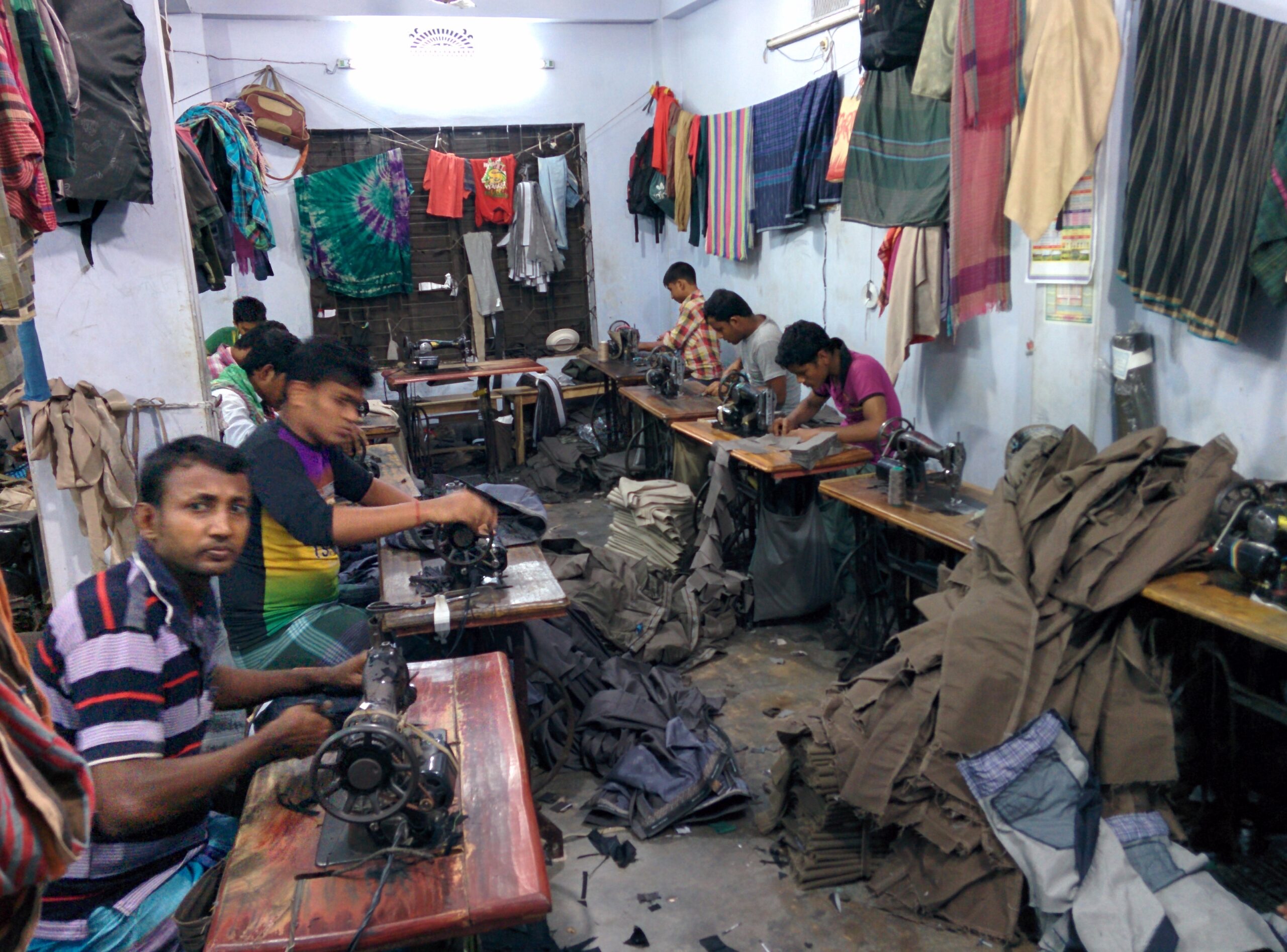
Where to Push: The Three Main Negotiation Levers
1. Style Consolidation
If you need 80 units of a style but the factory MOQ is 200, look at what else you can fit into that production run. Can you add a second colorway? A slightly modified version — different pocket style or collar shape — may still qualify as the same production run in the factory system. Consolidating styles lets you hit the MOQ while actually increasing your product variety. Many brands come out ahead by treating this as a feature of the negotiation, not a workaround.
2. Pricing as a MOQ Substitute
Some factories will accept orders below their standard MOQ if you accept a higher per-unit price. This is essentially paying a premium to avoid overstock risk. The math is straightforward: a factory might quote $8.50 per unit at 200 MOQ but $10.00 per unit at 100. Run the numbers on your carrying costs and margin before dismissing this approach. For a new brand testing market response, paying 15-20% more per unit to avoid a 2,000-unit commitment can be the correct decision.
3. Lead Time Flexibility
A factory with idle capacity may be willing to run a smaller order if you give them scheduling flexibility. Instead of demanding a four-week turnaround on 100 units, offer eight weeks. This lets the factory slot your work into a slower production window without disrupting their main scheduling. The tradeoff is yours to evaluate against your inventory planning cycle.
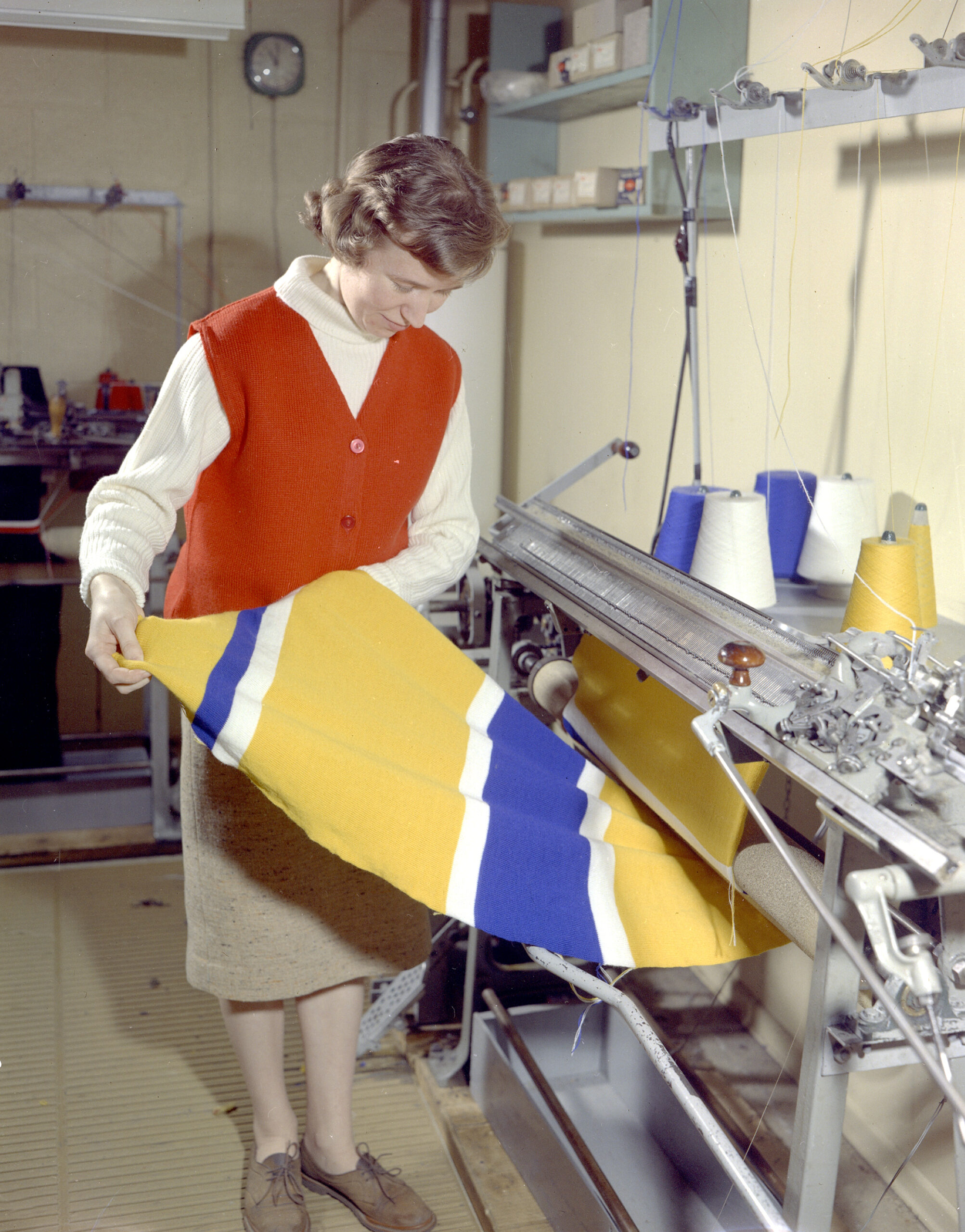
Building the Negotiation Framework
Before you start negotiating, do your homework. Know the going rate for your garment category — not just the factory quote, but what other factories are quoting for comparable work. If you have three competing quotes, you have leverage. Factories that know you are shopping around are more likely to move on MOQ than factories who believe they are your only option.
Approach the conversation with transparency about your volume trajectory. A factory that knows you are projecting 1,000 units within six months is more likely to accept a smaller initial order than one who sees you as a one-time buyer. Share your roadmap selectively. You do not need to reveal everything, but signaling growth potential changes the negotiation dynamic.
Document every agreed term in writing before sampling begins. MOQ commitments, pricing tiers, and lead time expectations should be in your purchase order or manufacturer agreement. Verbal agreements about MOQ flexibility tend to become arguments during production disputes.
Common MOQ Negotiation Mistakes
The biggest mistake is treating MOQ as a wall rather than a starting point. New buyers often either accept the first number or walk away entirely. Both responses leave value on the table. The third option — proposing alternatives — is where professional buyers operate.
Another frequent error is conflating MOQ with total order value. If the factory MOQ is 200 units at $9.50 per unit, your total commitment is $1,900. If that fits your budget, the MOQ is not the problem. The problem might be inventory risk, which is a separate conversation about how many units you actually need versus how many the factory requires.
Finally, do not negotiate MOQ and price simultaneously. Settle the MOQ first, then negotiate price. Mixing the two conversations leads to confusion about what you are actually comparing when you evaluate competing factories.
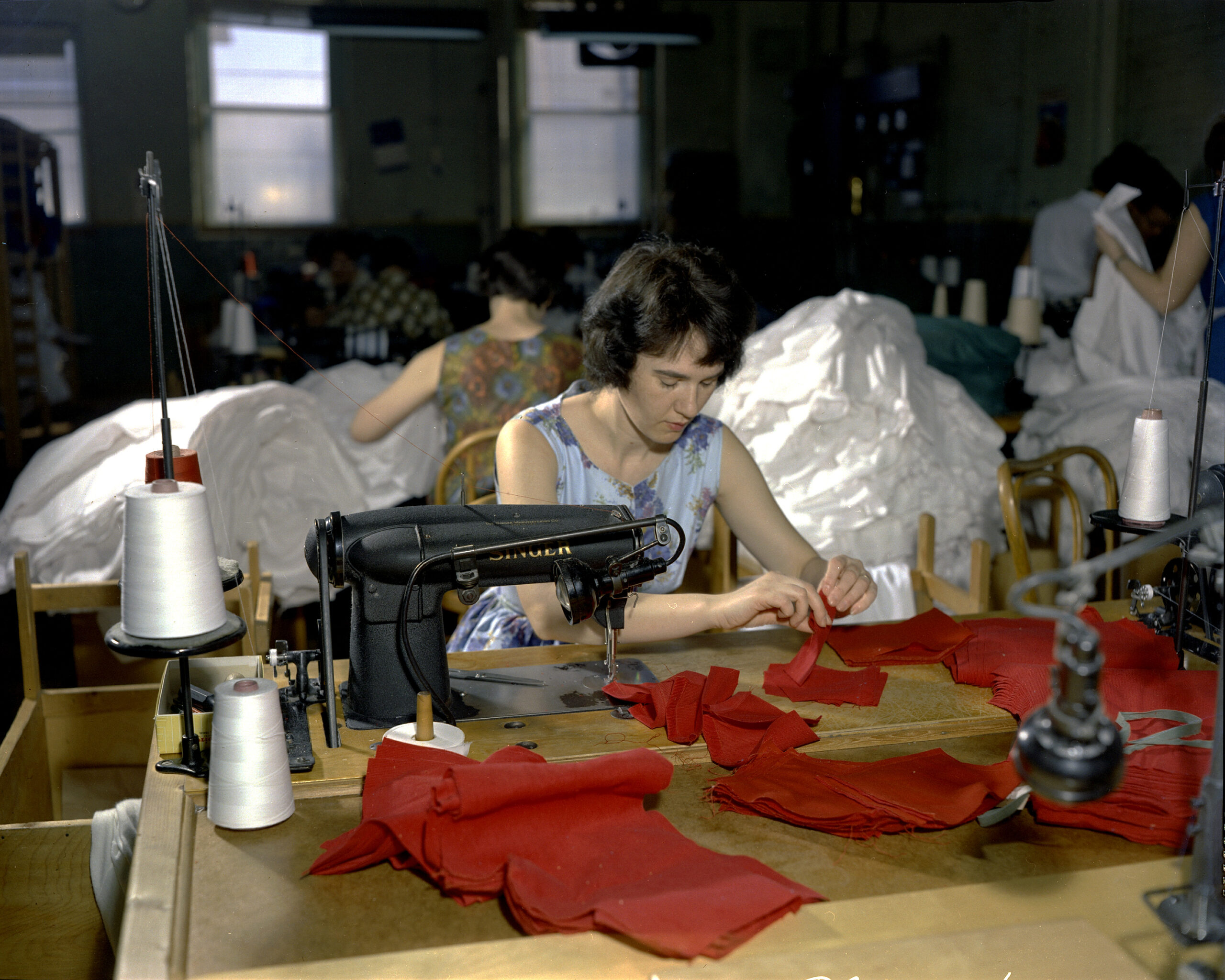
What a Reasonable MOQ Looks Like Across Garment Categories
MOQ expectations vary significantly by garment type. Basic T-shirts and tank tops from standard fabrics typically run 100-200 units per color. Outerwear and structured garments — jackets, coats, blazers — usually start at 100-300 units per style due to the additional material and labor complexity. Activewear and performance garments tend toward higher MOQs (200-500) because of the specialized sewing equipment and technical fabric handling required.
These ranges are benchmarks, not rules. A factory that has recently invested in new cutting equipment may have lower MOQs for specific categories. A factory running at full capacity may raise theirs. This is exactly why getting quotes from multiple manufacturers matters — you are not just comparing price, you are comparing flexibility.
When to Walk Away From an MOQ Negotiation
Not every negotiation should end in a deal. If a factory refuses to budge on MOQ and the required quantity exceeds your projected sell-through by more than 40%, the risk of dead inventory probably outweighs the unit cost savings. A $12,000 order that sits in your warehouse for eighteen months is more expensive than a $6,000 order that turns twice in the same period.
Walk away when the factory treats you with disrespect during negotiations, when they pressure you to commit before you have received and approved samples, or when the pricing structure suggests hidden costs that will surface later. A factory that is inflexible on MOQ before production has started is likely to be inflexible on quality issues during production.
Frequently Asked Questions
What is a typical MOQ for clothing manufacturing?
Most apparel factories set standard MOQs between 100 and 300 units per style, though this varies by garment type and factory location. Basic garments like T-shirts often have lower MOQs than structured items like jackets or outerwear.
Can I negotiate a lower MOQ with a clothing manufacturer?
Yes. MOQ negotiation is standard practice in the apparel industry. Factories may accept lower quantities in exchange for higher per-unit pricing, longer lead times, or style consolidation across your order.
What happens if my MOQ is lower than the factory minimum?
If your target quantity falls below the factory minimum, you have several options: negotiate a price premium for the lower quantity, consolidate styles to reach the MOQ, schedule production during a slower period, or find a factory with a lower minimum order requirement.
How does MOQ affect my clothing unit price?
Generally, smaller orders carry higher per-unit costs because fixed setup costs are spread across fewer garments. Increasing your order quantity typically reduces the per-unit price until you reach the factory optimum volume for that style.
Should I accept a higher MOQ to get a better price?
Only if the math works for your business. Calculate your total investment, expected sell-through rate, and carrying costs before accepting a larger order. Sometimes paying a higher per-unit price on a smaller order is better than tying up capital in slow-moving inventory.
The factories worth working with long-term are the ones who will negotiate with you before the order, not just apologize after something goes wrong. Approach MOQ conversations as a mutual problem-solving exercise, and you will find that the apparel manufacturing world is more flexible than the initial quote suggests.