
A tech pack is the bridge between your design vision and the factory floor. Without one, you leave everything to interpretation — and interpretation is where costly mistakes happen. This guide walks you through what goes into a solid tech pack, why it matters more than you think, and how to build one that factories can actually work from.
What Exactly Is a Tech Pack?
A tech pack — short for technical package — is a comprehensive document that tells a garment manufacturer everything they need to know to produce your design. It’s not a mood board. It’s not a sketch with some notes. It’s a working reference that covers construction details, measurements, materials, and quality standards all in one place.
Think of it this way: if you sent your design to five different factories without a tech pack, you’d likely get five different products. With a proper tech pack, the variation narrows significantly. The document forces you to make decisions upfront — decisions that would otherwise surface as expensive problems during production.
Core Sections Every Tech Pack Needs
1. Flat Sketches and Construction Views
Your tech pack starts with clean, professional flat sketches. A flat sketch — also called a spec drawing — shows the garment from the front, back, and side, with construction details visible. No models, no styling, no photography. Just the garment in a neutral, technical format.
Each sketch should include callouts for pockets, seam placements, collar types, cuff constructions, and any details that affect how the garment goes together. If you have a designer who created the original sketches, that’s your starting point. From there, you annotate every element that matters for production.
2. Measurement Specifications and Tolerances
This is where most brands lose control. Measurement specs aren’t just “chest: 22 inches.” You need to specify every key measurement — chest, waist, hip, shoulder width, sleeve length, body length, hem width — along with the acceptable tolerance range.
For example: “Chest width: 22 inches ± 0.5 inches.” That tolerance matters because garments are made by hand and by machines, and some variation is inevitable. If you don’t specify the tolerance, the factory defaults to whatever they consider reasonable, which may not match what you had in mind.
You also need to specify how measurements are taken — measured flat, measured on body, or measured stretched. A chest measured flat with the garment lying on a table will read differently than one measured on a person. Be explicit.
3. Fabric and Material Details
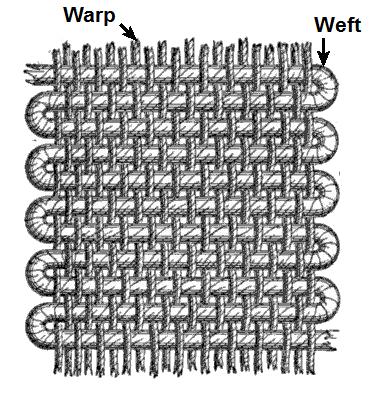
The fabric section is where many tech packs fall short. Simply writing “100% cotton” isn’t enough. You need to specify the fabric construction — weave type, weight, composition, and any functional finishes.
For each fabric used in the garment, document the following: fiber content (e.g., 92% cotton, 8% elastane), fabric weight (in GSM or oz/yd²), weave construction (plain, twill, jersey, interlock, etc.), fabric width, and any special treatments like enzyme washing, mercerizing, or water resistance.
If you’re using a specific fabric from a known supplier, include the supplier’s fabric code and attach a physical swatch or digital color standard. Color should be referenced to a Pantone number wherever possible — saying “navy blue” means different things to different people, but Pantone 532 C is unambiguous.
4. Trim and Component Specifications
Trims include everything from buttons and zippers to interlining and elastic. For each trim item, note the type, size, material, color, and supplier. If a button should be 14-line metal with a matte black finish, write that down. If the zipper should be YKK #5 invisible, name the brand and the style.
Packaging and labeling details also belong here — care label content, size labels, brand tags, and any polybag or folding instructions. These details often get overlooked but they directly affect your brand’s presentation at retail or unboxing experience for direct-to-consumer orders.
Creating a Tech Pack That Factories Can Use
The best tech packs are the ones a factory operator can work from without needing to ask you questions. That means clarity, completeness, and visual support. When you write “attach collar facing at center back,” include a diagram or annotation on the flat sketch showing exactly where and at what seam allowance.
Use a consistent template. Whether you build your tech pack in Adobe Illustrator, Excel, Google Sheets, or a specialized platform, consistency makes it easier for factories to extract the information they need. A tech pack that looks disorganized signals a brand that’s difficult to work with.
PP Sample and Fit Approval
A tech pack is not complete until you’ve approved a physical sample. The pre-production (PP) sample is your opportunity to verify that what was specified in the tech pack is what actually comes off the production line. If something doesn’t match — a measurement is off, a fabric behaves differently than expected, a trim looks wrong — you catch it before mass production begins.
Build fit sessions into your timeline. When the PP sample arrives, evaluate it against every specification in the tech pack. Check the measurements against your tolerance. Confirm the hand-feel of the fabric. Verify the color against your physical swatch. If adjustments are needed, document them clearly and resubmit for another PP sample until everything meets spec.
Common Tech Pack Mistakes and How to Avoid Them
Vague material specifications create the most production problems. Writing “quality cotton fabric” tells the factory nothing actionable. Instead, specify the exact fabric type with weight and construction, and provide a physical or digital reference sample whenever possible.
Missing tolerance ranges are another frequent issue. Without tolerances, factories have no guidance on what’s acceptable. What one factory considers “close enough” another might reject. Specify tolerances for every critical measurement, and make sure they’re realistic — demanding ±0.25cm on a 100% cotton woven at scale often leads to excessive rejections.
Lastly, don’t let your tech pack become a static document. As you learn through PP samples, fit sessions, and production feedback, update the tech pack accordingly. A tech pack that’s not maintained becomes less useful over time — and may actively misguide future production runs if it contains outdated information.
Frequently Asked Questions
What is the ideal format for a tech pack when working with overseas clothing manufacturers?
PDF is the most universally accepted format for tech packs sent to overseas factories, as it preserves your layout and annotations across different software environments. However, you should also provide editable source files (AI, Excel, etc.) so the factory can extract measurement tables and specifications directly. A combined PDF plus Excel package covers both the visual reference and the data requirements.
How detailed should the measurement specifications be in a tech pack for new apparel brands?
Every critical measurement for every size in your size range should be listed with specific tolerances. For a new brand starting with a small collection, listing 10 to 15 key measurements per size is typical. Focus on measurements that affect fit and construction — chest, waist, hip, shoulder, sleeve, and length. Skipping measurements and expecting the factory to follow standard sizing is a common mistake that leads to fit problems.
Do I need to include a physical fabric swatch in my tech pack, or is a digital reference sufficient?
Physical swatches are strongly preferred for primary fabric choices, especially for custom colors or specialty weaves. Digital references can convey general color and texture but often misrepresent hand-feel, drape, and actual color under different lighting conditions. For overseas production, send physical swatches via courier alongside your tech pack — the small cost is nothing compared to producing thousands of units in the wrong fabric.
What is a reasonable timeline for tech pack development and PP sample approval?
From initial design concept to approved PP sample, a typical timeline is 4 to 8 weeks depending on garment complexity and the number of iterations needed. Complex garments with multiple fabrications or intricate construction details take longer. Build at least two PP sample rounds into your timeline — the first to identify issues, the second to verify corrections. Rushing this process to meet a launch deadline is the most common cause of quality failures in apparel production.
Can a factory proceed with production without a complete tech pack?
Technically yes, but proceeding without a complete tech pack significantly increases the risk of costly errors, miscommunications, and final products that do not match your expectations. A professional manufacturer will typically request a tech pack before confirming production timelines. If a factory agrees to start without one, consider it a warning sign — either they have low standards for accuracy, or they are willing to make assumptions that may not work in your favor.
Final Thoughts
Your tech pack is a direct reflection of how well you’ve thought through your product. Factories judge brands by the quality of their documentation. A thorough, clear tech pack signals a professional operation, and factories respond accordingly. A vague or incomplete one signals trouble, and that affects everything from pricing to lead times to the attention your order receives on the production floor.
If you’re working with a manufacturer like PRP Apparel, having a proper tech pack allows our team to give you accurate quotes, identify potential production challenges early, and move your order through development without unnecessary back-and-forth. The time you invest in building a solid tech pack pays back many times over in smoother production and fewer costly surprises.
Related Reading
- Artwork File Requirements for Apparel Printing
- Apparel Size Grading: How One Approved Sample Becomes a Full Size Run
- Woven Label Manufacturer: What Brands Need to Know Before Ordering Custom Labels
- Custom Apparel Manufacturing for Startups: From Design to Production
- Leather Goods Manufacturer for Fashion Brands: What to Verify Before You Order
- The Rise of Private Label Clothing Manufacturing in Dongguan: Why OEM/ODM Is Your Best Choice
- What Goes Into the Cost of a Garment? A Factory Pricing Breakdown for Clothing Brands
- Air Freight vs Sea Freight: How Apparel Brands Choose the Right Shipping Route
Related Manufacturing Services
Ready to Start Your Clothing Project?
- MOQ from 50 pieces per style
- OEM and private label production
- Sample development support
- Fabric sourcing
- Quality inspection before shipment
- Worldwide shipping support