
Getting your clothing from a manufacturer in Asia to your warehouse in the US or Europe involves more than booking a box on a plane or a ship. The choice between air and sea freight shapes your inventory costs, delivery timelines, and ultimately your brand’s ability to respond to market demand. For apparel brands that are scaling, getting this decision right saves real money. Getting it wrong means stockouts, rushed air orders at triple the cost, or worse—lost retail windows.
Why Shipping Method Matters More Than Most Brands Realize
Apparel runs on seasonality. A missed ship date for a spring collection does not just delay one product launch—it can mean losing shelf space at a retailer for an entire season. Yet many growing brands treat shipping as an afterthought, defaulting to whatever rate their forwarder quotes without questioning whether it fits their actual inventory flow.
The real cost of shipping is not just the freight charge. It is the cost of capital tied up in transit, the storage fees if goods arrive too early, the penalty costs if they arrive too late, and the customer service burden of unfulfilled orders. When you layer all of that in, the cheapest freight option is not always the cheapest total solution.
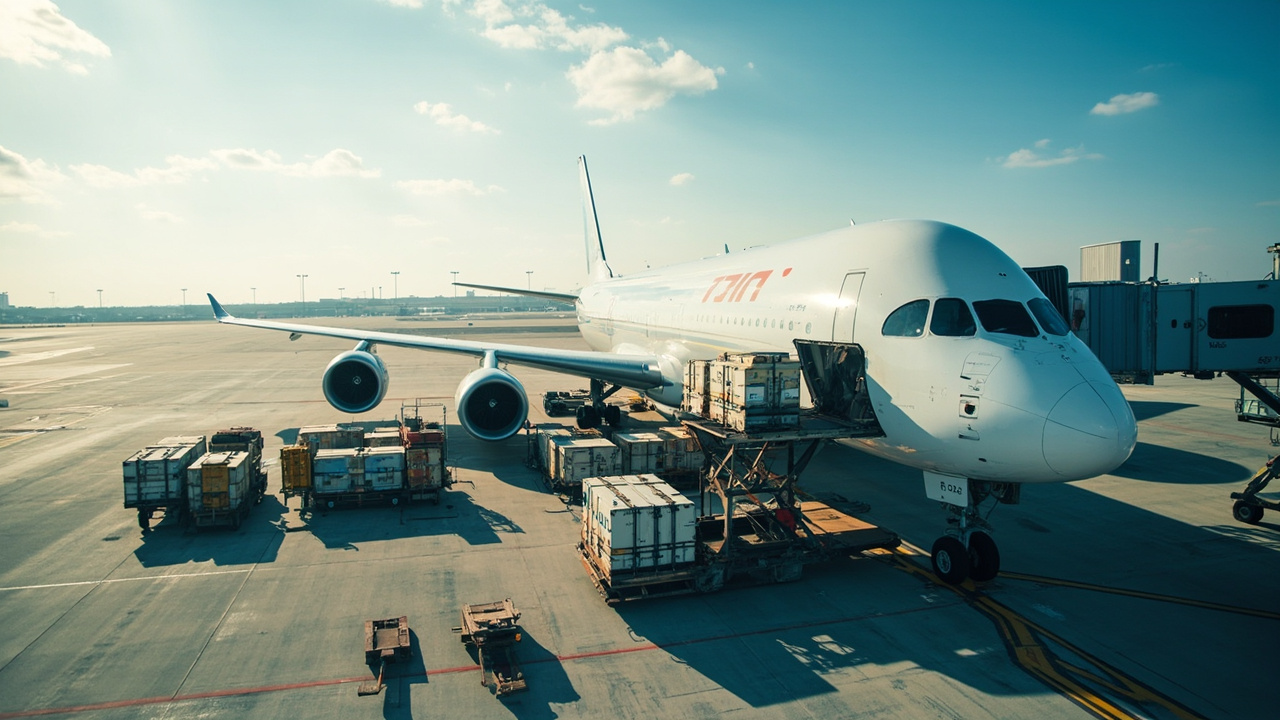
Sea Freight: The Workhorse for Large Apparel Orders
Sea freight is where most apparel production makes sense. A 40-foot container holds roughly 5,000 to 8,000 dozen units of basic T-shirts, or about 2,000 to 3,000 hoodies depending on packing density. For a brand ordering 5,000 units of a single style, sea freight is almost always the correct call.
The math is straightforward. A 40-foot container from Shanghai to Los Angeles runs somewhere between $2,000 and $5,000 in normal market conditions, which translates to roughly $0.40 to $1.00 per kilogram for garments. At an average weight of 200 grams per garment, that puts the per-unit shipping cost at around $0.08 to $0.20 per item for ocean freight alone.
The trade-off is transit time. Shanghai to Los Angeles takes roughly 14 to 18 days by sea. To Rotterdam or Felixstowe, you are looking at 28 to 35 days. Brands need to build that into their production calendars—materials need to be in the factory weeks before the ship sails, and the production lead time needs to account for port congestion, customs clearance, and inland transport to your warehouse.
Sea freight works best when you are moving full containers of standard尺寸 Garments, when your inventory calendar has enough lead time built in, and when you are shipping during non-peak periods when vessel space is readily available.
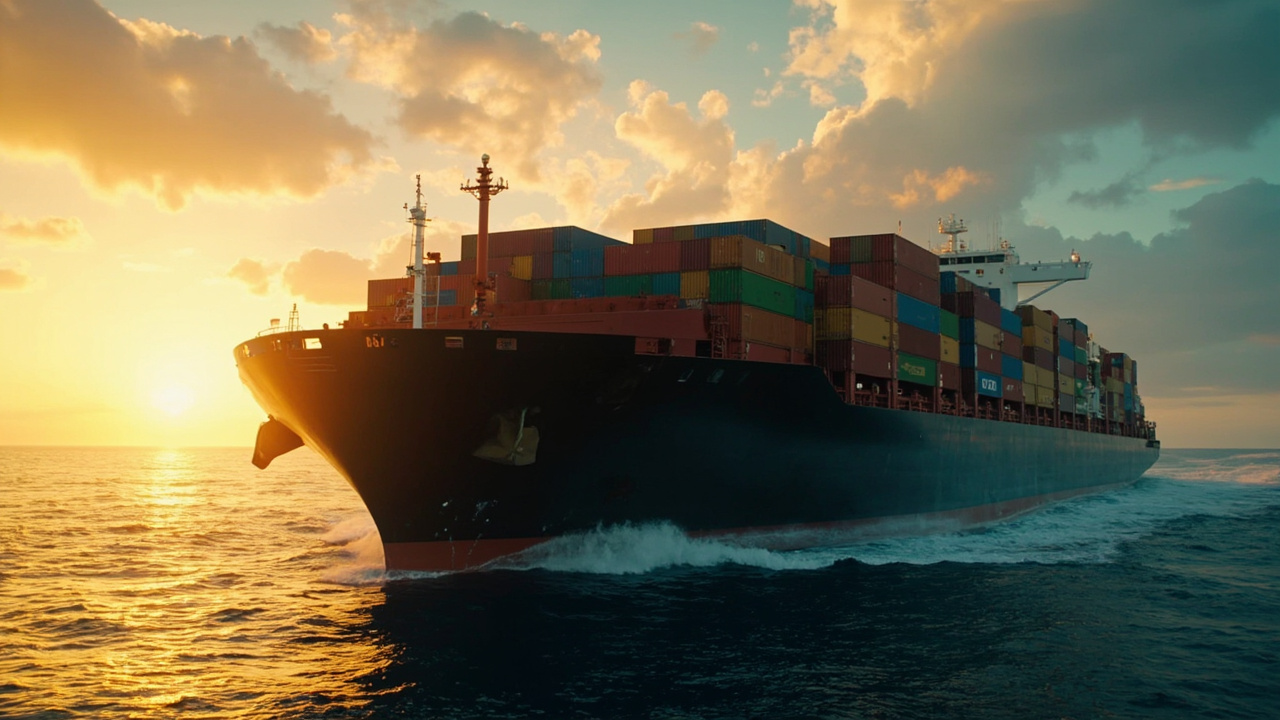
Air Freight: When Speed Justifies the Premium
Air freight costs roughly 5 to 8 times more than sea freight per kilogram for typical garment shipments. For a 200-gram hoodie, that translates to $1.00 to $2.50 per unit in air freight versus $0.08 to $0.20 by sea. On a 2,000-unit order, the difference is meaningful—anywhere from $1,600 to $4,600 extra in freight costs alone.
The premium is justified in specific scenarios. When a production run goes sideways and you need to rescue a selling season, air freight earns its cost. When a retailer unexpectedly bumps an order up and you have no warehouse stock to draw from, air freight keeps the relationship intact. When a fabric shipment from your mill arrives late and your production end date is fixed, air freight is often the only lever you have.
Air freight also makes sense for high-value, low-volume items. A premium silk blouse with a retail price of $280 does not need to ship by sea to justify its margin. The air freight premium per unit is negligible against the retail value, and the speed reduces the risk of the item sitting in transit during a selling window.
Transit times for air are measured in days rather than weeks. Shanghai to Los Angeles is roughly 6 to 8 hours flying time, plus handling, customs, and ground transport. Total door-to-door for air is typically 7 to 12 days, compared to 30 to 45 days for sea. For brands managing just-in-time inventory or responding to trend-driven demand, that two-to-four-week advantage can be the entire competitive edge.
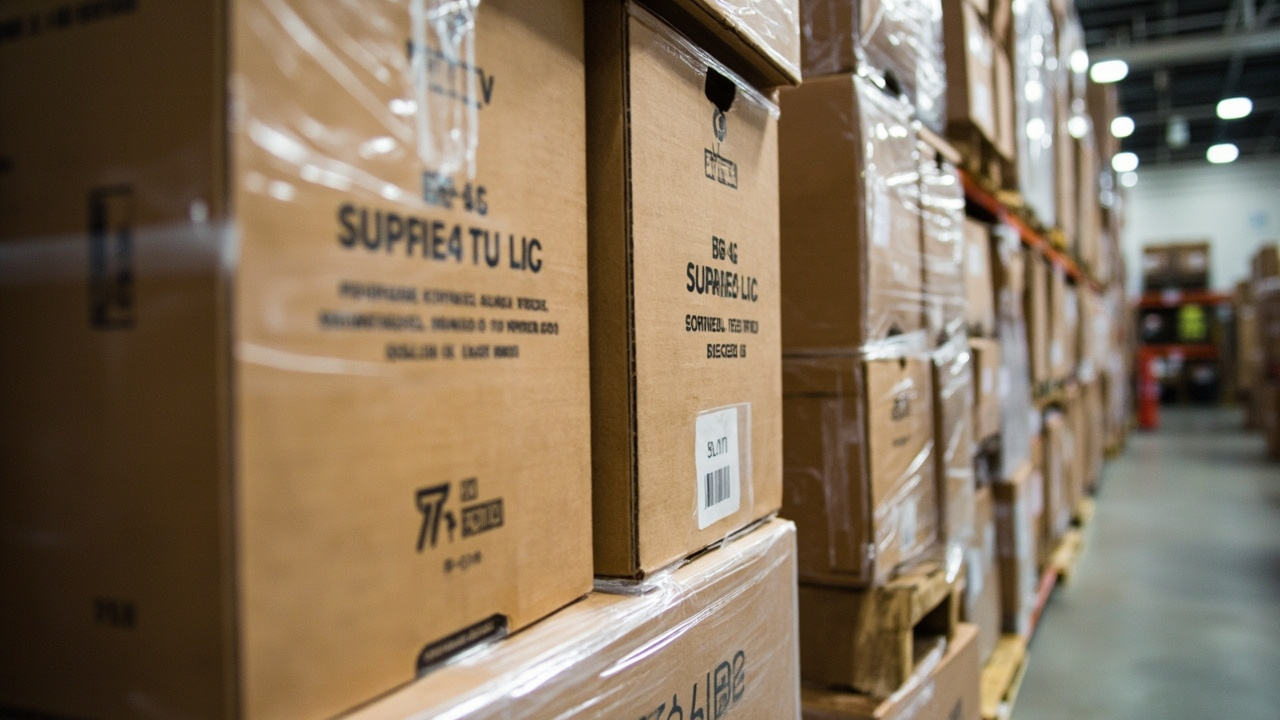
Hybrid Strategies That Actually Work
The smartest apparel brands do not treat air and sea as an either-or decision. They layer both into their supply chain architecture.
A common approach is to send the bulk of a production run by sea, then keep a small buffer—typically 5% to 10% of the order—in the factory or a regional consolidation point that can be air-freighted on short notice. This gives you the low base cost of sea freight while maintaining flexibility for the unexpected shortages that always seem to happen around holiday deadlines or product launches.
Another approach is to use sea freight for the base forecast and air freight to top up. If your demand planning tells you that you will likely sell 8,000 units of a style, you sea-freight 6,000 units as your core stock and air-freight 2,000 as your responsive reserve. If the style outperforms, the air-freighted reserve is already on the water and arriving sooner.
LCL (Less than Container Load) consolidation is a middle ground that some brands overlook. Rather than paying for a full container, you share space with other shippers in a consolidated container. The per-unit cost sits between full container rates and air freight, and it works well for brands ordering 500 to 1,500 units where a full container is wasteful but the volume is too high to air-freight efficiently.
Calculating Total Landed Cost
Before you make any shipping decision, you need to know your total landed cost per unit. That means adding up the production cost, the freight, the duties and taxes, the customs brokerage fees, the insurance, and the inland transport from port to your warehouse. Only then can you compare your sea-freight route to your air-freight route honestly.
For sea freight, add roughly 8% to 12% of the product cost for duties on apparel entering the US. In Europe, the rate varies by country and product type but typically runs 12% to 16% under standard MFN tariffs. These numbers matter when you are building a pricing model.
Air freight simplifies customs in some ways—goods can often clear customs faster, reducing storage fees at the airport warehouse—but the higher declared value of goods shipped by air sometimes triggers different duty treatment. Make sure your customs broker is modeling both routes with the same product classification.
Frequently Asked Questions
How much does air freight cost for clothing compared to sea freight?
Air freight typically costs 5 to 8 times more per kilogram than sea freight. For a basic hoodie weighing 300 grams, air freight adds roughly $1.50 to $3.00 per unit while sea freight adds $0.10 to $0.30 per unit. The premium is justified when you need to rescue a selling season or fulfill an urgent re-order.
What is the typical transit time for sea freight from China to the US?
Sea freight from Shanghai or Guangzhou to Los Angeles takes 14 to 18 days in normal market conditions. To East Coast ports like New York or Savannah, it runs 25 to 35 days. You need to add 3 to 7 days for port handling, customs clearance, and inland transport to your warehouse.
When should an apparel brand use air freight instead of sea freight?
Air freight makes sense when you have a missed production deadline that threatens a selling season, when a retailer unexpectedly bumps an order up with no lead time, when you are shipping high-value low-volume items where the per-unit freight premium is negligible, or when your inventory model is just-in-time with no buffer stock.
What is LCL consolidation and when does it make sense for apparel brands?
LCL (Less than Container Load) consolidation means sharing a shipping container with other brands. It costs more than a full container load but less than air freight, and it works for orders between 500 and 1,500 units where a full container is not economical. LCL is particularly useful for brands testing new markets or running limited edition drops.
How do I calculate the total landed cost of my apparel shipment?
Total landed cost equals production cost plus freight plus duties plus customs brokerage plus insurance plus inland transport. For US imports, add roughly 8% to 12% of the product cost for apparel duties. For Europe, add 12% to 16% depending on the country and HS code. Only by adding all of these components can you accurately compare shipping routes and set correct retail prices.
Related Reading
- Chinese New Year Production Planning for Apparel Brands
- Custom Labels and Packaging: The Details That Define Your Brand
- DDP Shipping for Apparel Brands: The Complete Guide to Delivered Duty Paid
- Factory Auditing for Clothing Brands: A Practical Guide to Verifying Your Manufacturer
Related Manufacturing Services
Ready to Start Your Clothing Project?
- MOQ from 50 pieces per style
- OEM and private label production
- Sample development support
- Fabric sourcing
- Quality inspection before shipment
- Worldwide shipping support