
A reliable crop top manufacturer will quote a per-style MOQ, tell you whether the build is banded or bandless, and give you a bulk lead time before asking for a deposit. Most of the sourcing pages ranking for this term skip at least one of those three.
Maya ran a four-piece streetwear capsule out of her apartment for two years before she tried to add crop tops to the lineup. She emailed six “low MOQ” factories. Four quoted 50 pieces per style, then revealed in the follow-up call that the 50 pieces applied per colorway, per print, and per size run combined, meaning her three-colorway design actually needed 450 pieces to hit their real minimum. She’d already sent two deposits before she caught the pattern.
This guide covers what the ranking factory pages don’t: real MOQ structure, the construction difference between banded and bandless crop tops, actual lead times, and a pricing range you can use to sanity-check a quote. No “contact us for details.”
Key Takeaways
– A genuine per-style MOQ for crop tops starts at 50 pieces, confirm in writing whether that’s per style or per colorway before sampling.
– Banded (shelf-bra/underbust) construction and bandless jersey builds are structurally different products with different fabric and stitching requirements; most manufacturer sites don’t distinguish them.
– Sample lead time runs 12-15 days; bulk production runs 35-45 days from approved sample.
– Pricing at 50-piece MOQ typically lands between $8 and $14 per unit for standard cotton or cotton-blend styles, based on the T-shirt category range, get a written quote for your specific fabric and print.
– OEKO-TEX Standard 100 certification and ISO colorfastness testing should be standard, not an upsell, for any factory selling into the US or EU.
What “Crop Top Manufacturer” Actually Means
Search “crop top manufacturer” and you’ll get one page trying to serve two very different buyers. A streetwear brand wants a basic cotton crop tee, cropped hem, maybe a graphic print. An activewear brand wants a compression-adjacent piece with a built-in shelf bra that has to survive a burpee.
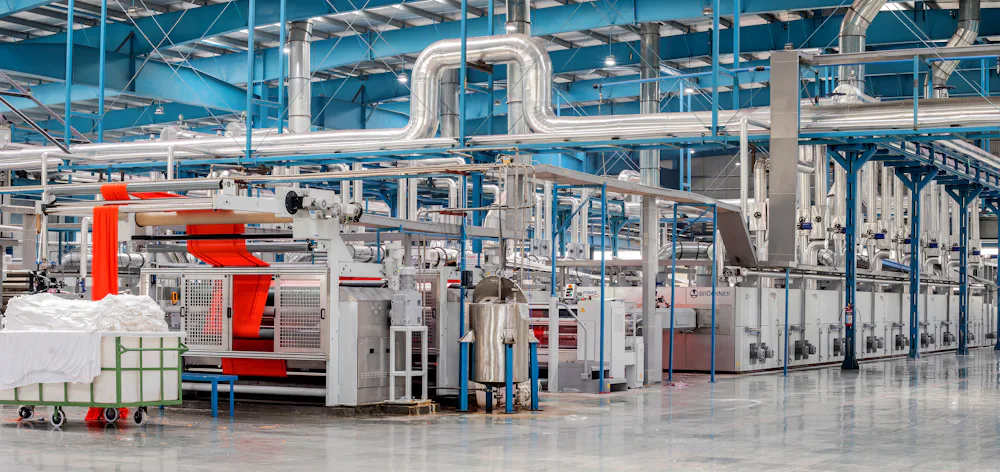
These are not the same sourcing problem. A fashion-crop factory optimized for screen printing and DTF on 100% cotton jersey has no reason to also stock 87/13 polyester-spandex or run flatlock seaming, which is what banded activewear crops need. If you ask a fashion-crop supplier for activewear-grade support and stretch recovery, you’ll get a garment that looks right in the sample photo and fails in the wash test.
Start by naming which one you’re sourcing. If your buyer is layering the top under a jacket or wearing it out, you want the fashion-crop path (cotton or cotton-poly, 140-200 GSM, standard cut-and-sew construction). If your buyer is training in it, you want the activewear fabrics path, which changes the fabric, the seam type, and the factory you should be talking to.
Want to see how this plays out for your specific silhouette? Send over your reference image or tech pack through the inquiry form and we’ll tell you straight which category it falls into before you commit to a sample.
Banded vs. Bandless Construction
Here’s the detail every ranking crop top manufacturer page skips: whether the top has a structural band, and how that band is built.
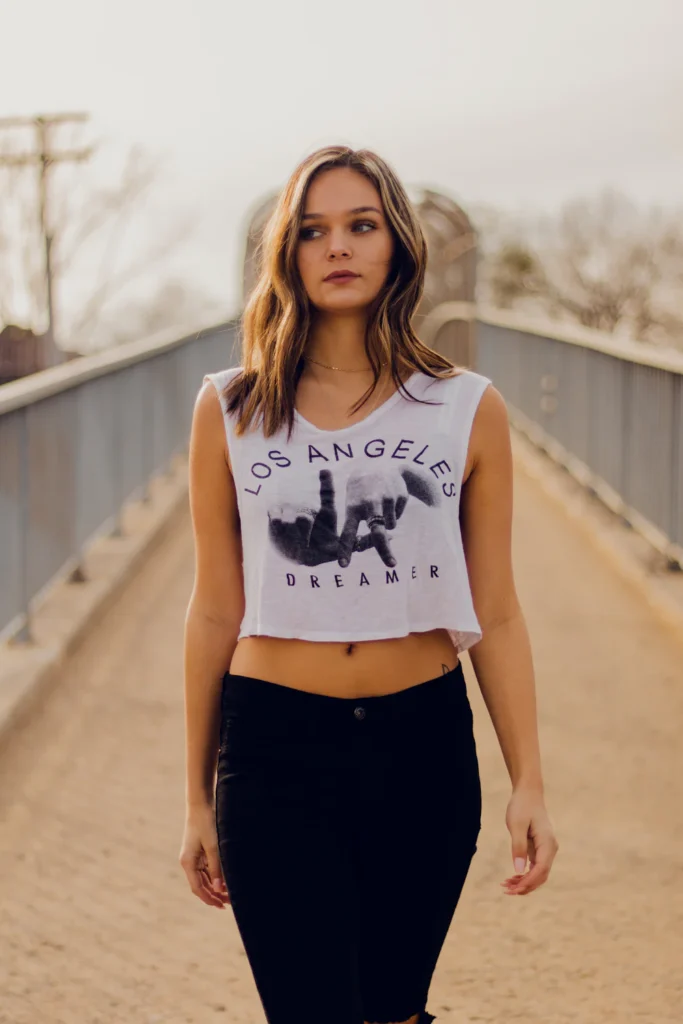
Bandless crop tops are cut-and-sew from a single piece of jersey or ribbed fabric, hemmed at the bottom like a shortened t-shirt. Construction is simple: cut, sew side seams, hem. This is the right build for basic streetwear crops, graphic tees, and fashion pieces that don’t need bust support.
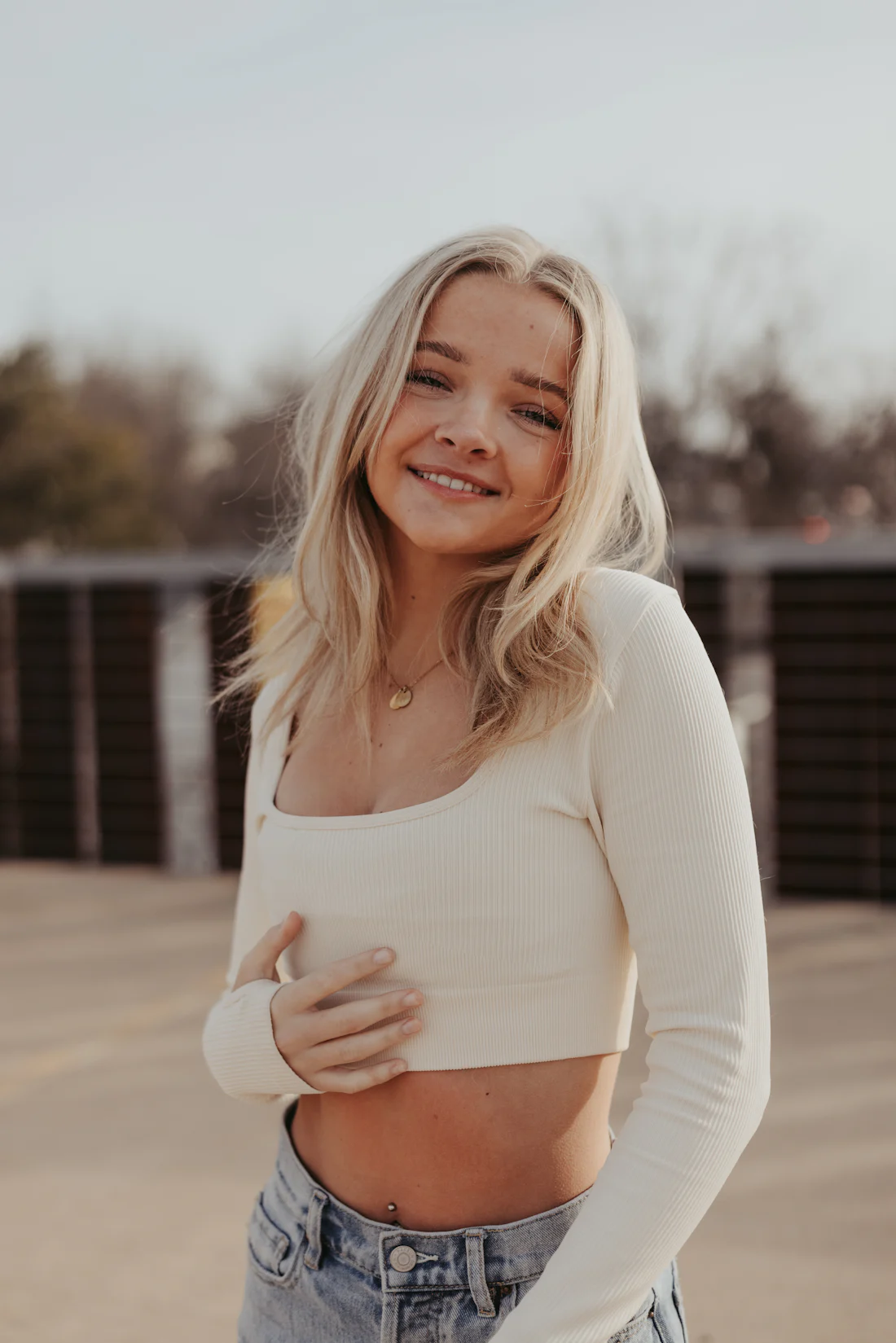
Banded crop tops carry a separate underbust band, usually a wider strip of the same fabric or a contrasting elastic-blend, stitched in with a zigzag or coverstitch that lets the band stretch horizontally without the seam popping. This is the “shelf-bra” construction you see in activewear and bralette-style crops. It needs a factory that can hold consistent band tension across a production run, because a band that’s stitched loose in some units and tight in others is the single most common complaint buyers get on this silhouette: it rolls, it digs in, or it rides up mid-workout.
Dana, a Melbourne-based activewear founder, spent three months getting quotes for a banded crop before she found a supplier who could actually explain the difference. Two of the four factories she contacted quoted the same price for banded and bandless construction, a signal that they weren’t distinguishing them internally. She switched to a factory running flatlock seaming as standard for compression-adjacent pieces, and her first 50-piece sample run passed a wash-and-stretch test with zero band rejects.
At PRP Apparel, banded crop tops run through the same flatlock seaming line used for compression leggings, not a general cut-and-sew line. That’s the difference between a band that holds its shape after 20 washes and one that doesn’t.
MOQ, Sample Lead Time, and Pricing
Here are the actual numbers, not “flexible” or “contact us.”
| Spec | PRP Apparel | Typical Competitor Claim |
|---|---|---|
| MOQ | 50 pieces per style | “Flexible” (unstated) or 60-200 pieces |
| Sample lead time | 12-15 days | “~2 weeks” (unverified) or unstated |
| Sample cost | $80-$250 per sample set | Rarely disclosed |
| Bulk lead time | 35-45 days from approved sample | Rarely disclosed |
| Price at 50 pcs | $8-$14/unit (cotton/cotton-blend, standard build) | $8-$17/unit where disclosed at all |
The 50-piece MOQ is per style, not per colorway or per print variant. If you want three colorways of the same crop top, confirm upfront whether that’s 50 pieces total or 150. Ask this before sampling, not after your deposit clears.
Pricing above reflects PRP’s T-shirt and fitted-styles category range, since crop tops aren’t a separately priced line item. A basic bandless cotton crop typically prices at the lower end of that range; a banded style with flatlock construction and a heavier fabric runs higher. Treat this as a planning range, then confirm your exact quote against your specific fabric, print method, and colorway count.
Ready to get a real number instead of a range? Send your design and target quantity through the inquiry form, you’ll get a quote based on your actual spec, not a category average. For the mechanics of how factories structure MOQ (and how to negotiate it), see our guide to negotiating MOQ with clothing manufacturers, and for how that price actually breaks down, see what goes into the cost of a garment.
Fabric Options for Crop Tops
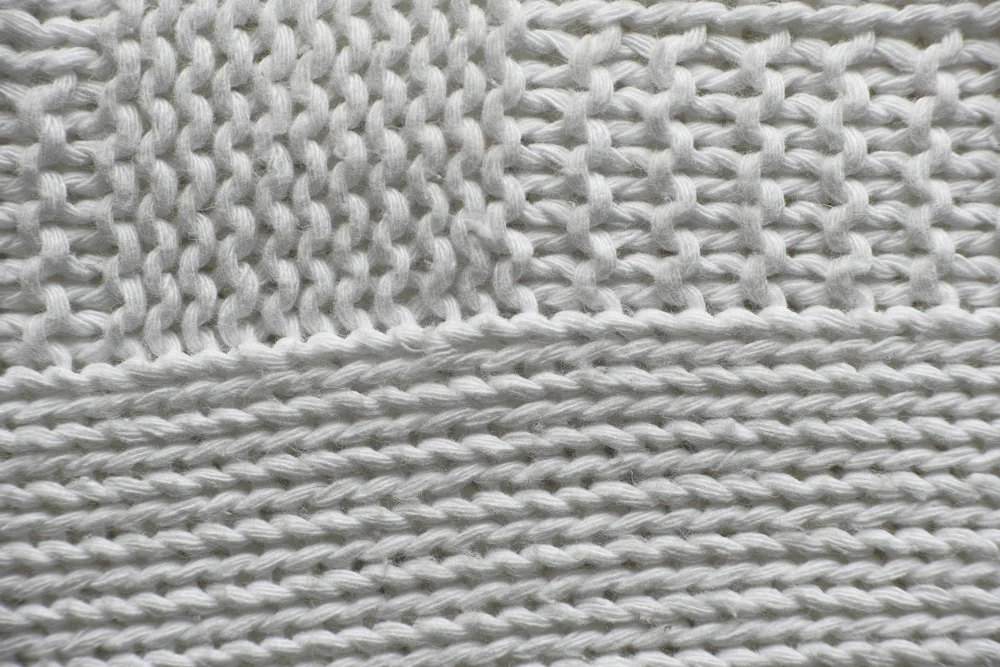
Fashion-crop tops typically run 140-200 GSM: 100% cotton for a classic tee hand, cotton-poly blends for better shape retention through washing, or bamboo-cotton blends for a softer, drapier finish. These weights hold a screen print or DTF graphic cleanly without the fabric feeling stiff.
Activewear-crop tops need a heavier, higher-stretch-recovery fabric, typically the same nylon-spandex (80/20) or polyester-spandex (87/13) blends used in compression leggings, in the 180-240 GSM range. This is what lets a banded top hold its shape through a training session instead of stretching out and staying stretched.
A crop top manufacturer that can’t tell you the GSM range for your specific style off the top of their head probably hasn’t run enough of them. If you’re not sure which category your fabric choice falls into, our fabric types and GSM guide breaks down weight ranges by end use, and our cut-and-sew manufacturer guide covers how construction method changes based on fabric choice.
Customization and Branding at MOQ
A crop top’s small surface area doesn’t limit your customization options as much as buyers assume, but it does change which method makes sense.
Screen printing works well on bandless fashion crops with a flat front panel, and it’s the cheapest option per unit at low volume. DTF (direct-to-film) transfers handle multi-color graphics and photographic prints better than screen printing at small run sizes, since there’s no separate screen setup cost per color. Embroidery works on structured areas (a chest logo, a small back tag) but doesn’t sit well across a stretch band, since the stitching resists the fabric’s stretch recovery and can pucker after repeated washing. Sublimation (AOP) is the right call for activewear crops needing an all-over pattern that has to survive high-stretch movement without cracking or fading, since the dye becomes part of the fiber rather than sitting on top of it.
Custom woven labels, heat-transfer neck tags, and branded packaging are available at the same 50-piece MOQ as the garment itself; there’s no separate minimum on trims that forces you to over-order just to get your logo on the product. Confirm your label placement early, particularly on banded styles, where a standard neck label position may sit directly against the underbust band rather than at the top of the garment.
Compliance and Quality Control
Every fabric PRP Apparel uses is OEKO-TEX Standard 100 certified, which confirms the fabric has been tested for harmful substances against limits stricter than most national regulations. Ask any supplier for the certificate number and verify it on the official OEKO-TEX database directly. Sustainability claims without a certificate number behind them aren’t verifiable.
Colorfastness testing matters more on cropped styles than most categories, since the fabric sits directly against skin at the waistband and, on banded styles, under the bust. Request testing to ISO 105-C06 (washing), 105-X12 (rubbing), and 105-E04 (perspiration) before a bulk order, especially for activewear crops that will see heavy sweat contact. Our garment quality control guide covers what to check during and after production, including how to catch band-tension inconsistency before it ships.
For rPET or recycled-fabric crop tops, ask for GRS (Global Recycled Standard) documentation, not just a supplier’s word that the fabric is recycled. GRS certification tracks the recycled content through the supply chain with a chain-of-custody number you can verify, the same way you’d verify an OEKO-TEX certificate. A factory that can produce both documents on request is a good sign they test routinely rather than only when a buyer asks.
FAQ
What’s a realistic MOQ for a first crop top order?
50 pieces per style is a genuine, achievable minimum at PRP Apparel. Confirm whether a quoted MOQ applies per style or per colorway; the second structure can multiply your real minimum by 3x or more without the factory saying so upfront.
Banded or bandless, which construction should I choose?
Bandless for basic fashion crops (streetwear, graphic tees, layering pieces). Banded (shelf-bra/underbust) for activewear or anything needing bust support. The two need different fabric weights and different sewing lines; don’t source them from a factory that treats them as identical.
How long does crop top sampling take before bulk production?
12-15 days for an initial sample from order confirmation, with 1-3 rounds of revision typical. Bulk production runs 35-45 days from the approved sample, not from your initial order date.
What’s a realistic per-unit price at low MOQ?
$8-$14 per unit at 50 pieces for standard cotton or cotton-blend construction, based on PRP’s T-shirt category pricing. Banded, heavier-fabric, or multi-print styles run higher. Get a quote against your exact spec before budgeting a launch.
Does crop top fabric need compliance documentation to sell in the US or EU?
OEKO-TEX Standard 100 certification isn’t legally required in most jurisdictions but is increasingly expected by retail buyers and marketplaces. ISO colorfastness testing protects you against returns and complaints, particularly for activewear styles with heavy sweat contact.
Getting Your First Crop Top Sample Right
Choosing the right crop top manufacturer comes down to whether they’ll give you these numbers before you ask twice. The fastest way to waste a sampling round is to skip naming your construction type and fabric weight upfront. Maya’s 450-piece surprise came from not asking about colorway structure before her first email turned into a deposit. Dana’s zero-reject sample run came from finding a factory that could name the difference between banded and bandless construction without being asked twice.
Confirm your MOQ structure in writing. Name your construction type before you request a sample. Ask for the certificate number behind any compliance claim. Those three steps catch most of what goes wrong in a first crop top order.
To get a quote against your actual design, fabric, banded or bandless construction, print method, and colorway count, reach out through the inquiry form. You’ll get real numbers back, not a range.
Related Reading
- Women’s Fitted T-Shirt Manufacturer: Construction and Grading Guide
- Longline and Ringer Tee Manufacturer
- Oversized T-Shirt Manufacturer
- Streetwear Manufacturer China
- Hoodie Manufacturers in China
Related Manufacturing Services
Products We Manufacture
Ready to Start Your Clothing Project?
- MOQ from 50 pieces per style
- OEM and private label production
- Sample development support
- Fabric sourcing
- Quality inspection before shipment
- Worldwide shipping support