
If you are a clothing brand looking to launch an activewear line, the single most important decision you will make is which fabric to use. The wrong fabric leads to poor performance returns unhappy customers and wasted production costs. The right fabric does the opposite. This guide walks you through the activewear fabric options available to B2B buyers what each one does best and how to make smart sourcing decisions for your brand.
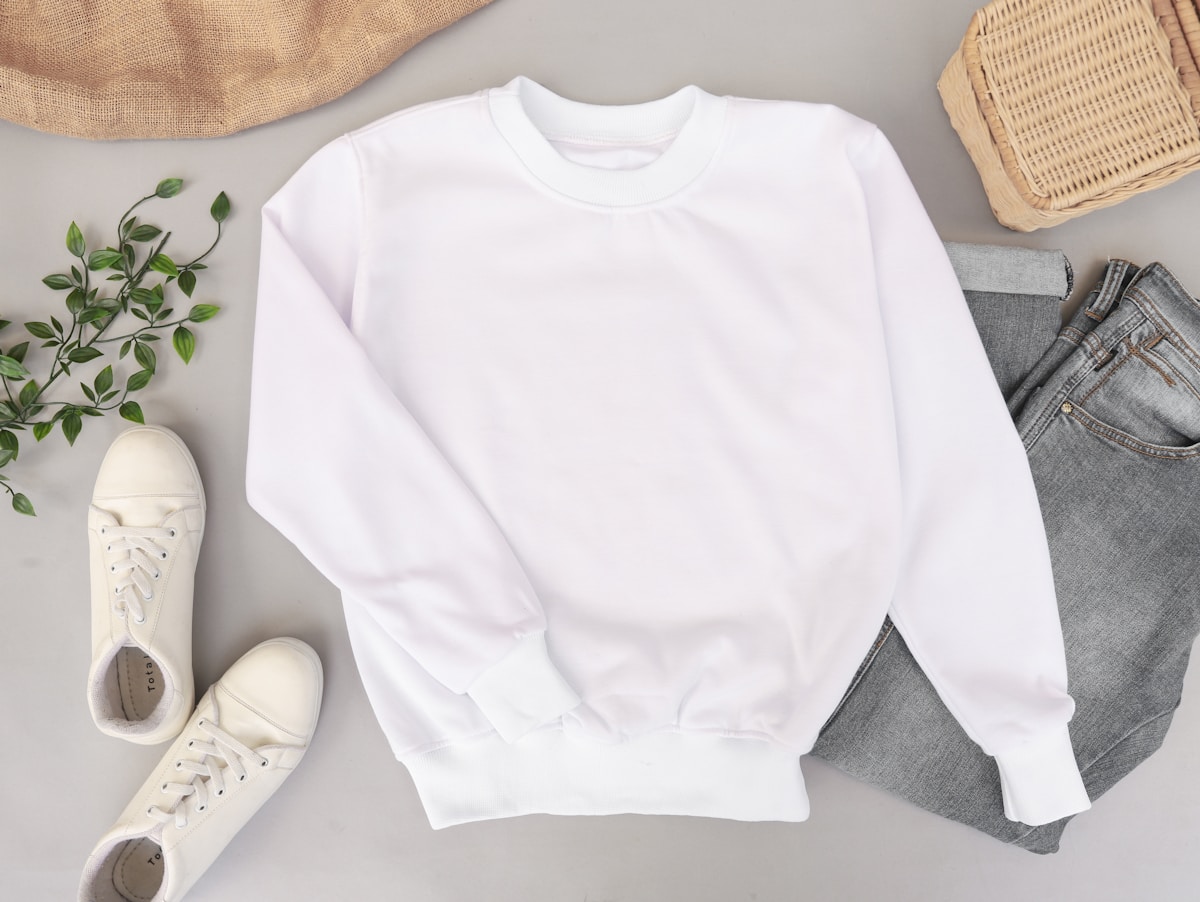
Why Fabric Matters More in Activewear Than Any Other Category
Activewear is not like casual wear or workwear. Your customers expect the garment to perform during physical activity. That means it needs to wick sweat allow air to circulate stretch with the body and hold its shape wash after wash. Ordinary cotton cannot deliver on these requirements. That is why understanding activewear fabrics is essential before you place your first production order.
When you work with a clothing manufacturer like PRP Apparel you get access to a wide range of performance fabrics. But you also need to know what to ask for. Each fabric type serves a different purpose and choosing the wrong one can ruin a product that otherwise has great design and fit.
The Most Common Activewear Fabric Types
Here are the main fabric categories you will encounter when sourcing activewear from a garment factory.
Polyester
Polyester is the backbone of the activewear industry. It is lightweight durable and excellent at wicking moisture away from the skin. Modern polyester can be engineered with different weaves to add breathability four-way stretch or a soft hand feel. It also holds dye well so colors stay vibrant through many washes. Most B2B activewear orders use polyester blends rather than 100% polyester to improve comfort and fit.
Nylon
Nylon is stronger and more abrasion-resistant than polyester. It also has a softer more natural feel against the skin. Nylon is commonly used in leggings sports bras and compression wear. The downside is that nylon does not wick moisture quite as efficiently as polyester so it is often blended with other fibers to balance performance. Nylon-spandex blends are among the most popular choices for premium activewear.
Spandex / Elastane
Spandex also called elastane or Lycra is the fiber that gives activewear its stretch. It is never used alone. Instead it is blended with polyester or nylon at ratios between 5% and 20%. A typical activewear fabric might be 85% polyester and 15% spandex. The higher the spandex content the more compression and recovery the garment offers. For yoga wear and high-intensity training fabrics a spandex blend is essential.
Cotton-Polyester Blends
Some activewear brands prefer a cotton-polyester blend for a more natural look and feel. These fabrics offer moderate moisture wicking and better breathability than pure cotton. They are common in lifestyle activewear athleisure and training hoodies. However for high-sweat activities a higher polyester content is recommended.
Bamboo and Recycled Fabrics
Sustainable activewear is a growing segment. Bamboo viscose offers natural softness and antibacterial properties. Recycled polyester made from post-consumer plastic bottles is increasingly popular among eco-conscious brands. These fabrics perform well when properly engineered and can be blended with spandex for stretch. If your brand targets sustainability certifications these fabric options are worth exploring with your manufacturer.
Key Performance Features to Look For
Beyond the base fiber type you need to understand the performance characteristics that matter to your end customer.
Moisture Wicking
Moisture wicking refers to the fabric’s ability to pull sweat away from the skin and move it to the outer surface where it can evaporate. This is achieved through fiber chemistry and fabric construction. Polyester is naturally hydrophobic which makes it an excellent wicking fiber. You can test a fabric’s wicking ability by placing a drop of water on it. If it spreads quickly the fabric wicks well.
Breathability
Breathability is how easily air passes through the fabric. Mesh panels and specific knit constructions improve airflow. For high-cardio activities like running or HIIT training breathability is just as important as moisture wicking. A heavily printed or coated fabric may reduce breathability so factor this into your design choices.
Four-Way Stretch and Recovery
Four-way stretch means the fabric stretches in both length and width directions. Two-way stretch only stretches in one direction. For most activewear categories four-way stretch is the standard. Recovery refers to how well the fabric returns to its original shape after being stretched. Poor recovery leads to saggy knees and loose waistbands. Spandex content and knit structure both affect recovery.
GSM and Fabric Weight
GSM grams per square meter is the standard measure of fabric weight. For activewear typical GSM ranges are:
- 120-150 GSM: Lightweight for summer tops and running singlets
- 150-200 GSM: Mid-weight for leggings training tops and sports bras
- 200-280 GSM: Heavy-weight for hoodies joggers and outer layer pieces
- 280+ GSM: Premium weight for compression wear and cold-weather gear
Choosing the right GSM is critical. A 120 GSM fabric might work for a running singlet but would be too thin for durable leggings. Always request a fabric specification sheet from your manufacturer before confirming your order.
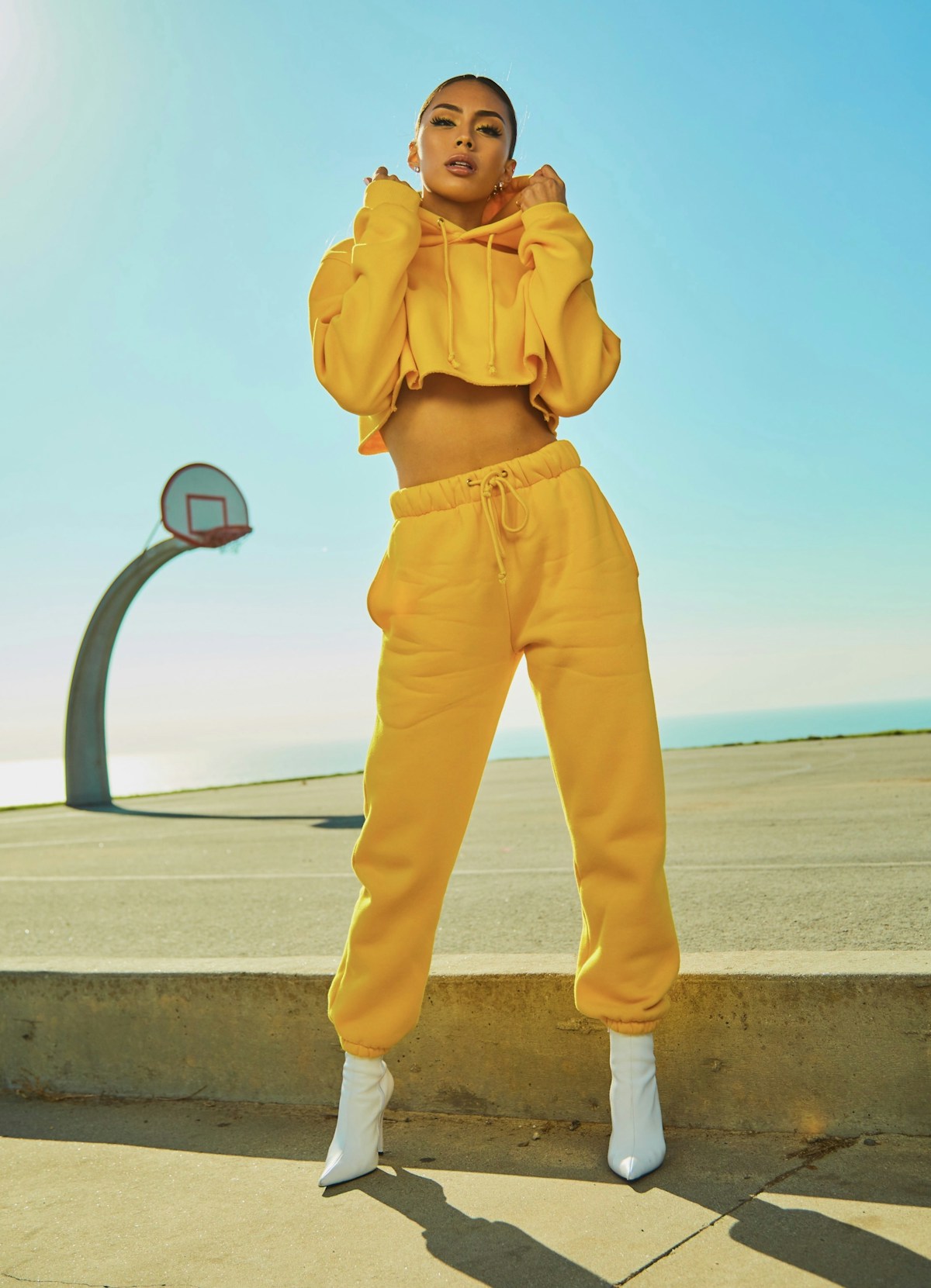
How to Source Activewear Fabrics as a B2B Buyer
When you work with a clothing manufacturer the fabric sourcing process typically follows these steps.
First you discuss your product category and performance requirements. The manufacturer will recommend fabric options from their existing suppliers. Most established factories have relationships with textile mills and can source a wide variety of activewear fabrics. If you have a specific fabric in mind you can request a sample yard before committing to bulk production.
Second you request a fabric specification sheet. This document includes the fiber composition weight by GSM width shrinkage percentage and care instructions. Always review this sheet carefully. A discrepancy between what you ordered and what is delivered can cause major production issues.
Third you approve a sample made from the actual production fabric. Never skip this step. The hand feel and drape of a fabric in a small swatch may differ from how it behaves as a finished garment. A sample made with the actual fabric will reveal any issues with sewing dye absorption or stretch recovery before you go into bulk production.
Common Mistakes When Sourcing Activewear Fabrics
Even experienced brands make these mistakes. Here is what to watch out for.
Choosing fabric by price alone. Cheap polyester fabrics often pill lose color and stretch out after a few washes. The cost difference between a low-grade and a mid-grade activewear fabric is usually small per garment but the quality difference is massive.
Ignoring shrinkage. Activewear fabrics especially those with cotton content can shrink significantly. Always check the shrinkage percentage on the spec sheet and pre-shrink fabric before cutting if needed.
Skipping the care label test. How will your fabric hold up to repeated washing and drying? Some spandex blends degrade quickly in high heat. Test your garment through at least five wash cycles before approving bulk production.
Not checking colorfastness. Dark activewear colors can bleed onto lighter panels or equipment. Request a colorfastness test especially if your design includes contrasting colors or white panels.
Certifications and Standards for Activewear Fabrics
If you plan to market your activewear as high-performance or sustainable certain certifications add credibility. OEKO-TEX Standard 100 certifies that the fabric is free from harmful substances. GOTS Global Organic Textile Standard applies to organic fibers. Recycled polyester can carry GRS Global Recycled Standard certification. For brands targeting serious athletes specifying a fabric that meets ASTM or ISO standards for moisture management and stretch recovery can set your product apart from competitors.
Frequently Asked Questions
What is the best fabric for activewear leggings?
A nylon-spandex blend with 75-80% nylon and 20-25% spandex is widely considered the best choice for activewear leggings. This combination offers excellent four-way stretch high abrasion resistance and a soft hand feel. For more compression-heavy leggings a polyester-spandex blend is also common.
How do I know if an activewear fabric is good quality?
Check three things: fiber composition GSM and stretch recovery. A high-quality activewear fabric will have a balanced fiber blend appropriate for its intended use. It should recover quickly after being stretched. You can also test moisture wicking by placing a water droplet on the fabric surface. Good quality fabrics also hold their color after multiple washes without pilling.
What GSM should I use for activewear tops?
For lightweight running and training tops look for 120-150 GSM fabric. For everyday gym tops and tanks 150-180 GSM is a good range. For heavier outerwear layering pieces 200-250 GSM works well. Always consider the activity level and climate your customers will be wearing the garment in.
Can I use recycled polyester for activewear manufacturing?
Yes. Recycled polyester made from post-consumer plastic bottles performs very similarly to virgin polyester in activewear applications. It wicks moisture well holds dye and can be blended with spandex for stretch. Many brands now use recycled polyester as a selling point for eco-conscious consumers. Just make sure your supplier provides the GRS certification if you plan to make claims about recycled content.
What is the difference between two-way stretch and four-way stretch in activewear fabrics?
Two-way stretch fabric stretches only in one direction usually widthwise. Four-way stretch fabric stretches in both length and width directions providing much greater freedom of movement. For activewear categories like yoga leggings sports bras and compression wear four-way stretch is essential. Two-way stretch may be acceptable for looser-fitting tops and outer layers.
Choosing the right activewear fabric for your clothing line does not need to be complicated. Focus on the fiber blend GSM and performance features that match your product category. Work closely with your manufacturer request samples and test everything before going into bulk production. The brands that take fabric selection seriously are the ones that build loyal customers who come back season after season.
Related Reading
- Custom Legging Manufacturer: Fabric and Waistband Guide
- Crop Top Manufacturer
- Gym Wear Manufacturer with Low MOQ: A Sourcing Guide for Activewear Brands
- B2B Clothing Manufacturing: A Complete Guide to Sourcing Garments for Your Brand
- B2B Clothing Manufacturing: Speed and Quality
- Best Clothing Manufacturers for Startups and Established Fashion Brands
Related Manufacturing Services
Products We Manufacture
Ready to Start Your Clothing Project?
- MOQ from 50 pieces per style
- OEM and private label production
- Sample development support
- Fabric sourcing
- Quality inspection before shipment
- Worldwide shipping support