
Pleating, Shirring & Smocking: The Fabric Rule That Decides Which One Holds
Prophesy Apparel (PRP) runs pleating, shirring and smocking through a partner facility we’ve coordinated with for years — not our own floor, unlike three of our other six embellishment techniques. All three put permanent texture into a flat panel, but they hold that shape in completely different ways. Heat-set pleating melts a crease into a thermoplastic fibre so it survives without a single stitch; shirring and smocking hold their gathers with thread instead, which is the only reason either of them works on cotton. Send us the fabric and the pleat you want and we will tell you before the sample round whether it will actually hold.
Fabric consumption
the real cost driver on pleating, not labour
Ownership
coordinated network, not our own floor
MOQ, per style per colour
same minimum across all six techniques
Sample lead time
25–45 days to bulk
What Pleating, Shirring and Smocking Actually Do to the Fabric
Heat-set pleating is a heat treatment, not a stitch. A mould presses a crease into the fabric, and heat realigns the polymer chains in a thermoplastic fibre so the crease locks in as it cools — polyester and polyester blends, acetate, and nylon all hold this way. Lightweight wovens pleat best: chiffon, georgette, satin, taffeta. Shirring and smocking do the opposite. Rows of elastic thread (shirring) or a gathering stitch pattern (smocking) hold the fabric’s shape mechanically, with no heat involved at all — which is exactly why both work on cotton and pleating does not. Cotton, linen and viscose/rayon are not thermoplastic, so a heat-set crease collapses on the first wash; wool can be steam-set but will not hold long-term; anything over 200gsm will not take a crisp pleat regardless of fibre content.
Even on the right fabric, pleating has a wash-temperature ceiling. It is permanent on 100% polyester through repeated washing below 40°C, but above 60°C or in a hot tumble dryer the pleat drops out and will not come back. A 65/35 poly-cotton blend softens after roughly 10–20 washes even at the right temperature. And the number that actually drives the cost of a pleated style is not the labour rate — it is fabric. Pleating consumes 2.5–3× the flat yardage: accordion pleats run about 2.5–3×, knife pleats closer to 3×. We go deeper on exactly why cotton pleats fail in Why Do Pleats Fall Out of Cotton?
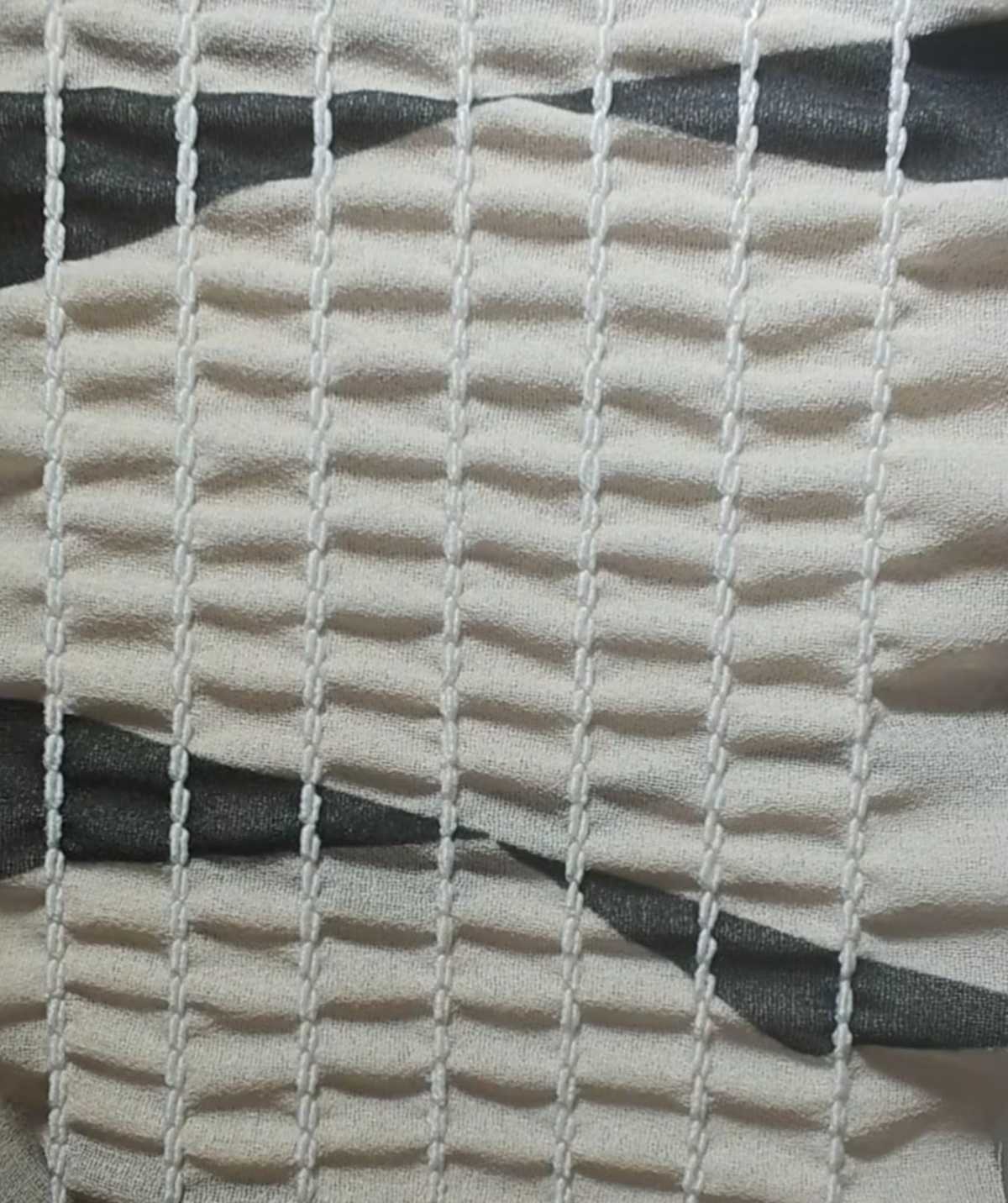
Shirring holds its gather with rows of stitched thread, not heat — the reason it works on cotton and heat-set pleating never will.
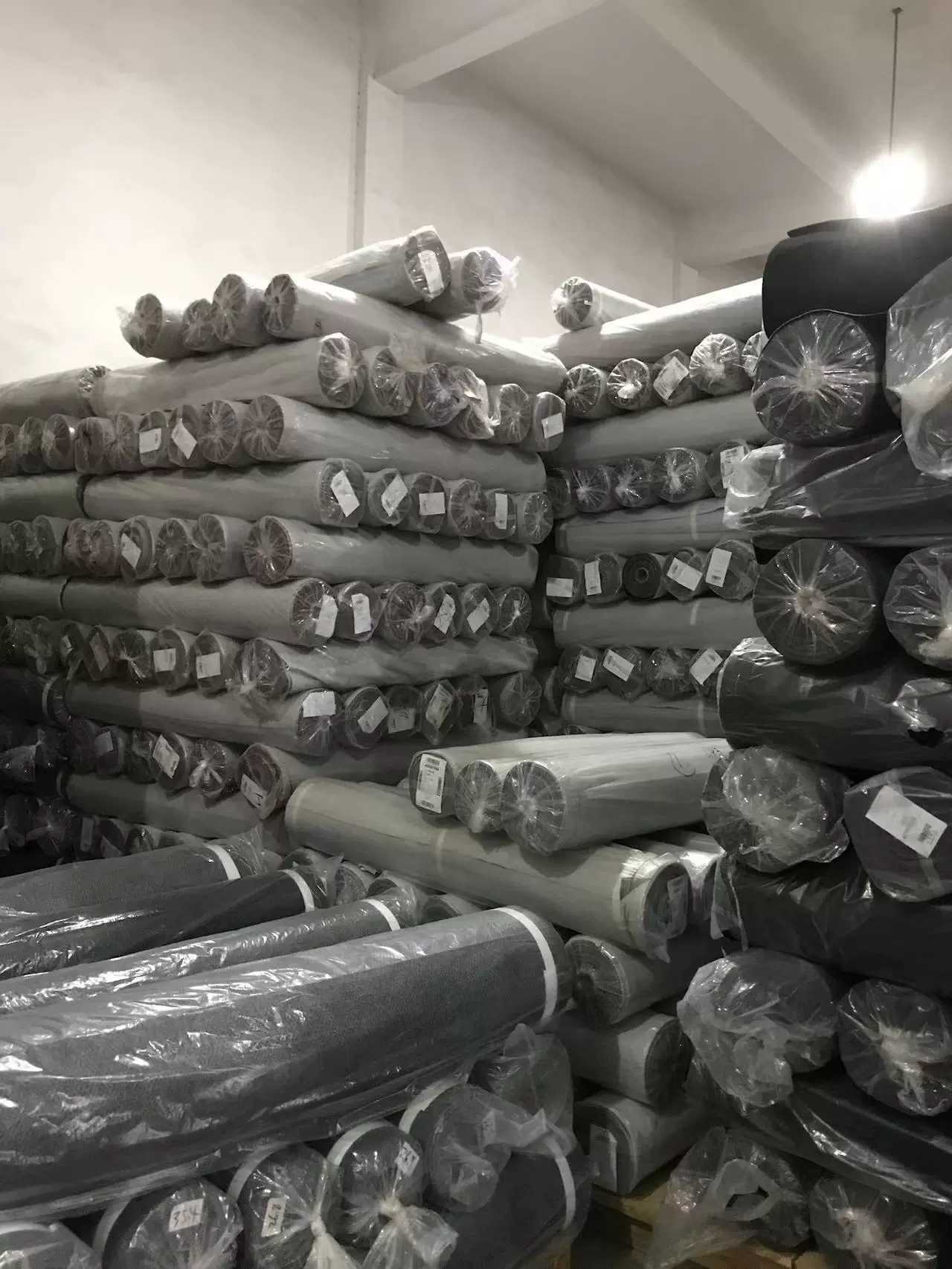
The fabric consumption is the real line item on a pleating quote — 2.5–3× the flat yardage before a single crease is pressed.
Pleating, Shirring & Smocking Specifications
| Brand | Prophesy Apparel (PRP) |
| Founded | 2015 |
| Ownership | Partner facility — coordinated network, not our own floor |
| MOQ | 50 pieces per style, per colour |
| Sample lead time | 7–14 days |
| Bulk lead time | 25–45 days from approved sample |
| Suitable fabrics (pleating) | Polyester & polyester blends, acetate, nylon · lightweight wovens (chiffon, georgette, satin, taffeta) pleat best |
| Unsuitable for heat-set pleating | 100% cotton, linen, viscose/rayon (not thermoplastic) · wool (steam-sets but will not hold) · fabric over 200gsm |
| Works for shirring & smocking | Cotton and most wovens/knits — held by stitching, not heat |
| Wash durability | Permanent on 100% polyester below 40°C · pleat drops out above 60°C or in a hot tumble dryer · 65/35 poly-cotton softens after ≈10–20 washes |
| Fabric consumption | 2.5–3× the flat yardage (accordion ≈2.5–3×, knife ≈3×) |
| Pleat types | Knife, box, accordion, sunray, crystal — sunray needs a dedicated mould and costs the most |
| Panel size | Typically 110–150cm wide × 200–300cm long, limited by the pleating mould |
When You Should Not Choose Heat-Set Pleating
Heat-set pleating is not the right call every time a gathered or textured look is the goal. Six situations where we would rather steer you elsewhere:
- Your fabric is 100% cotton, linen, or viscose/rayon. None of these are thermoplastic, so a heat-set crease will not survive the first wash. Switch to a polyester or acetate fabric, or accept shirring or smocking on the cotton instead.
- The garment will see hot washing or tumble drying. Above 60°C the pleat drops out, permanently — no amount of re-pressing brings it back for good.
- Your fabric is heavier than about 200gsm. It will not take a crisp pleat regardless of fibre content. Move to a lighter weight, or use a different structural treatment.
- Your panel is bigger than the mould allows. Roughly 150cm wide or 300cm long is the typical ceiling — a larger panel needs piecing, which changes the design. Plan the pattern around that limit or use continuous shirring instead.
- Your budget does not have room for 2.5–3× the yardage. That fabric consumption, not labour, is the real cost driver. If the math does not work, cotton-friendly shirring or smocking on a cheaper base fabric is the honest fallback — not a “cheaper pleat.”
- You want a one-off sunray pleat on a small run. Sunray needs its own dedicated mould, and that tooling cost does not amortise well at a 50-piece minimum.
It is the same fabric-first logic that governs laser cutting — what the material is made of decides what is possible before any decoration choice does.
Pleating vs Shirring vs Smocking
Three ways to put permanent texture into a flat panel, and the fabric you bring decides which ones are even on the table. The difference that matters most is whether the technique needs heat or just needs thread.
| Heat-Set Pleating | Shirring | Smocking | |
|---|---|---|---|
| Made | Partner facility, heat press with mould | Partner facility, rows of elastic thread | Partner facility, hand or machine gathering stitches |
| Holds shape via | Heat-set thermoplastic crease | Stitched elastic thread | Stitched gathering pattern |
| Works on cotton | No — not thermoplastic | Yes | Yes |
| Wash durability | Permanent on polyester below 40°C · fails above 60°C | As durable as the base fabric and thread | As durable as the base fabric and thread |
| Typical garment | Pleated skirts and dresses | Waistbands, bodices, cuffs | Yokes, cuffs, children’s wear panels |
| Best for | Crisp, engineered pleats on polyester or acetate | Stretch and gather on any fabric, including cotton | Decorative gathered texture on any fabric |
What to Send Us So the Quote Is Accurate
Pleating, shirring and smocking quotes move fastest when we have these up front:
- Exact fabric composition, not just “polyester-look” — the thermoplastic content is what determines whether heat-set pleating is even possible. Not sure? Our materials guide covers which fibres take a heat-set pleat and which do not.
- Which technique you want — pleating, shirring, or smocking. Not sure? Tell us the fabric and the effect you are after and we will recommend one.
- Pleat type, if pleating — knife, box, accordion, sunray, or crystal.
- Panel dimensions — our partner’s mould caps a single panel at roughly 150cm wide and 300cm long.
- Quantity per style, per colour — our MOQ is 50, the same as our other five embellishment techniques.
Send it through the enquiry form or on WhatsApp. If cotton is non-negotiable and you want the gathered look, we will say so before a sample round, not after.
Feel the Difference Between a Pressed Pleat and a Stitched Gather
A heat-set pleat and a shirred gather can look almost identical in a flat product photo and feel completely different once you are holding the garment. Request our embellishment swatch card and you will have both in your hands — along with real samples of laser cutting, silicone patches, beading and specialty embroidery. It is free to make; shipping is paid by you, and we will confirm the cost before anything ships.
Pleating, Shirring & Smocking Questions Buyers Actually Ask
Can you pleat cotton fabric?
Not permanently. Cotton is not thermoplastic, so a heat-set crease will not survive the first wash — the pleat drops out. What does work on cotton is shirring or smocking, which hold the gather with stitching instead of heat, or switching to a polyester or acetate fabric if you specifically need heat-set pleats.
What is the difference between pleating, shirring, and smocking?
Pleating is a heat treatment — a mould presses and heat-sets a permanent crease into a thermoplastic fibre. Shirring and smocking are both stitching-based: rows of elastic thread for shirring, a hand or machine gathering pattern for smocking. Because they hold shape with thread rather than heat, both work on cotton and other fabrics that pleating cannot touch.
How much extra fabric does pleating actually need?
2.5 to 3 times the flat yardage — accordion pleats run about 2.5–3×, knife pleats closer to 3×. That fabric consumption, not the labour rate, is the real cost driver on a pleated style, so the yardage estimate is usually the first number worth locking down.
Will pleated garments survive washing and tumble drying?
On 100% polyester, yes — the pleat is permanent through repeated washing below 40°C. Above 60°C, or in a hot tumble dryer, the pleat drops out and will not come back. A 65/35 poly-cotton blend will soften after roughly 10–20 washes even at the right temperature.
What is the minimum order for pleated, shirred, or smocked styles?
50 pieces per style, per colour — the same minimum as our other five embellishment techniques. Most factories that take on heavy embellishment want 300 or more pieces before they will discuss it; we start at 50.
What pleat types can you produce, and which one costs the most?
Knife, box, accordion, sunray, and crystal are the standard types. Sunray costs the most because it needs its own dedicated pleating mould rather than a shared one, so it is the type least likely to make sense on a small run.
Send Us the Fabric and the Pleat You Want
Tell us the fabric, the technique, and the quantity, and we will tell you whether it will actually hold before you commit to a sample round. If cotton is non-negotiable and you want the gathered look, we will point you to shirring or smocking instead of forcing a pleat that will not survive the wash.