
Same Factory, Same Owner, Eleven Years Running
PRP Apparel has run out of the same Humen Town, Dongguan address since Andy Yu founded it in June 2015, after two years managing the export department at OMJ Fashion. Brands who cut with us aren’t routed through a trading company that quietly outsources to whichever factory is free that month — the flatlock seaming, sublimation printing, solid dyeing, and bonded seam work on the quote sheet happen on our own floor, by the same production team order after order. This page covers the parts of the business that don’t show up on a spec sheet: who runs the place, what’s actually certified, and what to check before you send a deposit.
Founded in Humen
Town, Dongguan: 2015
Eleven years in the same location — Andy Yu founded PRP Apparel here in June 2015 and never moved the operation.
Standard MOQ on
any style: 50 pcs
Same minimum whether it’s your first order or your fiftieth, quoted the same way every time.
Buyer markets
today: US / EU / AU
Client base is concentrated in these three regions, built mostly on repeat orders rather than single test runs.
Every fabric line
OEKO-TEX certified
Certification is built into how fabric gets sourced, not something added only when a buyer specifically asks.
The Seven Things Buyers Actually Check Before Wiring a Deposit
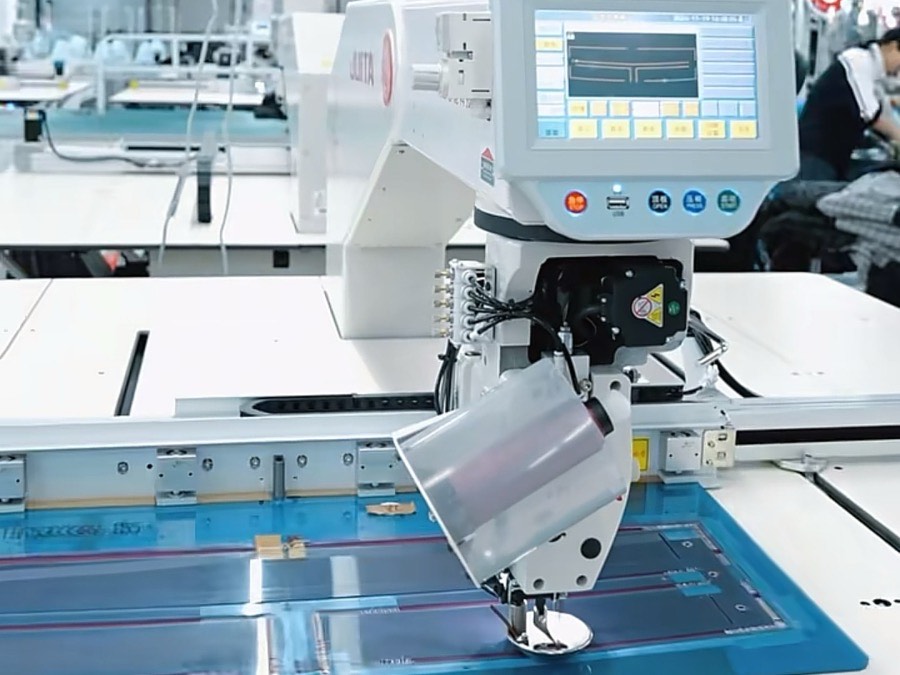
Our Factory
PRP Apparel operates out of the same address in Humen Town, Dongguan that Andy Yu opened in June 2015, after running the export department at OMJ Fashion for two years first. Eleven years later it’s still one site, not a network of subcontracted workshops that changes depending on who’s available that week. Cutting, sewing, and finishing run in sequence under one roof, which is also why a problem in sewing gets caught before it reaches packing instead of showing up in a customer’s inspection report. The fuller version — how the factory is organized, what Andy did before starting it — is on the About Us page rather than repeated here.
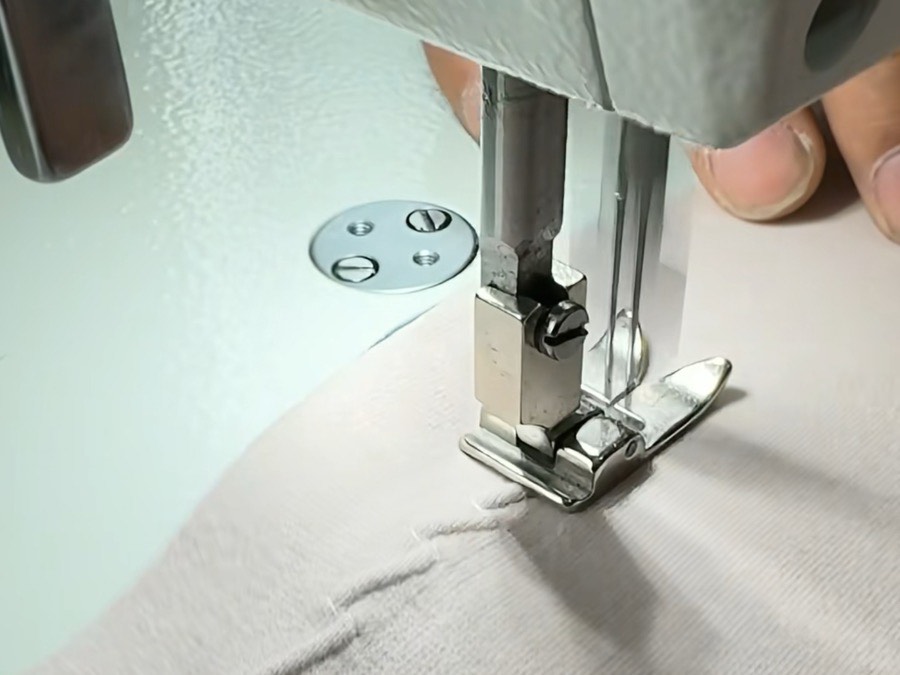
Team
The people running your order aren’t a rotating cast of subcontracted labor — cutting, sewing, and QC are staffed by the same production team across orders, which is part of why repeat clients see fewer surprises on their third order than their first. Andy, the founder, still works the account side directly rather than handing every inquiry to a sales layer, so a question about your tech pack usually reaches someone who can actually change how it’s cut. We haven’t built a dedicated bios-and-headshots page yet — that’s an honest gap, not an oversight — so for now the fastest way to know who you’d be working with is to ask on the first call.
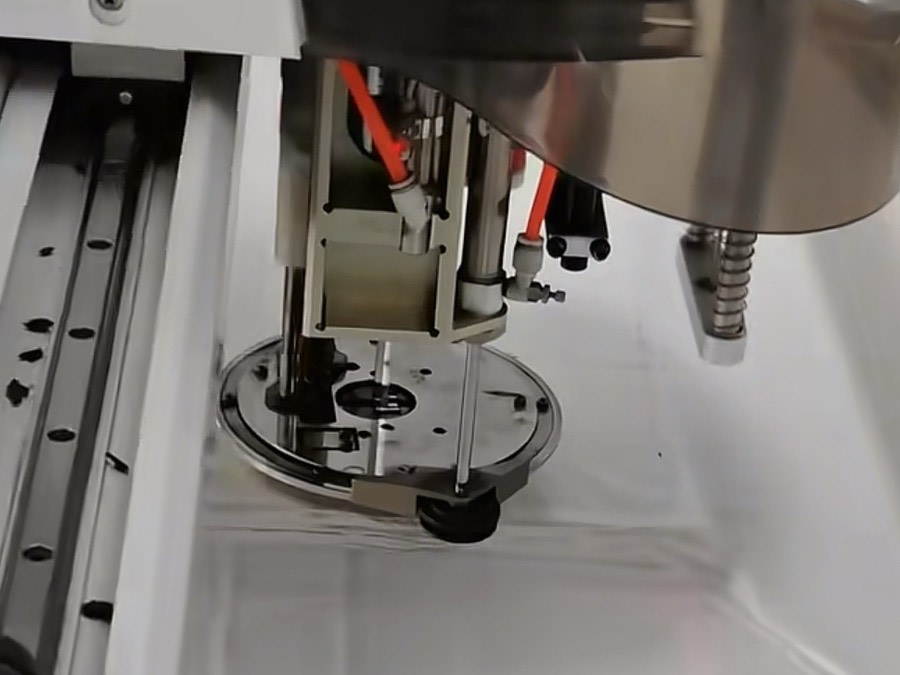
Certifications
Fabric across our product lines carries OEKO-TEX Standard 100 certification, meaning it’s tested for harmful substances against a recognized standard, not just a label we print because buyers expect to see one. rPET orders ship with GRS (Global Recycled Standard) documentation so a recycled-content claim on your packaging is backed by paperwork, not just a swatch that feels different. CPSC flammability compliance is available for children’s sleepwear sold into the US, and colorfastness testing (ISO 105-C06 for washing, 105-X12 for rubbing, 105-E04 for perspiration) can be run on request. None of this is an upsell — it’s built into how the fabric gets sourced in the first place.
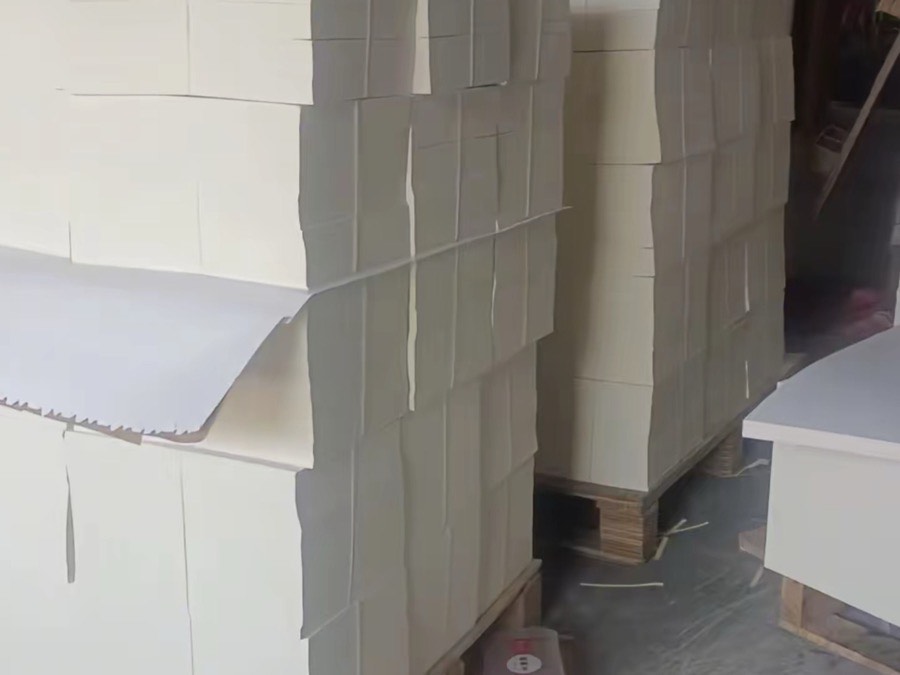
Production Capacity
We’d rather describe capacity by turnaround than throw out a units-per-month number that doesn’t mean much without knowing your style complexity. Standard lead time is 35-45 days from an approved sample to shipped bulk, with sample development running 12-15 days and usually 1-3 rounds before a buyer signs off. Per-unit cost drops 15-30% once an order clears 200 pieces, which is roughly where the fixed costs of setup start spreading across more units. If a deadline is tight, say so at quoting stage — we’ll tell you honestly whether it’s realistic instead of agreeing and letting the sample round slip.
Sustainability
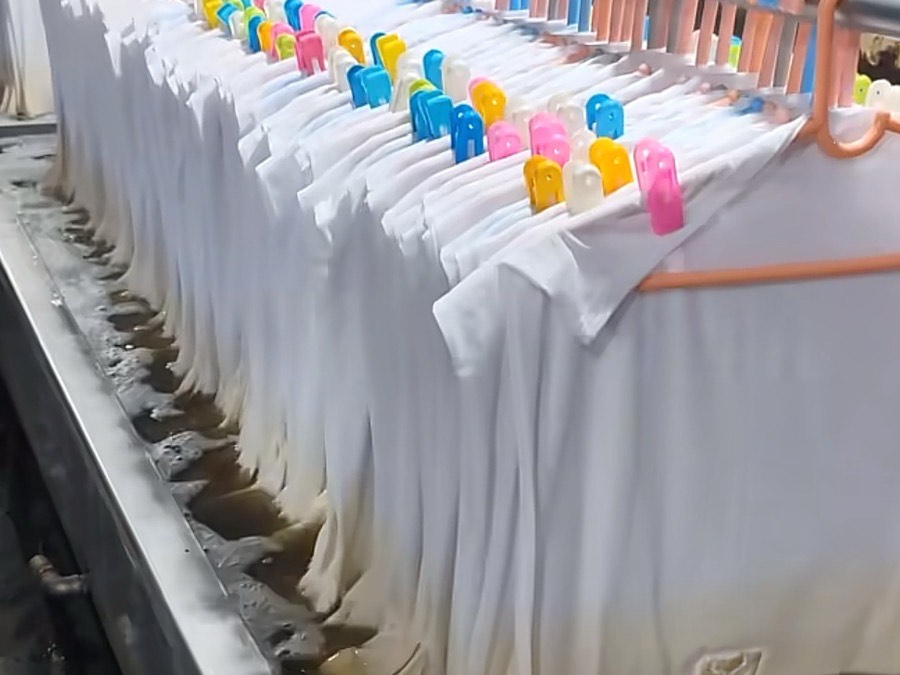
The sustainable side of what we cut is specific fabric choices, not a green logo added to the page: rPET recycled polyester with GRS chain-of-custody paperwork, organic cotton, and bamboo-derived viscose all run through the same lines as our standard fabrics. OEKO-TEX Standard 100 certification applies across the board, so switching to a lower-impact fiber doesn’t mean giving up the safety testing you’d get on a conventional order. We won’t claim a carbon-neutral factory or a zero-waste floor — those aren’t things we’ve measured or certified, and we’d rather say that plainly than let the page imply more than we can back up.
Quality System
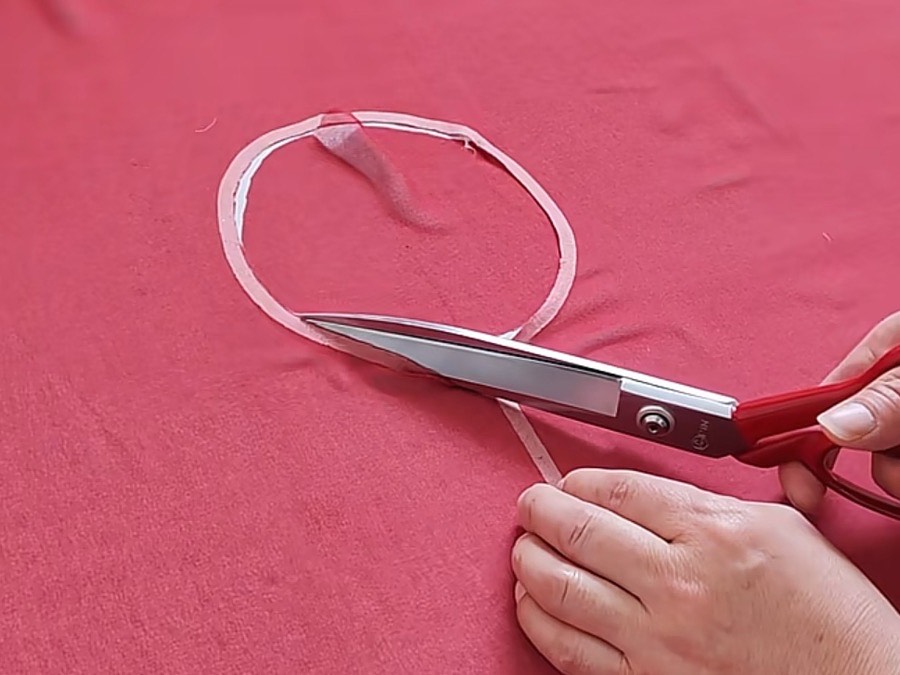
Every order gets checked against its own approved sample before it ships, not against a generic house standard — the PP (pre-production) sample you sign off on is the literal reference the QC line pulls out to compare against bulk. A recent 200-piece hoodie order for a US streetwear brand went from approved tech pack to shipped bulk in 20 days and passed pre-shipment AQL inspection matching the approved sample down to the stitch, which is the standard we aim to hit on every order, not just the ones we mention. If a batch doesn’t pass, it gets held and corrected before it ships — slower in the moment, cheaper than a container of returns.
Equipment
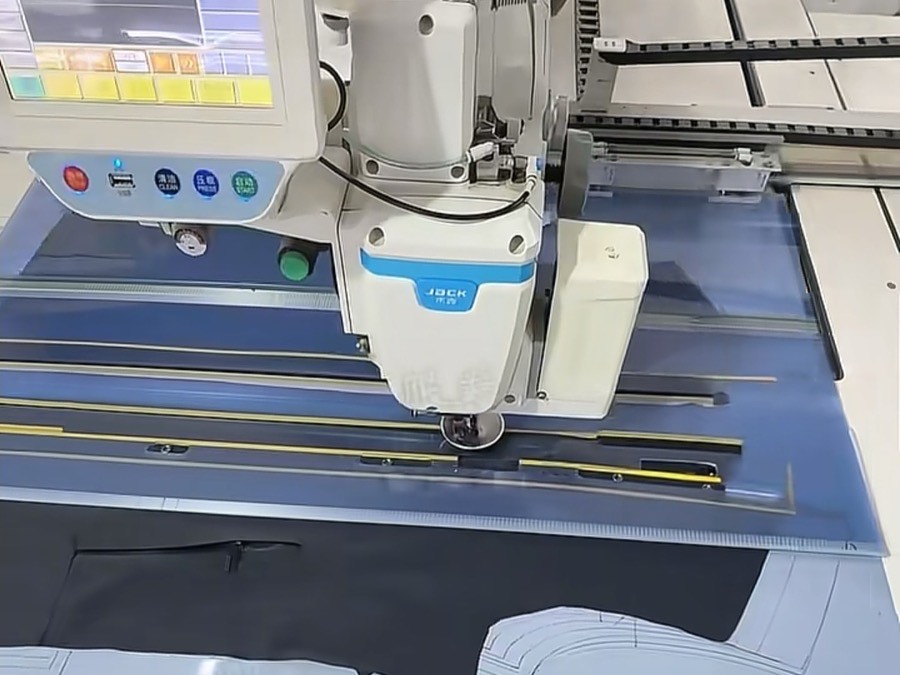
In-house equipment covers flatlock seaming, sublimation printing (AOP), pantone-matched solid dyeing, and bonded seam construction — the processes that most affect fit and finish stay on our own floor instead of getting routed to a subcontractor who isn’t answering to your timeline. Our computerized embroidery and sewing units are JACK-brand machines, run by operators who work the same equipment order after order rather than temp staff learning it fresh each time. Keeping construction in-house is also why a fit issue caught in sampling doesn’t require a phone call to a third party to fix — the same floor that sewed the sample can adjust it.
What Each Certification Actually Covers
None of these are marketing badges — each one is documentation issued by a specific testing body for a specific scope. Here’s what applies to what:
| Certification / Standard | What It Tests | Applies To |
|---|---|---|
| OEKO-TEX Standard 100 | Fabric tested for harmful substances against a recognized limit list | All product lines |
| GRS (Global Recycled Standard) | Chain-of-custody documentation for recycled content | rPET orders |
| CPSC Flammability | US flammability standard for children's sleepwear | Children's loungewear/pajama styles sold in the US |
| ISO 105-C06 | Colorfastness to washing | Available on request |
| ISO 105-X12 | Colorfastness to rubbing (crocking) | Available on request |
| ISO 105-E04 | Colorfastness to perspiration | Available on request |
Verifying Us Doesn't Have to Be a Leap of Faith
Everything on this page connects to something you can actually check. The certifications above tie back to the fabric sourcing described on our materials page, the commercial terms (MOQ, lead time, sample cost) are laid out in full on services, and the buyer journey from inquiry to shipped order is walked through step-by-step on manufacturing. If you want a structured way to check any China-based manufacturer — not just us — we wrote a general factory-auditing guide that applies whether or not you end up working with us.
What to Check Before You Send a Deposit
If you’re vetting us — or any factory — before committing money, these are the specific things worth asking for:
- Business license — ask for the registration number and check it against China’s National Enterprise Credit Information Publicity System; a real factory has nothing to hide here.
- A live video call of the actual floor — not a stock photo gallery, a walkthrough where you can ask to see a specific machine or a garment mid-production.
- The PP sample before bulk cutting starts — if a supplier wants to skip straight to bulk, that’s the single biggest red flag on this list.
- Certification documentation for your specific market — OEKO-TEX/GRS/CPSC paperwork, not just a logo on a webpage.
- Payment terms in writing — a typical structure is a deposit at order confirmation and balance before shipment; be wary of anyone asking for 100% upfront.
- A recent order example you can ask follow-up questions about — what shipped last month, not just what they claim to specialize in.
Questions Buyers Actually Ask Before Ordering
How long has PRP Apparel been in business?
Since June 2015 — Andy Yu founded it in Humen Town, Dongguan, after two years running the export department at OMJ Fashion. The factory has operated from the same address for the full eleven years, which is longer than most of the trading companies you’ll encounter claiming to represent a factory.
Is PRP Apparel a real factory, or a trading company that outsources?
A factory. Cutting, sewing, printing, and dyeing happen on our own floor in Humen Town — we’re not a sales office placing your order with whichever subcontracted workshop is free that week. Ask to see the floor on a video call if you want to confirm this yourself before ordering.
What certifications does PRP Apparel's fabric carry?
OEKO-TEX Standard 100 across our product lines, GRS documentation for rPET orders, and CPSC flammability compliance available for children’s sleepwear sold into the US. Colorfastness testing (ISO 105-C06, 105-X12, 105-E04) can be run on request. See the table above for what each one actually covers.
Can I visit the factory or request a video walkthrough?
Yes — a live video call showing the actual floor is one of the things we’d suggest asking for regardless of which manufacturer you’re vetting. In-person visits are possible too; ask on your first inquiry and we’ll work out timing.
What happens if my order doesn't pass quality inspection?
It gets held and corrected before it ships. Every order is checked against its own approved PP sample, not a generic standard, so a mismatch is caught on our side rather than showing up in your warehouse.
Does PRP Apparel work with startups, or only established brands?
Both — the 50-piece MOQ exists specifically so a first-time brand can place a real order without committing to volume they haven’t validated yet. Current clients range from first-run startups to repeat brands placing their tenth order.
Where is PRP Apparel located, and does that affect lead time?
Humen Town, Dongguan — inside the Pearl River Delta’s garment manufacturing zone, with direct access to fabric mills and trim suppliers in the local supply chain. That local access is part of why the standard bulk lead time holds at 35-45 days instead of stretching longer for regions without the same supplier density.
How do I verify PRP Apparel is legitimate before wiring a deposit?
Ask for the business license number, request a live video walkthrough of the floor, and insist on an approved PP sample before bulk cutting starts. Our full breakdown of how to vet any China-based manufacturer — not just us — is in the factory-auditing guide linked above.
Ready to See the Floor for Yourself?
The fastest way to move past a spec sheet is a direct conversation — send your product idea, target quantity, and any certification requirements, and we’ll tell you honestly whether it’s a fit.