
When a brand owner asks us what separates a genuinely sustainable clothing line from one that just uses the word, the answer almost always comes down to documentation. Not intentions, not marketing language — actual第三方认证 that proves the claims. Sustainable clothing certifications are the industry’s way of turning environmental and social commitments into verifiable facts.
What Sustainable Clothing Certifications Actually Verify
Certifications in the apparel industry cover two distinct areas: environmental impact and social compliance. A certification that validates fair wages doesn’t tell you anything about chemical use. A organic cotton certificate doesn’t guarantee safe working conditions. Understanding what each certification covers — and what it doesn’t — is the first step toward building a credible sustainable sourcing strategy.
Most brands we work with start by identifying the certifications that matter most to their end customers, then work backward to understand the supply chain changes required to qualify. That’s the practical order. Not the other way around.
The Major Certifications Every Apparel Brand Should Know
Global Organic Textile Standard (GOTS)
GOTS is currently the most widely recognized standard for organic textiles worldwide. It requires a minimum of 70% organic fibers and covers the entire supply chain from raw material to final packaging. Chemical inputs, wastewater treatment, and worker conditions all fall under GOTS requirements.
For a clothing manufacturer, achieving GOTS certification means your fabric supplier, dye house, and finishing facility all need to be GOTS-certified. It’s a supply chain commitment, not a single-facility one. Brands sourcing from China, India, Bangladesh, or Turkey commonly work with GOTS-certified factories for their organic lines.
OEKO-TEX Standard 100
OEKO-TEX Standard 100 tests finished articles for harmful substances. It’s not an organic certification — it’s a product safety certification. If a brand asks their manufacturer to provide OEKO-TEX certification, they’re asking for proof that the finished garment won’t cause skin irritation or contain prohibited chemicals above safe thresholds.
Unlike GOTS, OEKO-TEX is product-specific. Each article in a product line needs to be tested separately. This makes it more accessible for brands starting their sustainability journey, since you don’t need to certify the entire supply chain — just the final product.
Fair Trade Certified
Fair Trade certification focuses on social standards: living wages, safe working conditions, freedom of association, and community development funds. The premium paid by brands on Fair Trade certified products goes directly to workers through a Community Development Fund.
WRAP (Worldwide Responsible Accredited Production)
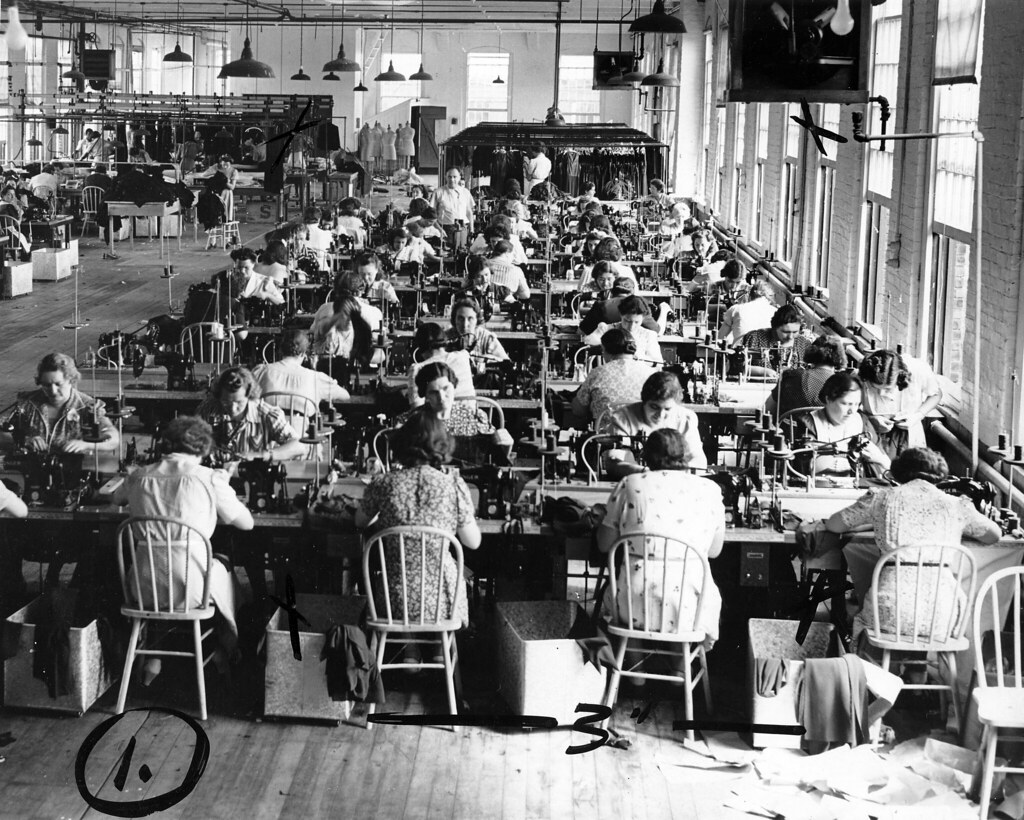
WRAP is a facility-level social compliance certification widely used in the garment industry. It focuses on legal compliance, wages and benefits, working hours, and health and safety. Many retailers require WRAP certification as a baseline before placing orders.
For brands working with manufacturers in Southeast Asia or South Asia, WRAP is often the starting point. It’s less comprehensive than Fair Trade but more accessible and faster to obtain. Think of it as the entry-level social compliance certification.
Recycled Claim Standard (RCS) and Global Recycled Standard (GRS)
RCS and GRS verify the presence and amount of recycled materials in a product. GRS goes further by also requiring social and environmental compliance at each stage of processing. Both are increasingly important as brands make public commitments to using recycled fibers in their collections.
For a manufacturer producing activewear or streetwear with recycled polyester, GRS certification is often requested by European and North American brands. The certification chain from recycled material supplier through to the finished garment must be documented at each stage.
How to Work With Your Manufacturer on Certification
The certification process always starts at the facility level. Your clothing manufacturer needs to be audited and certified before they can put certified products in your orders. You can’t simply request a certification and have it apply retroactively to existing inventory.
When we work with brands on private label programs that require specific certifications, we map out the supply chain first. Which facilities are involved? Do those facilities hold the required certifications? If not, what’s the timeline and cost to obtain them? In many cases, the most common bottleneck is the fabric mill, not the garment factory itself.
Most certifications require annual renewals and random inspections. Building a relationship with a manufacturer who understands these requirements makes the process significantly smoother. Manufacturers who have handled certified orders before know how to manage the documentation and audit process without constant hand-holding.
Avoiding Greenwashing: What Certifications Don’t Tell You
A certification is only as reliable as the audit system behind it. Self-declared claims carry no weight in B2B apparel sourcing. If a supplier claims their products are “eco-friendly” or “sustainable” without pointing to a specific third-party standard, treat that as a marketing claim, not a verified fact.
The most common greenwashing trap in clothing sourcing is using a single certified component — say, organic cotton fabric — while ignoring the environmental impact of dyeing, finishing, or shipping. A GOTS-certified fabric doesn’t automatically make a garment GOTS-certified. The whole supply chain has to qualify.
Building a Certification Roadmap for Your Brand
Most established apparel brands we work with take a phased approach. They start with one or two certifications that align with their product category and customer expectations, then expand as the program matures. Trying to achieve every certification simultaneously is expensive and often counterproductive.
For activewear and sportswear brands, OEKO-TEX and GRS are typically the highest priority. For casualwear and streetwear brands with a sustainability narrative, GOTS and Fair Trade carry more weight with conscious consumers. For luxury or premium basics, the organic claim combined with a transparent supply chain audit tends to resonate most.
Whatever certifications you pursue, make sure your manufacturer can provide the documentation your marketing team needs to make legitimate claims. The brands that get into trouble are the ones that use certified components without understanding the chain of custody required to make a certified claim in their marketing materials.
Frequently Asked Questions
What are the most important sustainable clothing certifications for apparel brands?
The most widely recognized certifications are GOTS for organic textiles, OEKO-TEX Standard 100 for product safety, Fair Trade for social compliance, and GRS or RCS for recycled content. Which one matters most depends on your product type, target market, and customer expectations.
How do I know if my clothing manufacturer actually holds a certification?
Request a copy of the certificate directly from your manufacturer and verify it on the issuing organization’s public database. Each major certification body — GOTS, OEKO-TEX, Fair Trade — maintains an online database of certified facilities that you can cross-check.
Can a manufacturer add certifications after my order is placed?
Certifications apply to future production, not orders already in progress. If you need a specific certification for your line, discuss it with your manufacturer before samples are confirmed. The audit and documentation process typically takes 3 to 6 months for most standards.
What is the cost difference between certified and non-certified clothing production?
Certification adds cost at every stage of the supply chain. Organic or recycled fabric typically costs 15-30% more than conventional equivalents. Social compliance certifications like Fair Trade add a per-unit premium that goes to workers. Overall, expect a 10-25% increase in unit cost depending on how many certifications apply to your product.
How do sustainable certifications affect private label branding?
Certifications give your private label legitimate environmental or social claims to make in your marketing. Without third-party verification, those claims are legally risky in many markets and increasingly scrutinized by consumers. A certified product line also tends to command better shelf placement with retailers focused on sustainability.
Related Reading
- Tech Pack Creation: The Complete Guide for Apparel Brands
- The Rise of Private Label Clothing Manufacturing in Dongguan: Why OEM/ODM Is Your Best Choice
- What Goes Into the Cost of a Garment? A Factory Pricing Breakdown for Clothing Brands
Related Manufacturing Services
Ready to Start Your Clothing Project?
- MOQ from 50 pieces per style
- OEM and private label production
- Sample development support
- Fabric sourcing
- Quality inspection before shipment
- Worldwide shipping support