
Building a clothing brand means putting your production into someone else’s hands. The factory you choose will determine whether your quality stays consistent, your timeline holds, and your reputation stays intact. That’s why a proper factory audit matters before you sign any agreement.
A factory audit is a structured assessment of a manufacturer’s capabilities, processes, and compliance. It tells you what’s actually happening on the production floor—not just what the sales rep promises in an email. For apparel brands sourcing from Asia, especially China, auditing isn’t optional. It’s how you protect your investment.
Why Factory Audits Exist
Brands lose money when they skip audits. Late shipments, failed quality checks, cancelled orders—these aren’t rare events. They’re common outcomes when brands trust a factory based on a website and a sample pack. A factory audit catches the problems before you commit to a production run.
Audits also protect your brand reputation. A single bad batch that reaches your customers can mean returns, chargebacks, and lost repeat buyers. Factory auditing gives you a baseline. You know what合格 means for that specific facility, and you can hold them to it.
For B2B clothing buyers, audits serve another purpose: negotiation leverage. When you document a factory’s weaknesses, you can negotiate better pricing, longer lead times, or stricter quality clauses into your contract.
What Gets Checked During an Apparel Factory Audit
A factory audit covers several operational areas. Not every audit checks everything—the scope depends on your product type, order volume, and risk tolerance—but the core areas stay consistent.
Facility and Production Capacity
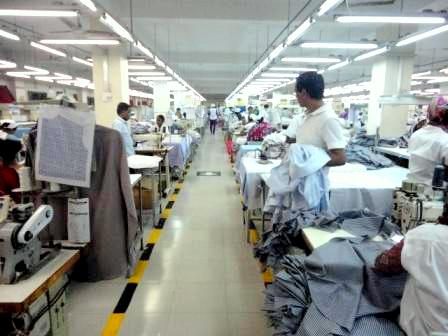
Auditors look at the physical space. How many production lines are active? What’s the monthly capacity? Is the machinery modern enough for your fabric types? A factory might look busy on video but lack the specific equipment your order needs. Size and age of machines matter. So does the facility layout—poor flow creates bottlenecks that delay orders.
Quality Management Systems
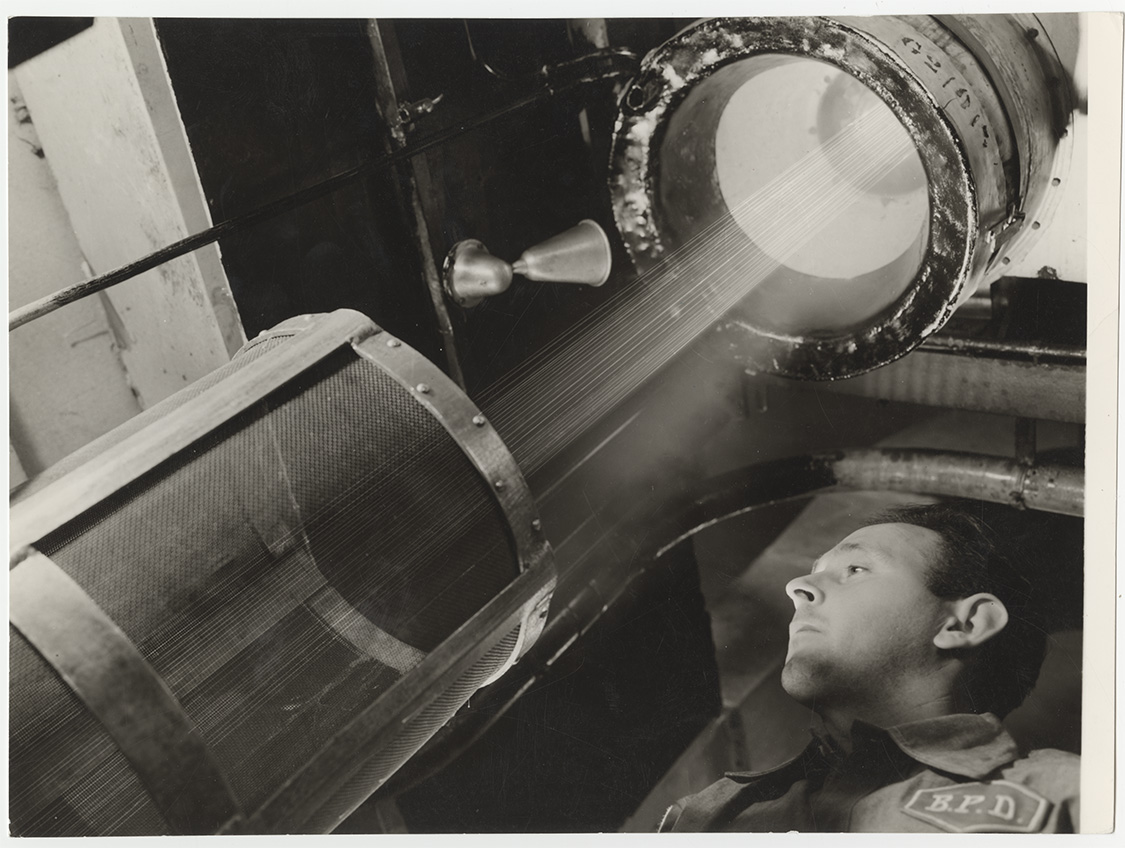
Ask to see their QC documentation. Good factories run inline inspections during cutting, sewing, and finishing. They keep records of defect rates by production batch. A factory without a documented QC process will produce inconsistent results. Ask how they handle returns or defects discovered after shipment. The answer tells you how seriously they take quality.
Social Compliance and Labor Practices
Labor audits check for underage workers, forced overtime, and unsafe conditions. Brands selling in the EU, UK, or US market face increasing pressure to demonstrate supply chain transparency. A factory that refuses a social compliance audit—or fails one—should be a red flag. This isn’t just ethics. It’s your supply chain risk.
Material Sourcing and Storage
Where do their fabrics come from? Do they source trims and accessories from verified suppliers? How is grey fabric stored before cutting? Fabric degradation from improper storage ruins production quality before a single seam is sewn. Walk their warehouse. Check dates on fabric rolls. Ask to see their component approval records.
How to Run a Factory Audit
You have two main options: go yourself, or hire a third-party inspection service.
First-hand audits give you the best picture. You see the facility as it operates on a normal day, not a scheduled visit designed to impress visitors. If you’re launching a premium line or placing large orders, visiting in person is worth the travel cost. Bring a checklist. Photograph the production floor, storage areas, and finished goods staging zones.
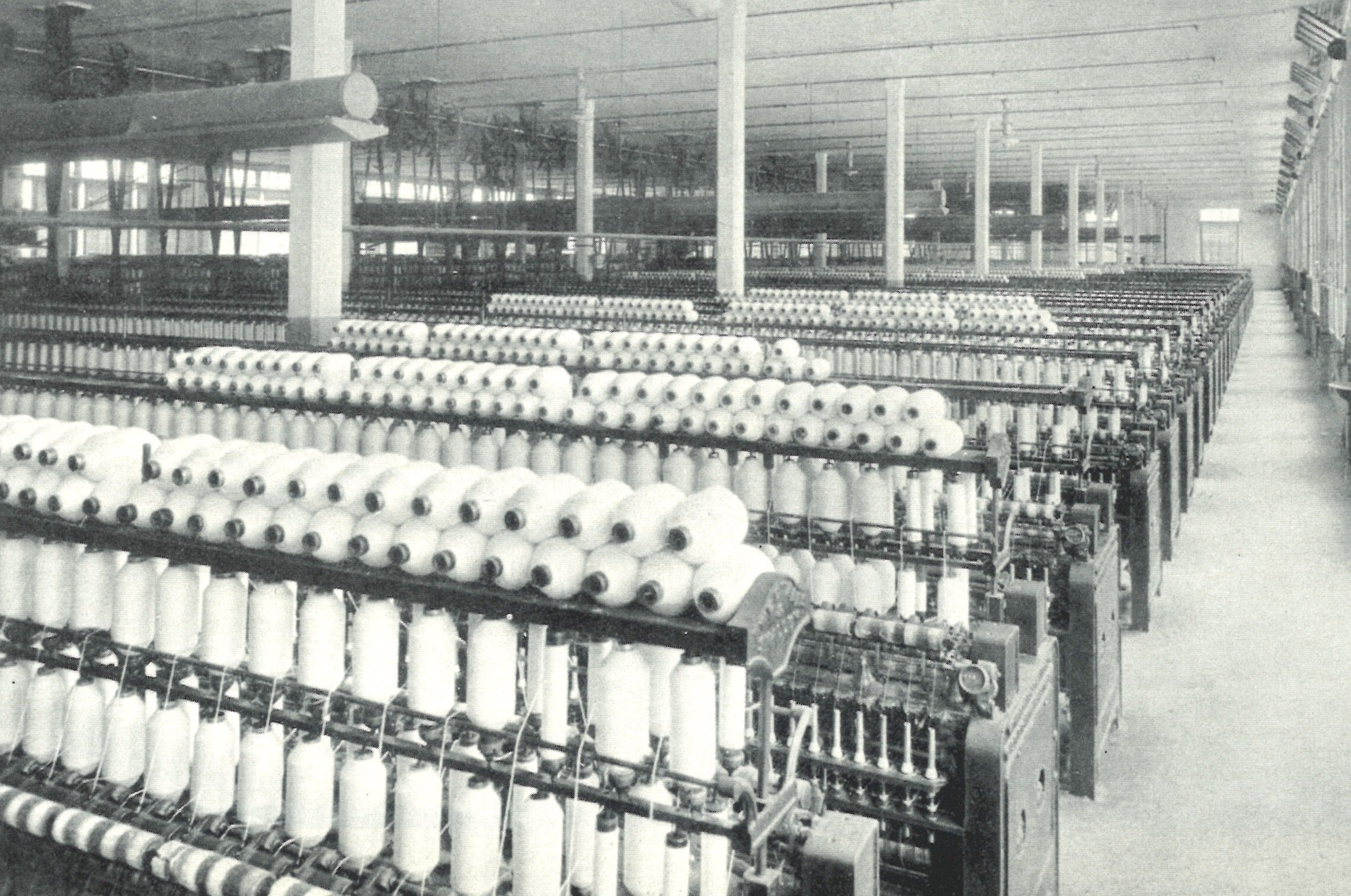
Third-party services work when you can’t travel or need coverage across multiple facilities. Companies like QIMA, Bureau Veritas, and SGS offer standard garment factory audits with detailed reports. These services send qualified inspectors who know what to look for in apparel production. Reports typically include photos, capacity data, compliance scores, and risk ratings.
What to Do With Your Audit Results
An audit report is only useful if you act on it. After receiving results, compare the factory’s actual performance against your product requirements. A factory might score well overall but fall short in one area that matters specifically for your line—embroidery capacity, sustainable dyeing processes, or certain fabric experience.
Use audit findings to structure your contract. If a factory has a documented weakness in finishing inspection, build in extra finishing-stage checkpoints and specify defect tolerances in writing. If capacity is borderline, negotiate a lower MOQ with a longer lead time to reduce their scheduling pressure.
Audit results also help you rank suppliers. If you’re evaluating three factories, audit scores give you a data-backed comparison. Don’t choose purely on price. A slightly higher unit cost from a well-audited factory with documented quality processes usually beats a cheaper option with no audit history.
How Often Should You Re-Audit?
Factories change. Staff turnover, machinery upgrades, capacity shifts—these happen continuously. An audit isn’t a one-time pass. For active suppliers, re-audit at least once a year. Re-audit immediately if you notice quality drops, repeated delays, or a change in ownership or management.
If you’re transitioning from one factory to another, audit the new facility before moving production. Moving orders without auditing the receiving factory is how brands end up with disaster production runs they can’t recover from.
Frequently Asked Questions
What is a factory audit for apparel sourcing?
A factory audit is a structured assessment of a clothing manufacturer’s facilities, production capacity, quality control systems, and compliance practices. It helps B2B buyers verify that a factory can reliably produce their orders before signing contracts or placing production runs.
Can I do a factory audit myself, or do I need to hire a service?
You can conduct your own audit if you have production knowledge and can travel to the facility. Many brands send their own QA staff for first-hand evaluation. If that’s not possible, third-party services like QIMA or Bureau Veritas provide professional garment factory audits with detailed written reports and photos.
What happens if a factory fails its audit?
A failed audit doesn’t necessarily mean walking away. It means you have documented evidence of the factory’s weaknesses. You can use these findings to negotiate tighter quality controls, request a probationary production run with reduced order quantities, or require specific improvements before committing to larger volumes.
How long does a garment factory audit take?
A standard apparel factory audit typically takes one to two days on-site, depending on facility size and audit scope. The full process—including report preparation and review—usually takes five to ten business days. Remote audits can be faster but provide less visibility into actual production conditions.
What should I check first when auditing a clothing factory?
Start with production capacity and quality management systems. Ask to see their current order book to verify capacity claims. Then check their QC documentation process—how they record defects, handle rework, and approve finished goods. These two areas tell you whether the factory runs organized production and maintains consistent quality standards.
For brands that can’t travel, remote video audits have become more common since 2020. A factory representative walks the production floor on a live video call while you observe and ask questions. It’s not as reliable as being there in person—facilities can clean up problem areas before the call, and you can’t inspect equipment closely—but it’s better than nothing. Document the video call with your own notes and screenshots for your records.
The audit scope should match your product complexity. A simple T-shirt order needs a lighter audit scope than a technical outerwear line with waterproof membranes and specialty trims. Tell the auditor or inspection service exactly what you’re making. They need to know which production processes to pay attention to. A factory that sews t-shirts beautifully might struggle with the bonding or lamination processes used in performance outerwear.
Documentation matters. Request a written audit report, not just a verbal summary. The report should include photos, capacity data, compliance certificates, and specific findings. Keep this document in your supplier file. When your order goes wrong—and at some point it will—you’ll want that documentation to reference what was promised versus what was delivered.
A factory audit isn’t a guarantee of smooth production. But it’s the best risk mitigation tool available before you commit to a run. Brands that build supplier auditing into their sourcing process consistently report fewer quality surprises, more predictable timelines, and stronger negotiating positions with their manufacturing partners.
Related Reading
- PRP Apparel’s Factory, Certifications & Track Record
- Leather Goods Manufacturer for Fashion Brands: What to Verify Before You Order
- Garment Quality Control: A Practical Guide for B2B Clothing Brands Sourcing From China
- Garment Sampling Process: From Proto to PP Sample Approval
- How to Negotiate MOQ with Clothing Manufacturers (Without Losing Your Shirt)
Related Manufacturing Services
Ready to Start Your Clothing Project?
- MOQ from 50 pieces per style
- OEM and private label production
- Sample development support
- Fabric sourcing
- Quality inspection before shipment
- Worldwide shipping support