
A Melbourne streetwear brand sent PRP Apparel a rejected sample from a previous supplier: a longline tee that measured 28 inches in body length on the tech pack but shrank to just under 26 inches after a single wash, throwing off the drop-shoulder proportions the whole design depended on. The same brand had ordered ringer tees from a different factory that used dyed-to-match jersey instead of genuine rib-knit trim at the collar and cuffs, a substitution customers spotted the day the drop went live. Finding a longline and ringer tee manufacturer that gets both the body-length math and the trim construction right takes more scrutiny than sourcing a standard crew neck.
Both styles look simple on a flat sketch. In production, they rank among the more failure-prone garments in the T-shirt category, since the details that define each silhouette are exactly what a rushed factory cuts corners on first.
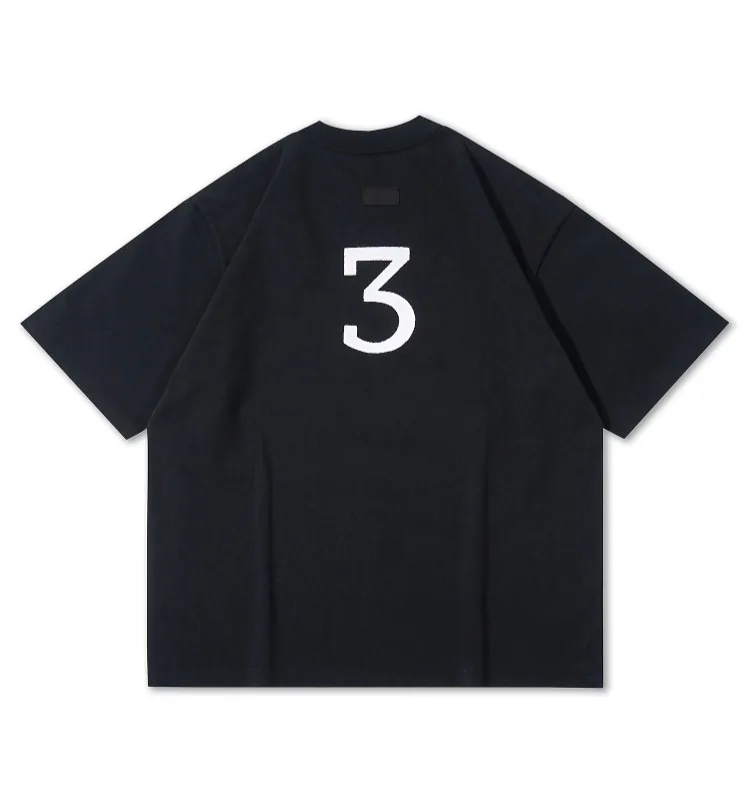
What Separates Longline and Ringer Tees From a Standard Crew Neck
A standard crew neck tee is built to a body length of roughly 27–29 inches for a men’s medium, with the shoulder seam sitting at the natural shoulder point. Longline and ringer tees change two different variables, and conflating them is the most common sourcing mistake brands make when writing a tech pack.
Longline tees extend the body length, typically 2–4 inches beyond a standard crew, and usually pair that extra length with a dropped shoulder seam that sits partway down the upper arm. Ringer tees change a different variable entirely: a standard or fitted body length paired with contrast-color rib-knit trim at the collar and sleeve cuffs. The two constructions can be combined, but most tech packs specify one or the other, and a factory that assumes they’re interchangeable will produce the wrong garment.
For brands already working from PRP Apparel’s oversized t-shirt manufacturer guide, the distinction matters: an oversized tee prioritizes width and boxiness across the whole body, while a longline tee prioritizes length with a narrower, more tailored body. They use overlapping construction techniques but solve for different proportions.
Drop-Shoulder Seam Placement and Extended Body Length
Drop-shoulder construction moves the sleeve seam 1–3 inches down from the natural shoulder point, which is what lets a longline tee hang with a relaxed, elongated line instead of pulling tight across the chest. The seam drop has to be specified in the tech pack as an exact measurement, not a vague “dropped” note, because a factory left to interpret it will default to whatever their existing pattern block uses.
Body length is the second variable, and it is the one that fails most often after the first wash. Untreated cotton jersey can relax-shrink 5–7% in length if the fabric was not compacted or sanforized at the mill before cutting. On a 30-inch longline body, that is up to 2 inches of shrinkage, enough to change how the garment sits relative to the wearer’s hips. Request a pre-shrunk or compacted fabric spec in writing, and ask for the post-wash measurement on the pre-production sample, not just the as-cut measurement.
Contrast Rib-Knit Trim Attachment for Ringer Tees
The ringer tee’s defining feature is the contrast collar and cuff trim, and there are two ways a factory builds it. The correct method uses a genuinely different-colored rib-knit fabric, knitted separately and attached at the collar and sleeve hem with a coverstitch or bound seam. The shortcut method dyes or prints a contrast band directly onto matching jersey, which looks similar in a product photo but reads as flat and slightly stiff in person, and it will not have the stretch recovery of true rib knit.
Ask for a swatch of the trim fabric separate from the body fabric before sampling starts. Genuine rib knit has visible vertical ribbing and stretches significantly more in the crosswise direction than the tee’s body jersey. If a factory can’t produce a separate trim swatch, they are likely planning to use the dyed-jersey shortcut.
Fabric Weight and GSM Selection
Fabric weight should follow the silhouette, not a single house standard. Ringer tees traditionally run lighter, 140–180 GSM, because the style depends on a soft drape that lets the contrast trim stand out without adding bulk. Longline tees run slightly heavier, 180–220 GSM, since the extended body length needs enough structure to hang cleanly rather than clinging or twisting. Both ranges sit below the 220–260+ GSM range PRP Apparel uses for oversized, boxy-fit tees, where the heavier hand supports a wider, structured silhouette. For a full breakdown of how weight interacts with fiber blend and construction across categories, PRP Apparel’s fabric types and GSM guide covers the underlying fiber and knit differences in more depth.
100% ring-spun cotton gives the softest hand and cleanest print surface, but it is the fabric most prone to the shrinkage problem described above. A 95/5 cotton-spandex blend adds enough recovery to keep a longline hem from sagging out of shape, and a cotton-poly blend (60/40 or 50/50) reduces shrinkage risk further at a small cost to the natural cotton feel. Bamboo-cotton blends are also available for brands positioning either style around a softer hand or a sustainability angle.
Hem and Side-Vent Construction
Longline tees typically use one of three hem finishes: a straight single-needle hem for a minimal look, a curved hem that drops slightly longer at the sides, or side vents, small unstitched openings at the hem that let the garment move without pulling. Side vents are close to mandatory past 30 inches of body length, since without them the extended hem restricts movement and distorts the drape.
Ringer tees almost always use a standard straight hem, since the style’s visual interest sits at the collar and cuffs, not the hem. A factory proposing side vents or a curved hem on a ringer tee is likely applying a longline pattern block by default rather than building to the ringer-specific spec.
Verifying a Factory’s Longline and Ringer Tee Claims
A factory quoting both styles from the same base pattern, with the same GSM and the same trim options, is a warning sign. Ask for two separate spec sheets and two separate pre-production samples, one per silhouette, and check that the shoulder-seam placement and hem construction differ between them as described above.
For ringer tees specifically, request the rib-knit trim’s stretch and recovery data, or ask that it be tested to ASTM D2594, the standard test method for stretch properties of knitted fabrics having low power. Rib-knit collar and cuff trim that lacks adequate recovery will loosen and gap after a handful of washes, which is one of the most common return complaints on ringer-style garments.
For longline tees, confirm the pre-production sample’s body length after one home wash cycle, not just as it arrives from the factory. A factory unwilling to provide a washed sample, or one that pushes back on the request, is signaling that they have not tested the fabric’s shrinkage behavior themselves.
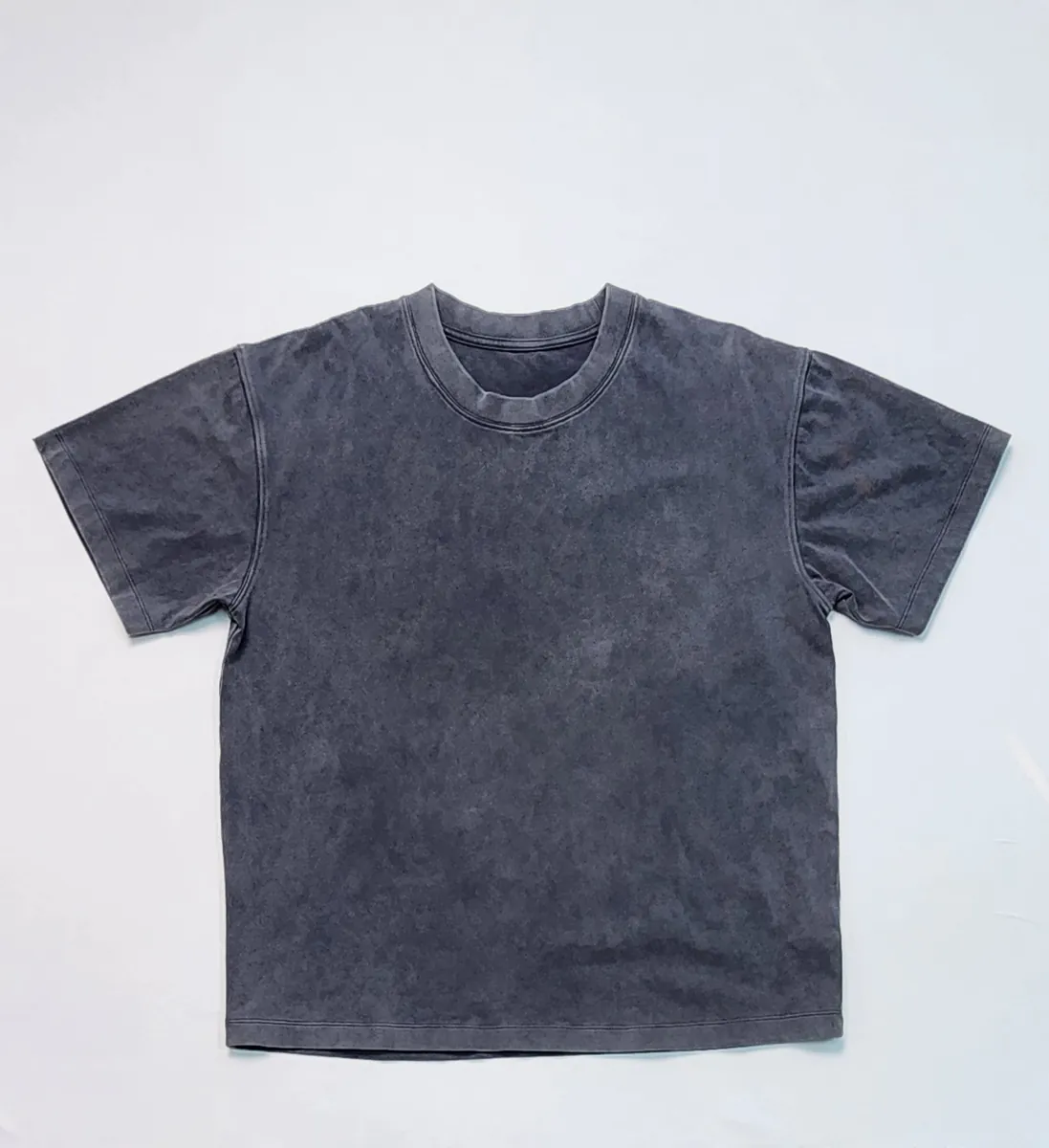
Comparing T-Shirt Silhouettes
| Style | Body Length vs. Standard | Shoulder Construction | Typical GSM | Key Detail |
|---|---|---|---|---|
| Standard crew neck | Baseline (27–29 in., men’s M) | Natural shoulder seam | 140–200 GSM | Simple, versatile base style |
| Ringer tee | Standard to slightly fitted | Natural shoulder seam | 140–180 GSM | Contrast rib-knit collar and cuffs |
| Longline tee | +2–4 in. over standard | Dropped shoulder seam | 180–220 GSM | Extended hem, often side-vented |
| Oversized tee | +3–6 in. width, boxy | Dropped shoulder seam | 220–260+ GSM | Wide body, heavier structured hand |
Brands sourcing a crop top manufacturer or a polo shirt manufacturer for the same collection should note that both use closer-fitting body constructions than longline, but share the same underlying fabric and trim sourcing considerations covered here.
PRP Apparel’s Longline and Ringer Tee Capability
PRP Apparel produces both longline and ringer tees at its Dongguan facility, starting at 50 pieces per style, the same genuine per-style minimum used across every category the factory manufactures. Rib-knit trim for ringer styles is sourced and knitted separately from the body fabric, not dyed or printed to match, and drop-shoulder seam placement on longline styles is built to the exact measurement specified in the tech pack rather than an in-house default pattern block.
Fabric options across both styles include 100% ring-spun cotton, cotton-poly blends, and bamboo-cotton blends, all available with OEKO-TEX Standard 100 certified fabric. Sample lead time runs 12–15 days from order confirmation, with bulk production shipping 35–45 days after the sample is approved. Brands still working out order quantities across multiple styles should review PRP Apparel’s guide on how to negotiate MOQ with clothing manufacturers before finalizing a purchase order, since per-style versus per-colorway minimums affect longline and ringer orders the same way they affect any other category.
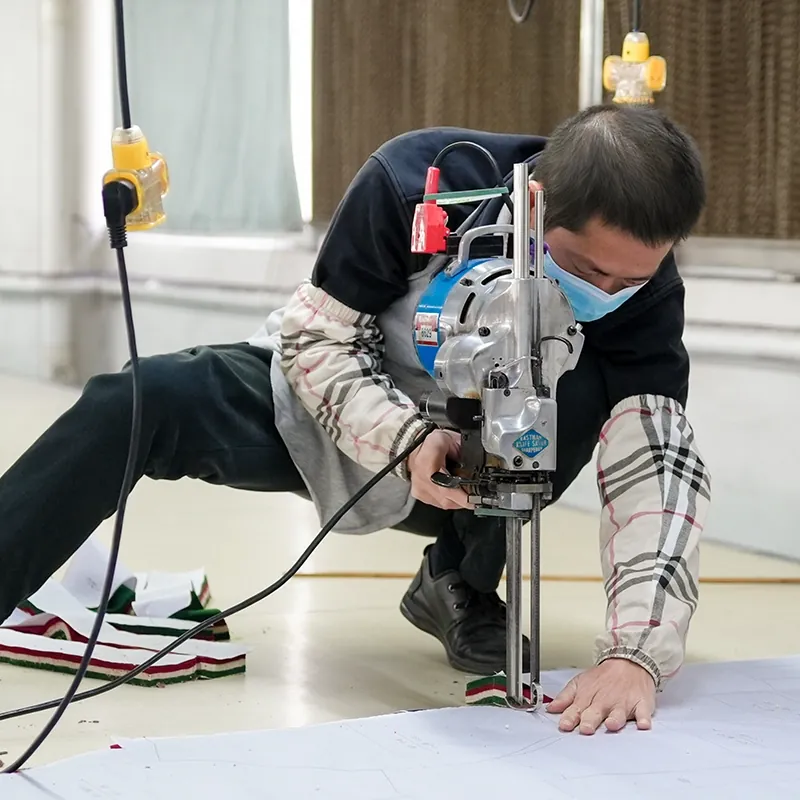
Summary: Longline and Ringer Tee Specs at a Glance
| Spec | Ringer Tee | Longline Tee |
|---|---|---|
| MOQ | 50 pieces per style | 50 pieces per style |
| GSM range | 140–180 GSM | 180–220 GSM |
| Fabric options | Cotton, cotton-poly, bamboo-cotton | Cotton, cotton-poly, bamboo-cotton |
| Defining construction | Contrast rib-knit collar and cuffs | Dropped shoulder, extended hem, side vents |
| Price at 50 pcs | $7–$12/unit | $7–$12/unit |
| Sample lead time | 12–15 days | 12–15 days |
| Bulk lead time | 35–45 days | 35–45 days |
Pricing for both styles falls within the same $7–$12 per-unit range PRP Apparel quotes on standard-weight T-shirt construction, lighter than the $8–$14 range for heavier 240 GSM oversized graphic tees. Ringer tees typically land at the upper end of that range because the contrast rib-knit attachment adds a sewing step that a single-fabric longline tee does not require.
Frequently Asked Questions
What’s the difference between a longline tee and an oversized tee?
A longline tee adds length, typically 2–4 inches over a standard crew neck, while keeping a relatively narrow body. An oversized tee adds width and overall boxiness across the entire garment. Both often use a dropped shoulder seam, but a longline tee is built for an elongated line and an oversized tee is built for a wide, structured silhouette.
What GSM is best for a ringer tee?
140–180 GSM works best for ringer tees. The lighter weight keeps the body fabric soft enough to drape naturally while letting the contrast rib-knit trim at the collar and cuffs stand out without adding bulk to the overall garment.
What is the minimum order quantity for custom longline or ringer tees?
PRP Apparel’s MOQ is 50 pieces per style, applied the same way to longline and ringer tees as to every other category. This is a per-style minimum, not a combined minimum across multiple styles or colorways, and that structure should be confirmed in writing with any factory before ordering.
How is genuine rib-knit trim different from a dyed-to-match contrast band?
Genuine rib-knit trim is knitted as a separate fabric with visible vertical ribbing and attached at the collar and cuffs with a coverstitch or bound seam. A dyed-to-match band is printed or dyed directly onto the same jersey as the body, which looks similar in photos but lacks the stretch and recovery of true rib knit and tends to look flat in person.
Why did my longline tee shrink after the first wash?
Untreated cotton jersey can relax-shrink 5–7% in length if it wasn’t compacted or sanforized at the fabric mill before cutting. On a longer body length, that shrinkage is more visible and can change how the garment fits relative to the wearer’s hips. Request pre-shrunk or compacted fabric and a post-wash measurement on the pre-production sample to catch this before bulk production.
Do longline tees need side vents?
Side vents become close to necessary once body length extends past roughly 30 inches. Without them, the extended hem restricts movement when the wearer sits or reaches overhead, and the fabric can twist or pull rather than hanging cleanly.
To discuss a longline or ringer tee project, including fabric weight, trim construction, and sizing across a full run, reach out directly via the inquiry form at PRP Apparel’s contact page.
Related Reading
Related Manufacturing Services
Products We Manufacture
Ready to Start Your Clothing Project?
- MOQ from 50 pieces per style
- OEM and private label production
- Sample development support
- Fabric sourcing
- Quality inspection before shipment
- Worldwide shipping support