
Walk into any major retailer and pick up a garment from the rack. What makes one brand feel legitimate and another feel like a cheap afterthought? Nine times out of ten, it is not the fabric weight or the stitching density. It is the labels and packaging. These small details signal to customers that someone cared enough to think through every touchpoint of their experience with the product.
For apparel brands sourcing from manufacturers, getting labels and packaging right is not optional. It is the difference between a product that commands respect on the shelf and one that gets returned to sender. This guide walks through what goes into custom labels and packaging for apparel brands, what to specify when working with a factory, and how to avoid the mistakes that cost growing brands time and money.
What Custom Labels Actually Mean for Your Brand
Every label on a garment is a communication device. The brand label tells the customer who made this and where. The size label tells them it fits. The care label tells them how to keep it looking good. When any of these elements is missing, wrong, or cheaply made, it erodes trust in the product.
Custom labels allow you to control that narrative completely. You decide the material, the printing method, the placement, and the finish. A woven label with your logo feels different from a printed heat-transfer tag. A satin care label feels different from a rough polyester one. These choices accumulate into an overall perception of quality that customers associate with your entire brand.
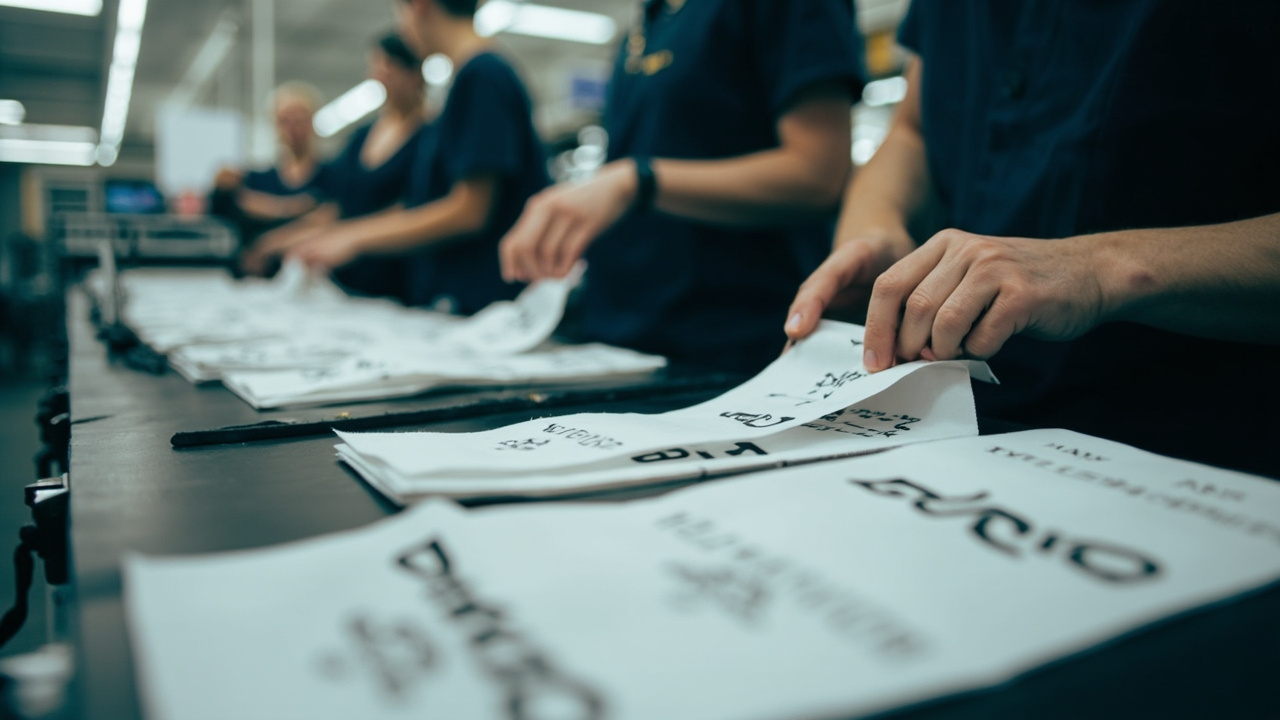
The Main Types of Labels You Need to Know
Before talking to a manufacturer, understand the basic categories of labels used in apparel production.
Woven labels are made by weaving threads into a fabric. The design is part of the textile itself, which makes woven labels extremely durable. They do not fade, peel, or crack over time. Most premium brands use woven labels for the main brand tag because they hold up through hundreds of wash cycles and still look crisp.
Printed labels are produced using screen printing or digital printing directly onto a fabric substrate. They are faster to produce and cheaper at lower quantities. Printed labels work well for care content, size tags, and secondary branding elements where durability is less critical than cost efficiency.
Satin labels have a smooth, shiny surface that feels premium against the skin. They are commonly used for inner waistband labels in premium denim and intimate apparel. Satin is soft enough to wear directly against the body without irritation, making it a practical choice for products where the label sits inside a waistband or collar.
Heat-transfer tags use a heat press to transfer printed content directly onto the garment. They eliminate the need for a separate tag entirely, which creates a cleaner look. However, heat transfers can degrade faster than woven or printed labels, particularly after repeated washing in commercial laundry environments.
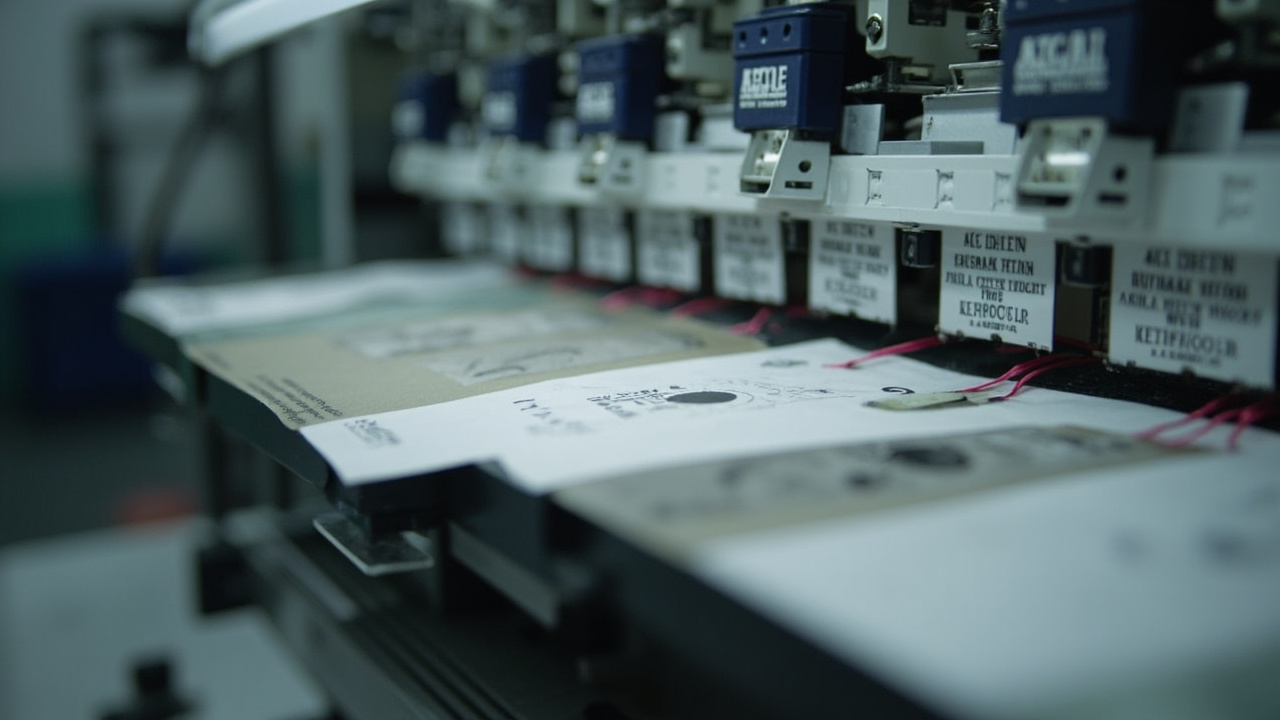
What to Include on Your Labels
Different markets have different regulatory requirements for apparel labels. Know these before finalizing your label content.
In the United States, the Textile Fiber Products Identification Act requires a label showing the fiber content of each component of the garment, the country of origin, and the identity of the company responsible for the labeling. Care instructions must also be present if the garment will be dry cleaned or washed. The FTC enforces these rules and issues citations for non-compliant labels.
In the European Union, the REACH regulation restricts certain chemical substances in textiles. Your labels must include fiber content and origin information that meets EU standards. Some product categories also require specific warning labels depending on the age group they target.
Beyond regulatory requirements, your label content should include your brand name and logo, the garment style or product name, size and fit information, fiber composition percentages, country of manufacture, and care instructions in the language of your target market.
Packaging Options That Actually Matter
Packaging for apparel goes beyond the bag or box you ship the product in. It starts at the individual garment level and extends all the way to the retail-ready presentation.
Individual garment packaging typically uses polybags, tissue paper, or custom brand wraps. Polybags protect the garment during shipping and can be pre-printed with your logo or include a hang tag. Tissue paper adds an unboxing experience element while providing light protection from dust and moisture.
Inner packaging layers include elements like collar inserts, tissue paper folds, and satin paper padding that sit inside the garment itself or between layers in a multi-item pack. These details reinforce the premium feel of the product without adding significant cost per unit.
Outer packaging refers to the shipping cartons and display boxes your products arrive in. Carton dimensions should match your product dimensions to prevent shifting during transit. For retail-ready products, consider custom-printed cartons that double as display containers so retailers can place them directly on the floor without repackaging.

How to Specify Labels and Packaging to Your Factory
Most manufacturers have standard specifications for labels and packaging unless you provide explicit instructions to the contrary. Failing to specify your requirements upfront means accepting whatever default the factory uses, which rarely matches what you had in mind.
When requesting a quote, include a detailed packaging specification sheet that covers label type and material, label dimensions and placement on the garment, printing method and color requirements, care instruction language, individual polybag specifications including thickness and printing, inner packaging materials and quantities, outer carton dimensions and printing, and any certification requirements such as OEKO-TEX for labels that contact skin.
Factory defaults for polybag thickness typically range from 0.5 mil to 1.5 mil. Thinner bags are cheaper but tear more easily. If your product ships internationally or goes through multiple handling stages, specify at least 1.0 mil thickness for adequate protection.
Label placement is another area where defaults rarely match brand requirements. Specify exact measurements from anatomical landmarks on the garment. For example, state that the brand label should sit 2 centimeters below the collar seam on the center back neck, or that the size label should be sewn into the side seam of the left hip. Without these details, the factory places labels according to their own standard, which may differ from what your design intended.
Frequently Asked Questions
What is the minimum order quantity for custom woven labels?
Most label manufacturers set minimums between 500 and 2,000 pieces per design, depending on the complexity of the weave and the number of colors in the design. Some suppliers accept lower quantities at premium pricing. For printed labels or heat transfers, minimums are typically lower, sometimes as few as 100 pieces for basic designs.
How do I ensure my labels comply with US and EU regulations?
Work with a manufacturer that has experience exporting to your target markets and ask them to provide a compliance checklist before production. Include fiber content, country of origin, and care instructions in the language required for each market. For EU compliance, ensure your supplier uses dyes and chemicals that meet REACH restricted substance limits, particularly for children’s apparel.
What is the typical lead time for custom labels and packaging?
Custom woven labels usually require 2 to 4 weeks of lead time depending on the manufacturer location and order volume. Custom printed packaging materials like polybags and tissue paper typically take 1 to 3 weeks. Factor these timelines into your overall production schedule when placing orders with your factory.
Can I get my packaging materials from the same factory that makes my garments?
Many apparel manufacturers have established relationships with packaging suppliers and can source labels, polybags, and cartons as part of the production package. This simplifies logistics and allows you to consolidate shipping. However, the quality and variety of packaging options may be limited compared to working with specialist packaging suppliers directly.
How do I reduce costs on labels and packaging for small orders?
For orders under 500 units, consider using stock labels with custom printing overlaid, choosing digital printing instead of woven labels, using standard polybag sizes instead of custom dimensions, and simplifying packaging to a single material type instead of multiple layered elements. These adjustments can reduce packaging costs by 30 to 50 percent without compromising the customer experience significantly.
Labels and packaging are not afterthoughts. They are the final touchpoints in your product experience before a customer ever wears your garment. Getting them right requires specifying exactly what you want, understanding regulatory requirements for your markets, and working with manufacturers who take these details as seriously as you do. The brands that build lasting customer loyalty are the ones that do not let small details slip.
Related Reading
- Clothing Care Label Requirements: What Actually Has to Be on the Label
- Woven Label Manufacturer: What Brands Need to Know Before Ordering Custom Labels
- DDP Shipping for Apparel Brands: The Complete Guide to Delivered Duty Paid
- Factory Auditing for Clothing Brands: A Practical Guide to Verifying Your Manufacturer
- Garment Quality Control: A Practical Guide for B2B Clothing Brands Sourcing From China
Related Manufacturing Services
Ready to Start Your Clothing Project?
- MOQ from 50 pieces per style
- OEM and private label production
- Sample development support
- Fabric sourcing
- Quality inspection before shipment
- Worldwide shipping support