
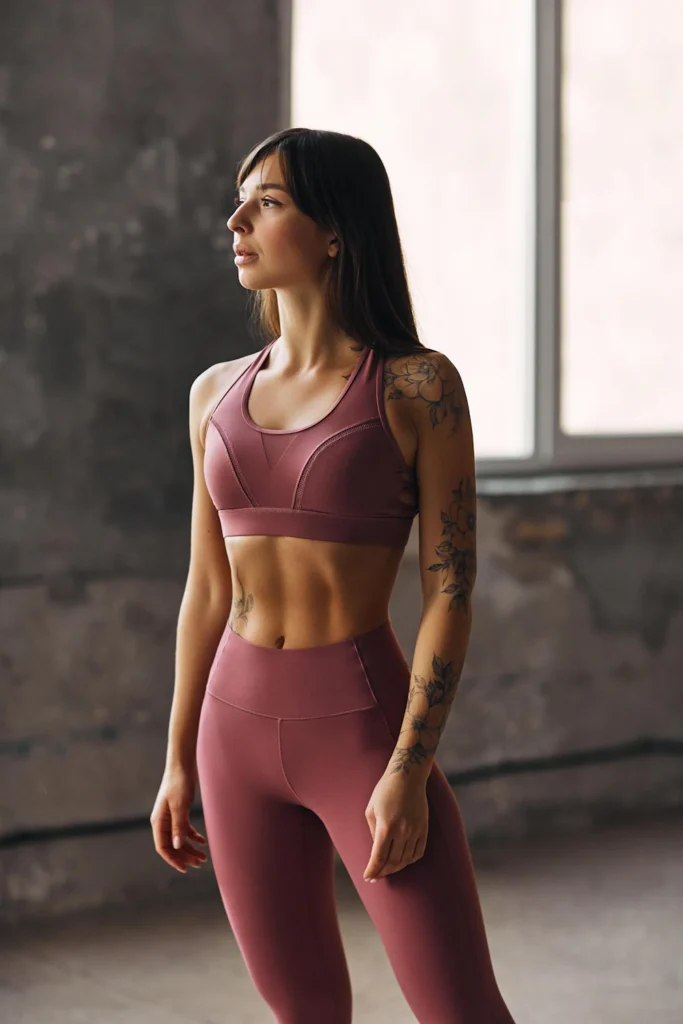
A Denver-based activewear brand pulled its best-selling high-waist legging from sale after a TikTok video showing the fabric turning sheer mid-squat hit 400,000 views. The factory’s spec sheet had listed 180 GSM and a 78/22 nylon-spandex blend — numbers that looked reasonable on paper, but sat low enough in the range that a deep squat stretched the knit thin enough to expose skin at the seat panel. Sourcing a second custom legging manufacturer that would lock the fabric weight at 240 GSM cost the brand six weeks and $4,200 in remade samples before the replacement run shipped clean.
Why Leggings Carry More Manufacturing Risk Than Other Bottoms
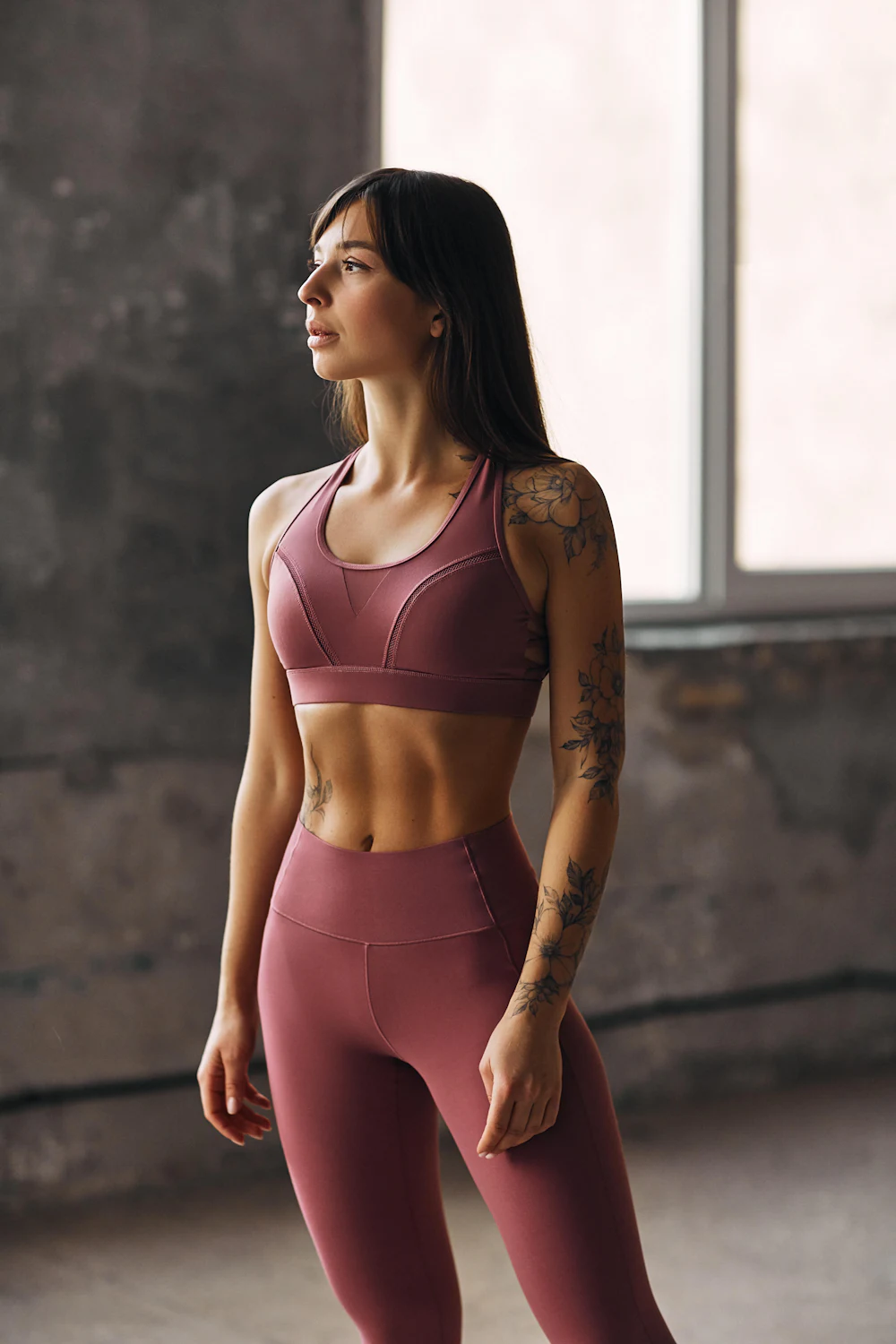
Leggings carry more construction risk per square inch of fabric than almost any other apparel category. A hoodie or a tee has forgiving stretch and drape. A compression legging is worn skin-tight, photographed in motion, and tested in real time by every customer who does a lunge, a squat, or a deep stretch. Fabric and construction decisions that pass unnoticed on a looser garment show up immediately on a legging, in a fitting room mirror, in a gym class, or in a video a customer posts without asking the brand’s permission first.
That risk profile is why sourcing a custom legging manufacturer takes more technical scrutiny than sourcing a supplier for most other categories. The same nylon-spandex or polyester-spandex blend can run anywhere from 150 to 280 GSM (grams per square meter of fabric) depending on the mill, and the gap between the low and high end of that range determines whether a legging survives a squat test or ends up in a return box. A factory that treats GSM as a rough guideline rather than a locked spec is a factory that eventually ships a batch that fails the way the Denver brand’s did. For a broader look at how fabric weight interacts with construction choices across categories, the guide on activewear fabrics for clothing brands covers the underlying material science in more depth.
What Actually Prevents a Legging From Going Sheer
Fabric Weight and Stretch Ratio for Squat-Test Opacity
Compression leggings built for gym or studio use need 220–260 GSM to stay opaque under a full squat stretch. Fabric at the 150–180 GSM floor of the category’s typical range suits looser, lounge-oriented leggings that never see a deep stretch, not a product marketed for training. Nylon-spandex blends (80/20 or 78/22) hold opacity better than polyester-spandex (87/13) at an equivalent GSM, because nylon’s finer filament knits into a denser structure at the same yarn count. Brands prioritizing squat-test performance over unit cost typically default to nylon-spandex at the top of the GSM range; polyester-spandex can still pass, but needs the extra weight to compensate.
Four-way stretch, meaning the fabric recovers in both the vertical and horizontal direction rather than just one, is standard for both blends and isn’t itself a guarantee against sheerness. A factory quoting “four-way stretch” without a GSM number on the spec sheet hasn’t actually specified the fabric.
Waistband Construction Options
Three waistband constructions cover most of the legging category, and they aren’t interchangeable. A fold-over elastic waistband folds an elastic band over the fabric edge and secures it with a visible topstitch line, which is the lowest-cost option but loses compression recovery faster after repeated washing. A bonded seamless high-rise waistband heat-bonds the elastic to the fabric with no visible seam, and holds its recovery through 30 or more wash cycles, which is why most premium compression leggings use it. A drawcord waistband runs an adjustable cord through a fabric channel and is built for loose-fit, jogger-style leggings rather than compression, since a drawcord can’t hold consistent tension around the waist the way a bonded elastic band does.
Gusset and Crotch Panel Construction
A diamond-shaped gusset panel at the crotch seam reduces strain on the main seam line during a squat or lunge and extends range of motion without the fabric bunching. A triangular gusset covers less surface area and holds up on lower-stretch styles, but tends to pull at the seam edges on high-compression leggings where the surrounding fabric is under constant tension. The seams joining the gusset to the main panel should be flatlock-stitched rather than overlocked. Flatlock stitching lies flat against the skin, while an overlocked seam leaves a raised ridge that causes chafing during extended wear, a distinction covered in more depth in the garment quality control guide.
Sizing and Grading Points Across the Size Run
Looser bottoms typically grade across four to six measurement points between sizes. A legging pattern needs eight to twelve grade points spanning waist, hip, thigh, knee, and hem, plus a separate grading rule for the gusset panel, to keep compression consistent from XS to XXL. A factory that grades a legging pattern the same way it grades a jogger will produce a range where the smallest and largest sizes compress differently than the sample size did, even though every size uses the same fabric and GSM.
Verifying a Legging Manufacturer’s Claims Before Bulk Production
A spec sheet is a claim, not a guarantee. Four checks catch most of the gap between what’s quoted and what ships.
First, request a physical fabric swatch and run the squat test personally, under bright light, at the largest size in the run — opacity issues show up first at the size where the fabric stretches the most. Second, ask for the grading rule sheet, not just a size chart, and confirm it lists grade points by measurement location rather than a single blanket adjustment per size. Third, request a waistband sample and check its recovery after a wash cycle; a waistband that doesn’t spring back to its original shape indicates low-grade elastane or a poor bond, regardless of what the spec sheet claims. Fourth, ask specifically what stitch type is used at the gusset and inseam. A factory that answers “flatlock” without being able to show the stitch on a physical sample is often using overlock and describing it loosely.
Waistband Construction Comparison
| Waistband Type | Construction Method | Compression Recovery | Best For | Cost Impact vs. Baseline |
|---|---|---|---|---|
| Fold-over elastic | Elastic band folded and coverstitched | Moderate, degrades after repeated washing | Budget athleisure, lounge leggings | Baseline |
| Bonded seamless high-rise | Heat-bonded flatlock, no visible seam | High, holds through 30+ wash cycles | Compression leggings, gym and studio use | 10–20% premium |
| Drawcord | Fabric channel with adjustable cord | Low, not designed for compression | Jogger-style, loose-fit leggings | 5–10% premium (hardware cost) |
PRP Apparel’s Legging Production Capabilities
PRP Apparel produces custom leggings from 50 pieces per style at its Dongguan facility, running nylon-spandex (80/20), polyester-spandex (87/13), and rPET blends at 150–280 GSM depending on the compression level a brand specifies. Bonded seamless waistband construction is available alongside fold-over and drawcord options, and gusset panels are flatlock-stitched in-house rather than routed through a subcontractor. Sample lead time runs 12–15 days from order confirmation, with 1–3 rounds standard, at $80–$250 per sample set. Bulk production follows at 35–45 days from an approved sample. Buyers weighing where a legging order fits against other production minimums can reference the guide on negotiating MOQ with clothing manufacturers before sampling starts.
Compression leggings are a high-sweat-contact product, and OEKO-TEX Standard 100 fabric certification along with ISO colorfastness testing are available on request rather than sold as an upsell. That distinction matters more for leggings than for looser activewear categories covered in the guide on the gym wear manufacturer with low MOQ, since compression fabric sits against skin for the full duration of a workout.
Custom Legging Manufacturing: Quick Reference
| Detail | Specification |
|---|---|
| MOQ | 50 pieces per style |
| Fabric options | Nylon-spandex 80/20, polyester-spandex 87/13, rPET |
| GSM range | 150–280 GSM (220–260 recommended for squat-test opacity) |
| Waistband options | Fold-over elastic, bonded seamless high-rise, drawcord |
| Grading points | 8–12 across waist, hip, thigh, knee, hem, plus gusset |
| Sample lead time | 12–15 days |
| Sample cost | $80–$250 per sample set |
| Bulk lead time | 35–45 days from approved sample |
| Price at 50 pcs | $14–$22/unit (nylon-spandex, flatlock construction) |
Fabric testing standards worth requesting before bulk production include OEKO-TEX Standard 100 certification for the fabric itself, and colorfastness testing to ISO 105-E04, the standard covering colorfastness to perspiration, which is directly relevant to a garment worn against skin during sustained sweating.
Frequently Asked Questions
What GSM prevents leggings from being see-through during a squat?
Compression leggings intended for gym or studio use typically need 220–260 GSM to stay opaque under a full squat stretch. Fabric below 180 GSM is common on lounge-oriented leggings but tends to sheer out under the deep stretch a workout produces.
What’s the difference between a fold-over and a bonded seamless waistband?
A fold-over waistband folds an elastic band over the fabric edge and secures it with a visible topstitch line. A bonded seamless waistband heat-bonds the elastic with no visible seam and holds compression recovery through significantly more wash cycles, which is why most premium compression leggings use it.
What is the MOQ for a custom legging manufacturer?
Fifty pieces per style is the standard genuine low MOQ in legging manufacturing, covering fabric, construction, and custom branding at the same threshold. Some factories quote 50 pieces per colorway instead, which multiplies quickly on a multi-color order, so confirming the MOQ structure in writing before sampling matters.
How long does custom legging production take?
Sample production runs 12–15 days from order confirmation, with 1–3 rounds standard depending on construction complexity. Bulk production follows at 35–45 days from an approved sample, in line with standard activewear lead times.
Is nylon-spandex or polyester-spandex better for leggings?
Nylon-spandex (80/20 or 78/22) holds opacity better at an equivalent fabric weight and resists pilling longer, at a 15–25% cost premium over polyester-spandex. Polyester-spandex (87/13) still performs well for training use if the GSM is raised to compensate for the lighter fiber structure.
Can custom leggings include private label branding at low MOQ?
Yes. Woven waistband labels, heat-transfer tags, and custom packaging are available at the same 50-piece MOQ as the garment order itself, without a separate branding minimum.
To discuss a custom legging project, fabric weight, waistband construction, and timeline, reach out directly via the inquiry form.
Related Reading
- Gym Wear Manufacturer with Low MOQ
- Activewear Fabrics Explained
- How to Choose the Right Custom Activewear Manufacturer
Related Manufacturing Services
Products We Manufacture
Ready to Start Your Clothing Project?
- MOQ from 50 pieces per style
- OEM and private label production
- Sample development support
- Fabric sourcing
- Quality inspection before shipment
- Worldwide shipping support