
In February a streetwear founder sent us a tech pack for an oversized hoodie and asked us to skip straight to the pre-production sample. He wanted to save three weeks. We talked him out of it, and the proto that came off our sample line ten days later proved the point: the neckline gaped almost 2cm off spec — a pattern problem no spreadsheet review would have caught. The garment sampling process exists to find exactly these problems while fixing them costs $60, not $6,000. Sampling feels slow when you are itching to launch. Skipping stages is slower, because mistakes discovered in bulk production get fixed at bulk prices.
Table of Contents
- What the Garment Sampling Process Involves
- The Six Sample Types, in the Order You Will Meet Them
- Where Sampling Goes Wrong for New Brands
- Physical Samples vs. 3D Digital Sampling
- How PRP Apparel Runs Sample Development
- Sample Stages at a Glance
- FAQ
What the Garment Sampling Process Involves
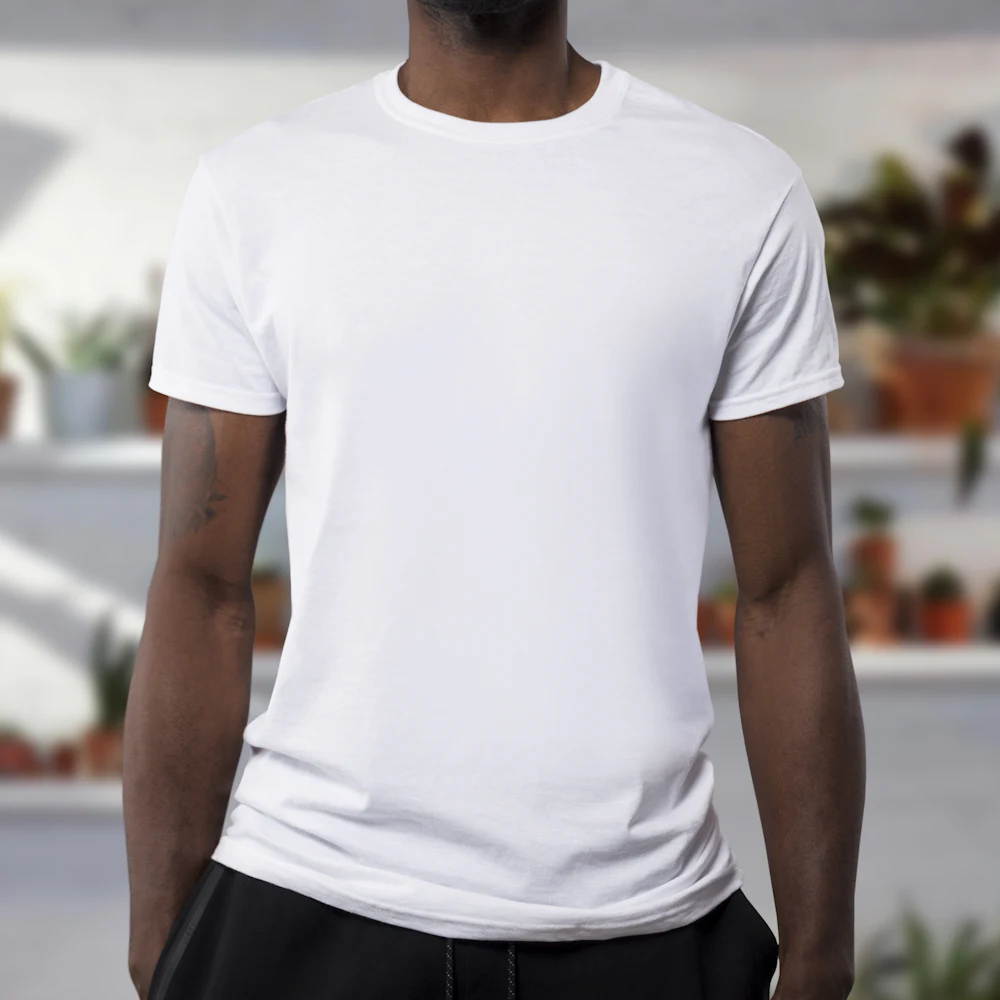
Sampling is the sequence of physical prototypes a factory builds before cutting bulk fabric. Each sample answers a different question. Can this design be constructed at all? Does it fit a real body? Does the fit hold across the size range? Does the final version, in the real fabric with the real trims, match what you approved? Only after every question gets a yes does production start.
The industry splits sampling into two phases. Development sampling — proto, fit, and size-set samples — shapes the garment itself. Production sampling — salesman, pre-production, and top-of-production samples — confirms the factory can reproduce the approved garment at scale. Most first-time brand owners budget for the first phase and forget the second, then get surprised when the factory asks them to sign off a PP sample before cutting.
Factories charge for samples, usually two to four times the eventual unit price, and the charge is reasonable once you see what goes into one. A sample room pattern maker cuts a single garment by hand, a senior sewer assembles it outside the normal line, and small fabric lots cost far more per meter than bulk rolls. After eight years of running a sample room, my view is that the sample fee also works as a filter — buyers who refuse to pay for development work are usually the same buyers who dispute invoices later, and factories know it.
The Six Sample Types, in the Order You Will Meet Them
1. Proto Sample
The proto is the first physical version of your design, built from the initial pattern to test construction. Fabric only needs to be close — a proto hoodie in 300gsm fleece stands in fine for a 320gsm final — because the goal at this stage is assembly, seam placement, and proportion, not hand-feel. A clear tech pack with complete points of measure cuts proto rounds dramatically. Briefs that arrive as a Pinterest screenshot and a paragraph of text routinely take three protos to land; a proper tech pack usually needs one or two.
2. Fit Sample
The fit sample goes on a live model or dress form in your target sample size. You are checking ease, drape, sleeve pitch, and length against the spec sheet, and recording corrections point by point. Expect one to three fit rounds. Two practical rules save weeks here: fit the sample on the same body or form every round, and send corrections as measurements, not adjectives. “Shorten body 3cm” gets executed correctly; “make it boxier” gets interpreted.
3. Size-Set Sample
Once the base size is approved, the factory grades the pattern and sews the full size run — typically S through XL, or whatever range you sell. Grading errors hide well. A jump between M and L that measures fine on paper can look wrong on a body, especially on cropped or oversized silhouettes where a flat 5cm grade across all sizes distorts the intended proportions. Brands skip the size set more than any other stage, and it shows up later as size-specific return spikes.
4. Salesman Sample
Salesman samples (SMS) are photo-ready pieces in the correct fabric and colorways, made for lookbooks, trade shows, wholesale appointments, and pre-order campaigns. Not every direct-to-consumer brand needs them. If you sell wholesale or shoot campaigns before production lands, order them; if you photograph your PP sample instead, you save a round and two weeks.
5. Pre-Production Sample
The PP sample is the contract. Actual bulk fabric, actual trims, actual labels, actual packaging — the garment exactly as it will leave the line. Approving it, ideally with a signature and a sealed duplicate kept on both sides, gives you the reference standard that every later quality control inspection measures against. Never approve a PP sample from photos alone. Freight for one garment costs $30–50; a bulk order that drapes or fits differently from what the photos suggested costs the whole deposit.
6. Top-of-Production Sample
The TOP sample gets pulled from the first pieces off the actual production line and couriered to you while the rest of the order is still being sewn. It answers one question: does bulk match the PP sample? Fabric relaxation, a different sewing team, or a substituted trim all surface here, while there is still time to react before the shipment leaves the factory.
Where Sampling Goes Wrong for New Brands
The same handful of mistakes accounts for most blown sampling budgets we see.
Approving from photos. Photos hide drape, weight, and hand-feel — the three things most likely to disappoint. Always get the physical sample for fit and PP approvals.
Redesigning mid-process. Changing the design after fit approval restarts the clock at the proto stage, whatever the invoice calls the next sample. Lock the design before sampling; iterate the next drop, not the current one.
Sampling in substitute fabric past the proto stage. A fit approved in the wrong fabric is not an approved fit. Knits with different spandex content recover differently; washed styles shrink differently. Move to actual fabric no later than the fit sample, and ask for fabric that carries recognized safety certification — OEKO-TEX Standard 100 covers harmful-substance testing and is the minimum worth accepting for anything worn against skin.
Skipping colorfastness and shrinkage tests. Standardized test methods from AATCC exist for wash fastness, crocking, and dimensional stability. Asking your factory which methods they test against — and for the reports — takes one email and removes an entire category of post-launch complaints.
Choosing a factory on sample price. A $40 difference in sample fees is noise across a production relationship. Sample speed, measurement accuracy, and how precisely the factory executes your corrections predict bulk quality far better than the fee does — the same logic that applies when you negotiate minimum order quantities: optimize the relationship, not the line item.
Physical Samples vs. 3D Digital Sampling
3D tools like CLO have earned a real place in development, and a growing share of our clients now iterate silhouettes digitally before cutting anything. The honest boundary: digital sampling excels at proportion and colorway decisions, and cannot tell you how 400gsm fleece feels after an acid wash. Streetwear lives on hand-feel and wash effects, which keeps physical sampling non-negotiable for final approvals.
| Physical sample | 3D digital sample | |
|---|---|---|
| Cost per round | $50–$300 per style | Near zero once the style is built |
| Turnaround | 1–3 weeks | Hours to days |
| Reliable for | Fit, hand-feel, wash effects, construction | Silhouette, proportion, colorways, print placement |
| Not reliable for | Rapid early iteration | Drape of heavy knits, wash effects, final fit sign-off |
| Best use | Fit sample onward | Before and during proto stage |
How PRP Apparel Runs Sample Development
PRP Apparel operates a dedicated sample room separate from the bulk production lines, which keeps proto turnaround at 7–12 working days for standard hoodie, t-shirt, and sweatshirt constructions. Every sample ships with a measurement chart recorded against your spec, so you see deviations in numbers before the box arrives. Corrections go back into a revised pattern, not a verbal note to a sewer. Development runs on the same 50-piece minimum order structure the factory uses for bulk, so a sampling project flows into a first production run without switching suppliers or re-approving anything.
Sample Stages at a Glance
| Stage | Purpose | Fabric | Typical rounds | Time per round |
|---|---|---|---|---|
| Proto | Test construction and proportion | Substitute acceptable | 1–3 | 1–2 weeks |
| Fit | Dial in fit on a real body | Actual or very close | 1–3 | 1–2 weeks |
| Size set | Verify grading across sizes | Actual | 1 | 1–2 weeks |
| Salesman (SMS) | Sales, lookbooks, pre-orders | Actual, all colorways | 1 | 2–3 weeks |
| Pre-production (PP) | Final sign-off before bulk | Actual, with trims and labels | 1 | 1–2 weeks |
| Top of production (TOP) | Confirm bulk matches PP | Bulk production | 1 | During production |
FAQ
How much do clothing samples cost from a manufacturer?
Expect $50–$150 per sample for standard knitwear like t-shirts and hoodies, and $200–$500 for complex outerwear, tailoring, or heavily washed and embellished pieces. Factories typically price samples at two to four times the projected bulk unit price. Many credit sample fees back against your first production order.
How long does the garment sampling process take?
Each sample round takes one to three weeks including shipping. A full development cycle — proto through approved PP sample — typically runs 6–12 weeks. Simple styles with a complete tech pack sit at the short end; complex or heavily revised designs at the long end.
What is the difference between a proto sample and a pre-production sample?
A proto sample is the first rough build, testing construction in whatever suitable fabric is on hand. A pre-production sample is the final version in actual bulk fabric with real trims, labels, and packaging, and serves as the binding reference for production quality.
Do manufacturers refund sample fees?
Many manufacturers, PRP Apparel included, credit part or all of the sample fee against a confirmed bulk order. Few refund fees outright with no order. Confirm the policy in writing before sampling begins.
How many rounds of samples are normal before production?
Two to four rounds across all stages is typical for a new style. One proto, one or two fit rounds, and a PP sample is a smooth run. More than five rounds usually signals an incomplete tech pack or a design still changing mid-development.
Can I get samples made without a tech pack?
Yes — most factories can pattern from a reference garment you ship them, and some work from detailed sketches. Expect one to two extra sample rounds compared with a full tech pack, since more decisions get made by interpretation rather than specification.
What is a TOP sample in garment manufacturing?
A top-of-production sample is pulled from the first finished pieces of your actual bulk run and sent to you while production continues. It confirms the line is reproducing the approved PP sample before the order ships.
Should I sample with more than one manufacturer?
For a first production partner, yes — sampling the same style with two or three factories costs a few hundred dollars and shows you real differences in accuracy, communication, and speed before you commit a deposit. Once a factory has proven itself, parallel sampling stops being worth the coordination overhead.
Start Your Sampling Project
Send us your tech pack — or a reference photo and target fabric weight if that is all you have — and you will get a sampling quote, a proto timeline, and fabric suggestions within 24 hours. Request your sampling quote from PRP Apparel and put a physical sample in your hands in under two weeks.
Related Reading
- Artwork File Requirements for Apparel Printing
- Fabric Shrinkage Testing: What to Verify Before Bulk Production Starts
- The Lab Dip Approval Process: How Color Gets Locked Before Bulk Dyeing
- Apparel Size Grading: How One Approved Sample Becomes a Full Size Run
- Sleep Shirt Manufacturer: Body Length, Sleeve, and Fabric Standards for Custom Production
- How to Negotiate MOQ with Clothing Manufacturers (Without Losing Your Shirt)
- Importing Apparel from China in 2026: A Practical Guide for Growing Brands
- Why Packaging Elements Like Labels, Stickers, and Wrapping Matter in 2025
Related Manufacturing Services
Ready to Start Your Clothing Project?
- MOQ from 50 pieces per style
- OEM and private label production
- Sample development support
- Fabric sourcing
- Quality inspection before shipment
- Worldwide shipping support