
Sleep Shirt Manufacturer: Body Length, Sleeve, and Fabric Standards for Custom Production
A Los Angeles-based sleepwear brand asked its existing loungewear factory to add a sleep shirt to its next production run, expecting a quick pattern tweak from an existing pullover hoodie block. The first 200-piece sample batch arrived with sleeves too narrow for comfortable overhead reach and a body length that stopped mid-thigh instead of the near-knee length the brand had sketched on its tech pack. The factory had adapted a fitted loungewear top pattern instead of drafting a sleep shirt block from scratch, and the mismatch cost the brand a full sample round and six weeks before a corrected batch shipped. Finding a sleep shirt manufacturer that treats the garment as its own construction category, not a hoodie without a hood, is the difference between a one-round sample approval and a costly do-over.
What a Sleep Shirt Actually Is in Production Terms
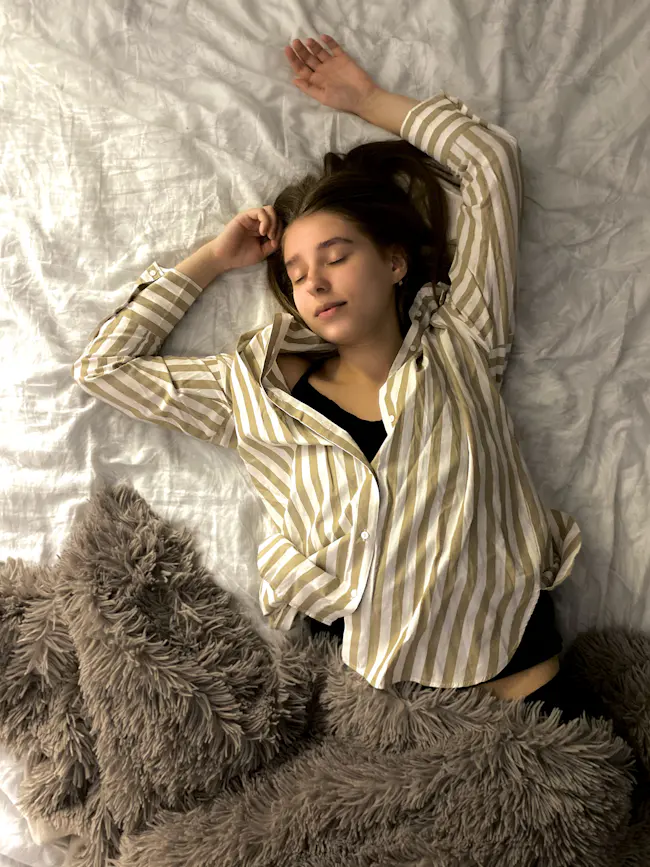
A sleep shirt is a single, oversized top with no matching bottom, cut long enough to be worn on its own for sleep or lounging. It sits in the same Loungewear & Pajamas category as a pajama set or lounge set, but it’s a fundamentally different production spec. A pajama top is cut to a standard shirt length because a matching bottom finishes the outfit. A sleep shirt has to cover more territory on its own — typically dropping to mid-thigh or just above the knee — which changes the body length, hem finish, and often the side-seam construction compared to a standard button-up.
Brands sourcing a sleep shirt for the first time often assume the spec is close enough to their existing pajama or loungewear sourcing to fold into the same purchase order. The guide on a pajamas and sleepwear manufacturer and the loungewear manufacturer guide both cover set-based construction — a matched top and bottom in coordinated fabric and colorway. A sleep shirt drops the bottom half entirely, which shifts the fit conversation from matching a waistband to a top toward length, drape, and sleeve range of motion on a single standalone piece.
Demand for the category has grown alongside the broader loungewear expansion, driven by DTC brands adding one hero sleep piece instead of building a full pajama line, and by brands that want a single SKU with broader sizing appeal instead of managing a top-and-bottom size matrix.
Body Length and Silhouette Standards
A sleep shirt’s defining spec is body length, not chest width. Standard production lands in one of two length bands: mid-thigh (24–28 inches from high point shoulder, depending on size range) for a shorter, boxier cut, or knee-adjacent (30–34 inches HPS) for a nightgown-style drop. Both bands use an oversized block — 4 to 6 inches of ease beyond a standard tee at the chest and shoulder — because the garment is worn without a bottom and needs enough drape to move and sit comfortably in bed.
Grading a sleep shirt block requires a separate length-increase rule per size, distinct from a standard tee grade. A factory grading a sleep shirt off its tee block will typically apply the same 1-inch body-length increase per size used for tees, which under-grades the sleep shirt’s proportionally longer body and produces a garment that shortens visually at larger sizes relative to width. Ask for the grading rule in writing before approving a size run beyond the sample size.
Sleeve Construction: Drop-Shoulder vs. Raglan
Two sleeve constructions dominate sleep shirt production. Drop-shoulder extends the shoulder seam past the natural shoulder point, creating a boxier silhouette with a wider armhole — the most common choice for an oversized sleep shirt because it reads correctly at rest and doesn’t restrict movement while lying down. Raglan sleeve construction runs a diagonal seam from the underarm to the collar instead of a set-in shoulder seam, giving more natural overhead range of motion at a slightly higher construction cost due to the extra panel and seam.
Drop-shoulder is the standard for a boxy, flat-lay-friendly sleep shirt. Raglan is worth the added cost for brands prioritizing comfort claims around unrestricted movement, since the diagonal seam removes the shoulder-seam pressure point that a set-in or drop-shoulder sleeve can create when a sleeper’s arm is raised overhead for hours.
Button-Front vs. Pullover Construction
A button-front sleep shirt uses a full or half placket down the chest, closed with 4 to 7 shell or plastic buttons depending on placket length. The placket adds interfacing, buttonhole stitching, and a slower line time than a pullover style, which raises unit cost but gives the wearer a ventilation option and an easier on/off motion than a pullover neck opening allows.
Pullover construction — a crew, henley, or scoop neckline with no front closure — cuts construction time and cost, since there’s no placket, no buttons, and no buttonhole line to run. It’s the lower-cost, faster-to-produce option, and it’s the more common choice for a brand launching a sleep shirt as a single SKU rather than a signature style.
Fabric Selection for Sleep Shirts
Cotton jersey, modal, and bamboo jersey are the three fabrics used across nearly all sleep shirt production, the same fabric family covered in the fabric types and GSM guide for material selection generally. Because a sleep shirt is worn next-to-skin for hours without a layering piece over it, weight sits closer to a lightweight tee than a sweatshirt: roughly 140–180 GSM, in the same range as the 140–200 GSM used for standard cotton crew tees, rather than the 280–400 GSM range used for hoodies and sweatshirts. Modal and bamboo jersey trend toward the lighter end of that range and add drape and a cooler hand-feel, which matters for a garment intended to be slept in through a full night.
All three fibers should carry OEKO-TEX Standard 100 fabric certification, confirming the finished textile has been tested for harmful substances at the level appropriate for skin-contact use — relevant for a garment worn directly against skin for 6 to 8 hours at a stretch. Colorfastness to washing (ISO 105-C06) is worth requesting on any printed or garment-dyed sleep shirt, since sleepwear typically gets washed more frequently than outerwear.
What to Verify Before Approving a Sleep Shirt Sample
The most common failure point is a factory reusing an existing tee or hoodie pattern block instead of drafting a sleep shirt block from scratch — the exact mistake in the Los Angeles brand’s opening example. Ask directly whether the factory is drafting a new block or adapting an existing one, and request the graded spec sheet before the first sample round starts, not after.
Walk through the garment sampling process expectations with the factory before committing: 1 to 3 sample rounds is standard, and a sleep shirt’s fit is difficult to judge from a flat measurement alone, since body length and drape only read correctly on a body or a properly weighted mannequin. Request a worn fit photo or video with the pre-production sample, not just a measurement chart, before signing off on bulk production.
Check hem and side-seam finishing specifically. A sleep shirt worn without a bottom garment underneath means any raw or poorly finished interior seam sits directly against skin for hours, unlike a top layered over other clothing. Confirm the factory is using a clean overlock or bound-seam finish on the side seams and hem, not a raw cut edge.
Sleep Shirt vs. Pajama Set vs. Lounge Set
| Attribute | Sleep Shirt | Pajama Set | Lounge Set |
|---|---|---|---|
| Garment count | 1 (top only) | 2 (top + bottom) | 2 (top + bottom) |
| Typical body length | 24–34″ HPS, oversized | Standard shirt length | Standard shirt length |
| Sleeve style | Drop-shoulder or raglan | Set-in or drop-shoulder | Set-in or drop-shoulder |
| Typical fabric weight | 140–180 GSM | 140–200 GSM | 160–220 GSM |
| Closure | Button-front or pullover | Usually button-front | Usually pullover |
| Best for | Single-SKU sleep essential | Matched sleep set, gifting | Athleisure-adjacent daywear |
Sourcing a Sleep Shirt Through PRP Apparel
PRP Apparel produces sleep shirts from its Dongguan, Guangdong factory at a 50-piece-per-style minimum — a genuine per-style MOQ, not a hidden per-colorway sub-minimum. Brands unfamiliar with how per-style structures compare to per-order or per-colorway minimums can review how to negotiate MOQ with clothing manufacturers before quoting a first order. Sample lead time runs 12 to 15 days from order confirmation, with sample cost between $80 and $250 per set depending on placket complexity and fabric. Bulk production ships in 35 to 45 days from an approved sample.
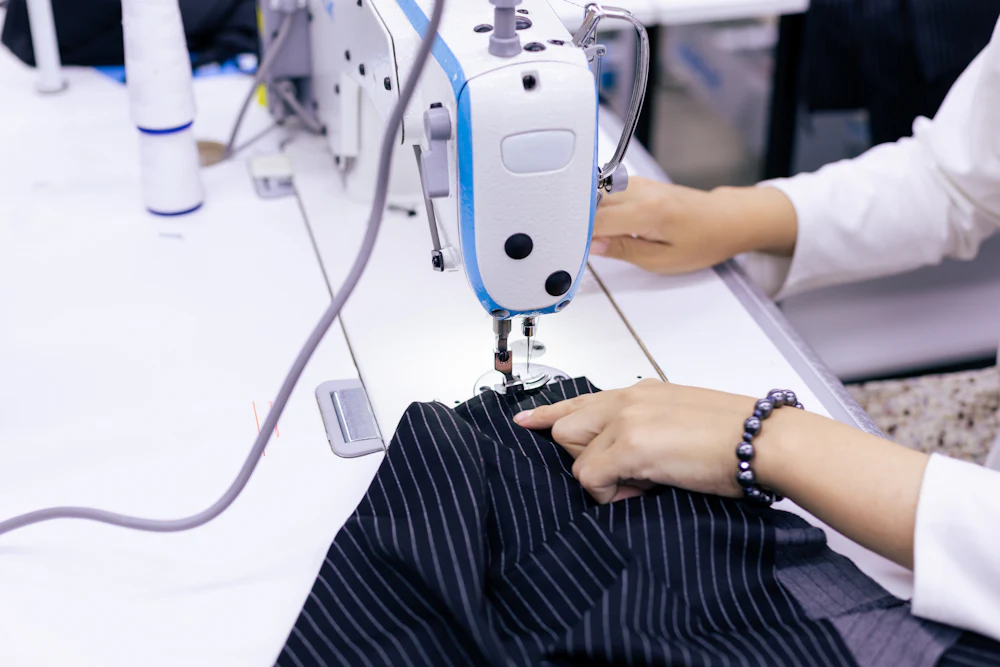
In-house capabilities cover both construction paths: flatlock seaming for a clean, low-bulk hem and side seam, and full button-placket sewing and buttonhole work for button-front styles, so a brand doesn’t need to split a single style across two subcontractors. Custom woven neck labels, heat-transfer tags, and branded polybag packaging are available at the same 50-piece MOQ as the garment itself.
Pricing reflects the single-piece, single-fabric-panel nature of the garment. A standalone sleep shirt in cotton jersey or modal typically runs $9–$15 per unit at 50 pieces — below PRP’s $12–$20 pajama-set range, since a sleep shirt is one garment component without the paired bottom and its separate waistband construction. Per-unit cost decreases 15–30% at 200 or more pieces, consistent with pricing across PRP’s other categories.
Sleep Shirt Production Specs at a Glance
| Spec | Detail |
|---|---|
| Body length | 24–28″ HPS (mid-thigh) or 30–34″ HPS (knee-adjacent) |
| Sleeve construction | Drop-shoulder (standard) or raglan (added mobility) |
| Closure | Pullover (lower cost) or button-front, 4–7 buttons |
| Fabric | Cotton jersey, modal, or bamboo jersey, 140–180 GSM |
| MOQ | 50 pieces per style |
| Sample lead time | 12–15 days |
| Sample cost | $80–$250 per set |
| Bulk lead time | 35–45 days from approved sample |
| Price per unit (50 pcs) | $9–$15 |
| Certification | OEKO-TEX Standard 100; ISO 105-C06 on request |
For fabric certification and chemical-safety testing, brands can review the current OEKO-TEX Standard 100 requirements directly at OEKO-TEX’s official standards page. Colorfastness-to-washing testing follows ISO 105-C06, the international standard governing how a dyed or printed textile holds up through repeated domestic laundering.
FAQ
What’s the difference between a sleep shirt and a nightgown?
The terms overlap heavily, but “sleep shirt” typically describes a shorter, boxier, shirt-collar or crew-neck garment closer to mid-thigh length, while “nightgown” more often refers to a longer, sometimes more fitted style extending past the knee. Production-wise, both use the same single-top, oversized-block approach — the difference is primarily length and, for a nightgown, sometimes a more tailored silhouette.
What’s the minimum order quantity for a custom sleep shirt manufacturer?
PRP Apparel’s minimum is 50 pieces per style, applied per style rather than per colorway or per size. A brand ordering one sleep shirt style in three colorways can order 50 pieces of each colorway, not 150 pieces combined across all three before the minimum is met.
What fabric works best for a sleep shirt?
Cotton jersey, modal, and bamboo jersey in the 140–180 GSM range are the standard choices. Modal and bamboo trend lighter and cooler against skin, which suits a garment worn for a full night, while cotton jersey offers a more familiar hand-feel and lower cost per yard.
Can a sleep shirt include a chest pocket or side slits?
Yes. A single patch pocket at the chest and side slits at the hem are common add-ons that don’t require a separate pattern block — they’re construction details layered onto the base sleep shirt spec. Confirm any add-on with the factory before sampling, since each detail adds a small amount to sample cost and production time.
How long does bulk production take after the sample is approved?
35 to 45 days from an approved pre-production sample to a shipped bulk order, consistent with PRP’s standard lead time across categories. Complex button-front styles with multiple colorways can run toward the longer end of that range.
To discuss a sleep shirt project — body length, sleeve and closure construction, fabric, and pricing at your target quantity — reach out directly via the inquiry form.
Related Reading
- Loungewear Manufacturer: How to Source Custom Lounge Sets at Low MOQ
- Pajamas and Sleepwear Manufacturer: A Brand Owner’s Guide to OEM Production
- Garment Sampling Process
Related Manufacturing Services
Ready to Start Your Clothing Project?
- MOQ from 50 pieces per style
- OEM and private label production
- Sample development support
- Fabric sourcing
- Quality inspection before shipment
- Worldwide shipping support