
A Los Angeles outerwear brand sourced 120 satin-lined bomber jackets from a factory that primarily produced track jackets for other clients. The factory quoted the bomber jacket off its track jacket price sheet, ran the same lightweight rib knit trim it used on lighter shells, and glued the satin lining into the shell instead of edge-stitching it. Within six weeks of retail wear, the waistband had lost its recovery and sat loose instead of snapping back, and the lining had started pulling free at the underarm seam. A bomber jacket manufacturer with real outerwear experience doesn’t build a bomber off a track jacket’s spec sheet. This guide covers the shell fabric, lining, and hardware decisions that separate a bomber jacket that holds its shape from one that doesn’t.

Where Bomber Jackets Fit in Streetwear Manufacturing
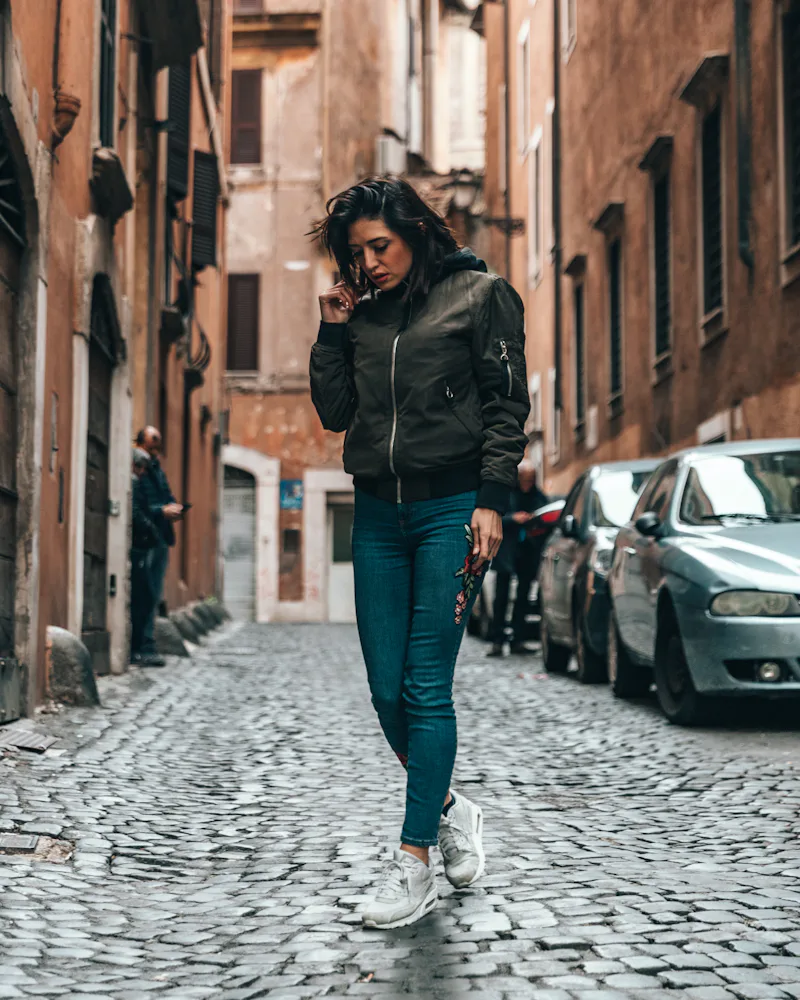
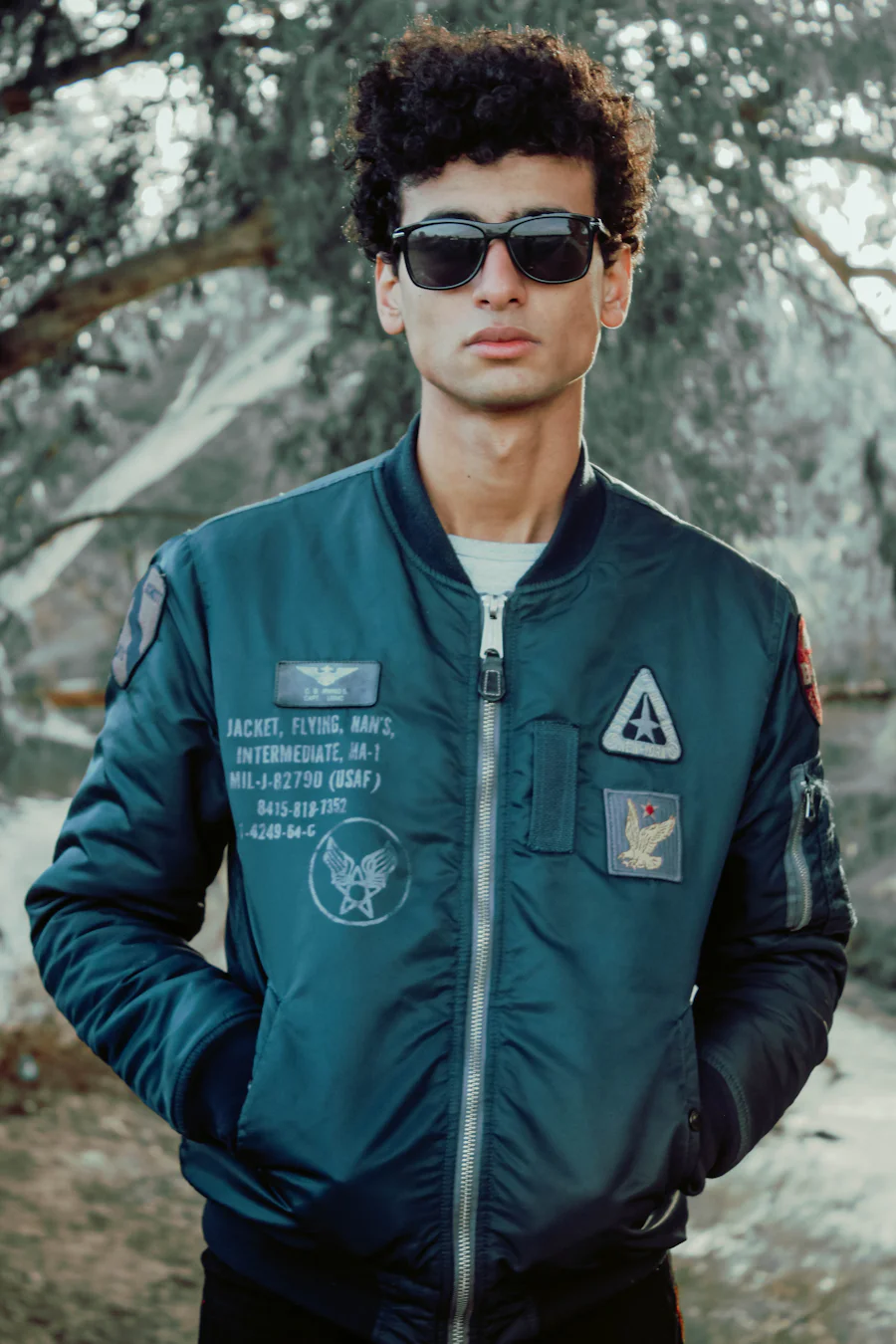
Bomber jackets sit in the same Streetwear production line as track jackets, cargo pants, and graphic tees, but they’re a heavier, more structured garment than any of those. The silhouette traces back to the MA-1 military flight jacket: a woven shell, ribbed collar, cuffs, and waistband, a front zip, and — on most commercial versions — a lining. That lining is the single biggest manufacturing variable a track jacket never has to deal with.
Because both garments use ribbed trim and a front zip closure, buyers new to outerwear sourcing sometimes treat a bomber jacket manufacturer and a track jacket manufacturer as interchangeable. They aren’t. A track jacket manufacturer is managing multi-panel color-blocking on a light shell with no lining. A bomber jacket manufacturer is managing a heavier shell, a lining that has to stay attached through repeated wear, and hardware built to survive more stress than a training-layer zipper sees.
That earlier guide’s comparison table covers the high-level difference between the two categories. This one goes deeper on the decisions specific to bomber construction: shell weight and finish, lining type, zipper gauge, and the rib band build that has to hold up under a heavier garment than a track jacket ever carries.
Core Construction Decisions
Shell Fabric: Weight, Finish, and Coating
A bomber jacket shell runs heavier than a track jacket’s tricot or dobby weave, because the garment is built as standalone outerwear rather than a layering piece. Woven nylon and polyester are the two standard base fabrics, and both come in a range of deniers — a higher denier number means a thicker, more abrasion-resistant yarn, which shows up as a stiffer hand and better durability at the shoulders and elbows where a bomber takes the most wear.
Finish is a separate decision from weight. A matte finish reads closer to a technical or military aesthetic; a glossy or satin-face finish reads closer to the classic MA-1 look. Neither finish is more durable on its own — the coating applied over the base weave matters more. A water-resistant DWR (durable water repellent) coating is a common add for a bomber positioned as functional outerwear rather than a pure fashion piece, and it should be specified in the tech pack rather than assumed.
None of these shell options appear in PRP Apparel’s standard pricing reference table the same way hoodie fleece or compression fabric does, because a lined, multi-component jacket prices off construction complexity and hardware, not fabric type alone. Get a quote against the actual shell weight, lining, and hardware spec rather than assuming a flat per-unit number carried over from a lighter garment.
Lining Types: Mesh, Quilted, and Satin
The lining is what actually separates a bomber jacket from a track jacket, and it’s also the component most likely to fail if a factory cuts corners. Three lining types cover most commercial bomber orders, and each changes the garment’s warmth, weight, and cost.
Mesh lining is the lightest option — an open-weave polyester that adds almost no bulk and keeps the jacket wearable in warmer climates or for brands positioning the piece as a transitional-season layer rather than winter outerwear.
Quilted lining pairs a lightweight shell fabric with a thin layer of polyester fill, stitched in a diamond or channel pattern. It adds real warmth and a visible texture through the shell, and it’s the heaviest of the three options in both weight and typical cost.
Satin lining is a smooth, slippery woven polyester or acetate-blend fabric. It adds minimal warmth on its own but makes the jacket easier to put on and take off over other layers, and it’s the lining most associated with the classic MA-1 aesthetic.
Zipper Gauge and Hardware
A bomber jacket carries more hardware stress than a track jacket, because the shell is heavier and the garment sees more use as standalone outerwear rather than a light training layer. Request a heavier-gauge zipper than a track jacket’s spec — a wider tooth or coil size holds up better under the pull force of a heavier shell and a snug-fitting rib waistband working against it every time the jacket opens.
A branded zipper (YKK is the standard reference point across this factory’s Streetwear line) matters even more on a bomber than a track jacket, since the garment’s heavier construction puts more strain on the slider and pull tab over the jacket’s working life. Confirm the brand and gauge by name in the tech pack — “zipper” as an unspecified line item is how a factory substitutes a lighter unbranded part mid-production without flagging it.
Hardware beyond the main zipper is also common on a bomber: a snap-flap chest pocket, a zippered sleeve pocket, or both. Each additional hardware point is a separate attachment to verify on a pre-production sample, not just the main zipper.
Rib Knit Band Construction
The rib band at the collar, cuff, and waistband on a bomber jacket needs to be heavier and higher-recovery than the trim on a lighter track jacket, because it’s holding the shape of a heavier shell and doing more work at the waistband specifically — that band is what gives a bomber its characteristic snug, blouson silhouette rather than a straight hem.
A rib band that’s too lightweight for the shell weight it’s paired with stretches out within weeks of regular wear and stops snapping back, which was the exact failure on the Los Angeles order above. Ask the factory directly whether the rib band weight is matched to the shell weight in the tech pack, rather than assuming a standard trim works across every shell option.
Attachment at the waistband seam should be bound or top-stitched, the same standard that applies to a track jacket’s collar and cuff trim — but on a bomber, the waistband seam carries the weight of the entire garment every time it’s put on or taken off, so a serged-only attachment fails faster here than on a lighter garment.

Verification: What to Check Before Bulk Production
A pre-production sample catches every issue above before it scales into a full order. Specifically verify:
- Lining attachment — turn the jacket inside out and check whether the lining is edge-stitched or bagged into the shell seam, not glued or bonded. A bonded lining is the failure mode that pulled loose on the Los Angeles order.
- Zipper gauge and brand — confirm the branded zipper matches the tech pack’s specified gauge, and run the slider the full length 15–20 times checking for snagging, looseness, or fabric catching in the coil.
- Rib band recovery — stretch the waistband and cuffs by hand and release; a properly matched rib band snaps back to its original shape immediately, not gradually.
- Colorfastness between shell and lining — for contrast color combinations, request colorfastness-to-rubbing results so dye doesn’t transfer from a dark shell to a light lining during wear.
Factories that skip a written sample approval step, or push straight to bulk cutting after a verbal color or hardware approval, are the ones most likely to substitute a lighter lining or unbranded zipper mid-run. Get approval in writing with dated photos before authorizing bulk cutting.
Bomber Jacket Lining Types Compared
| Attribute | Mesh Lining | Quilted Lining | Satin Lining |
|---|---|---|---|
| Warmth | Lowest | Highest | Low to moderate |
| Added weight | Minimal | Most noticeable | Minimal |
| Breathability | Highest | Lowest | Moderate |
| Typical use case | Transitional-season, warmer-climate orders | Winter outerwear, cold-climate orders | Classic MA-1 aesthetic, year-round fashion positioning |
| Cost impact vs. unlined | Low | Highest | Low to moderate |
A factory that offers only one lining option, or can’t explain the trade-off between the three, is likely sourcing whatever lining fabric it already has on hand rather than matching the lining to the brand’s actual end use.
Sourcing Bomber Jackets Through PRP Apparel
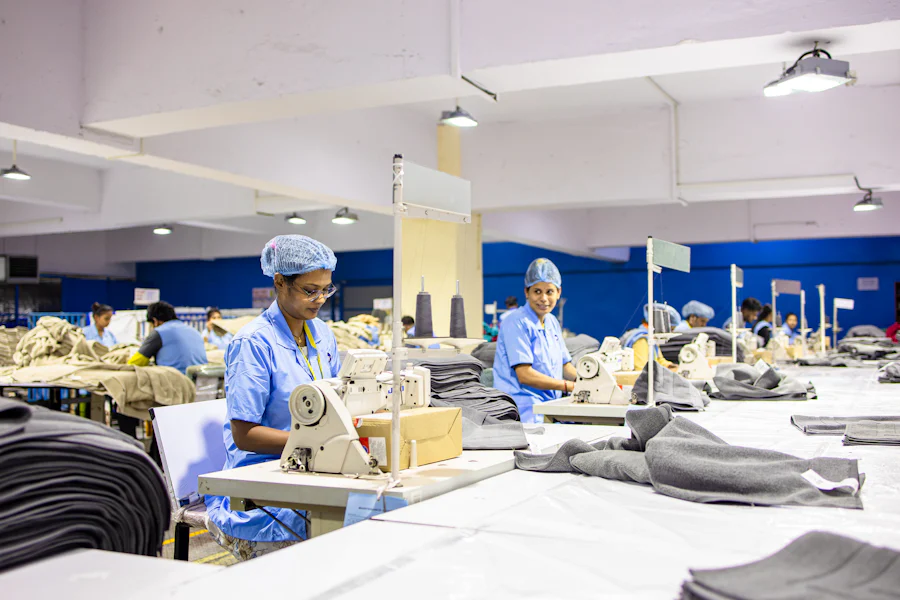
PRP Apparel runs bomber jacket production through the same cut-and-sew Streetwear line used for track jackets, cargo pants, and graphic tees, based in Dongguan with direct access to the Pearl River Delta’s fabric mills and trim suppliers. Production starts at 50 pieces per style — a genuine per-style minimum, not a per-colorway minimum that quietly multiplies a lined, multi-component jacket order into several hundred units.
Pre-production samples run 12–15 days from order confirmation at $80–$250 per sample set, with 1–3 rounds standard before bulk cutting — enough to catch a lining attachment issue or hardware substitution before it reaches a full order. Bulk production runs 35–45 days from approved sample. Screen print, embroidery, and DTG are all available in-house for shell branding, and for brands sourcing a leather or faux-leather bomber instead of a woven-shell version, that falls under PRP Apparel’s separate leather goods manufacturer capability rather than this Streetwear line.
Bomber Jacket Manufacturing at a Glance
| Spec | Detail |
|---|---|
| MOQ | 50 pieces per style |
| Sample lead time | 12–15 days |
| Sample cost | $80–$250 per set |
| Sample rounds | 1–3 rounds standard |
| Bulk lead time | 35–45 days from approved sample |
| Common shell fabrics | Woven nylon or polyester, matte or satin finish, optional DWR coating |
| Lining options | Mesh, quilted, satin |
| Standard closure | Full-zip, heavier-gauge branded zipper (YKK or equivalent) |
| Decoration methods | Screen print, embroidery, DTG |
| Zipper test standard | ASTM D2061 strength tests for zippers |
Brands sourcing OEKO-TEX-verified shell and lining fabric should request documentation against the OEKO-TEX Standard 100 criteria — PRP Apparel’s fabric is certified across its product lines, not sold as a premium add-on. See the OEKO-TEX certification explained guide for what the certificate actually covers and how to verify one before placing a bulk order.
Buyers still finalizing order size should also read how to negotiate MOQ with clothing manufacturers, since a lined jacket with multiple hardware points is exactly the kind of order where a per-style vs. per-colorway minimum needs to be confirmed in writing before sampling starts.

Frequently Asked Questions
What’s the difference between a bomber jacket and a track jacket manufacturer’s typical build?
A bomber jacket uses a heavier woven shell, is frequently lined (mesh, quilted, or satin), and carries a heavier-gauge zipper and rib band than a track jacket. A track jacket uses a lighter shell, is rarely lined, and typically has 3–5 color-blocked panels instead of a lining and hardware focus. See the full track jacket manufacturer comparison for the complete breakdown.
What lining is best for a bomber jacket?
It depends on end use. Mesh lining suits warmer-climate or transitional-season orders and adds almost no weight. Quilted lining adds real warmth for cold-climate positioning but costs more and adds bulk. Satin lining adds minimal warmth but gives the classic MA-1 hand-feel and works year-round as a fashion piece.
What is the minimum order quantity for custom bomber jackets?
50 pieces per style is the standard minimum. Confirm upfront whether that applies per style or per colorway — a lined jacket with a hardware-heavy build is exactly the kind of order where a per-colorway quote can quietly multiply the real minimum.
What zipper should I request for a bomber jacket?
A heavier-gauge branded zipper than a track jacket’s spec — YKK or an equivalent named brand, with the gauge specified in the tech pack rather than left as an unspecified “zipper” line. The heavier shell and snug waistband put more strain on the zipper than a lighter training-layer garment does.
Can a bomber jacket be made in leather or faux leather instead of a woven shell?
Yes, but that runs through a separate production line. PRP Apparel’s leather goods manufacturer capability covers genuine and PU leather jackets, distinct from the cut-and-sew Streetwear line that produces woven nylon and polyester bombers.
How long does it take to produce a bulk order of bomber jackets?
Budget 12–15 days for pre-production samples and 35–45 days for bulk production once a sample is approved. A lined jacket with multiple hardware points is more likely to need a second sample round than an unlined garment, so budget for the higher end of the 1–3 round range.
To discuss your bomber jacket project — shell weight, lining, hardware, and timeline — reach out directly via the inquiry form.
Related Reading
- Track Jacket Manufacturer
- Streetwear Manufacturer China
- Leather Goods Manufacturer for Fashion Brands
Related Manufacturing Services
Ready to Start Your Clothing Project?
- MOQ from 50 pieces per style
- OEM and private label production
- Sample development support
- Fabric sourcing
- Quality inspection before shipment
- Worldwide shipping support