

A streetwear brand in Melbourne sent PRP Apparel a tech pack for a six-pocket cargo pant last quarter, after a factory in Guangzhou delivered a bulk order with bellows pockets that collapsed flat against the leg within two washes. The factory had quoted “reinforced construction” without specifying what that meant. No bar-tacking at the stress points, no interfacing inside the pocket bag, just a single row of straight stitching holding a patch pocket to a mid-weight cotton twill. The brand ate the cost of 400 units that customers were already returning. Finding a cargo pants manufacturer that can name its construction methods, not just its price, is the difference between a wearable product and a warranty problem.
Cargo pants and utility bottoms have moved past their 2000s revival cycle into a permanent line item for streetwear and workwear brands. That shift means buyers are placing repeat orders, not one-off trend pieces, and repeat orders expose construction shortcuts fast. A pocket that survives a single photoshoot but fails a customer’s third wash cycle is a returns problem, not a design problem.
This guide covers the pocket construction methods, panel and reinforcement standards, and fabric weight decisions that separate a durable cargo pant from a factory cutting corners on a trend order.

Why Cargo Pants Construction Is Harder Than Standard Trousers
A standard chino or jogger has two hand pockets and a waistband. A cargo pant with six functional pockets multiplies the stress points, the panel seams, and the places a factory can quietly cut a corner. Every additional pocket is another attachment point that has to survive repeated flexing, loading with keys or a phone, and machine washing.
Buyers new to the category often assume “cargo pants” is a single spec. It isn’t. A slim-fit fashion cargo with two decorative pockets and a tactical-style pant with six load-bearing pockets and reinforced knees are different manufacturing problems, priced differently. Clarifying which one you’re ordering before the tech pack goes to a factory prevents a mismatch between quote and build.
Get this wrong and the failure shows up exactly where the last Melbourne order did: at the pocket attachment point, under real-world use, months after the invoice cleared.
Pocket Construction: Bellows vs. Patch
Bellows Pockets
A bellows pocket has an expandable, accordion-folded side panel that lets it hold volume without pulling at the seams. It’s the construction used on genuine utility and tactical cargo pants because it distributes load across the folded panel rather than concentrating stress on a single stitch line. Bellows construction adds 15 to 25 minutes of sewing time per pocket versus a flat patch, which is why factories that skip it can quote a lower price without disclosing the trade-off.
Patch Pockets
A patch pocket is a flat panel stitched directly onto the leg with no expansion capacity. It’s faster to produce and appropriate for a fashion-cargo silhouette where the pocket is more visual than functional. The failure mode buyers see most often: a factory ships patch pockets on a pant marketed as “utility” or “tactical” styling, and the pocket looks correct in a flat-lay photo but sags or tears once a customer actually loads it.
Ask for the construction method by name in the quote, not just “cargo pockets.” A factory that can’t tell you bellows from patch on request likely hasn’t built either at volume.
Closure Types and What They Signal About Durability
Flap with Snap Closure
Snap closures are fast to fasten, add a hardware cost of roughly $0.15 to $0.40 per snap depending on finish, and are the standard choice for streetwear-positioned cargo pants where quick access matters more than security. Snaps do work loose over time; factories mitigate this with a reinforced prong-and-socket setup rather than a cheaper stamped snap that deforms after repeated use.
Flap with Velcro Closure
Hook-and-loop closures are common on tactical and workwear cargo pants because they’re fast and adjustable. The trade-off is wear life: cheap tape loses grip after 50 to 75 open-close cycles, while industrial-grade tape rated for 5,000+ cycles costs more per yard but holds up through a full product lifecycle.
Zip Closure
Zippers give the most secure closure and the cleanest flat profile for a fashion-forward cargo silhouette, but they cost more in both hardware and sewing time, and a poor-quality zipper is the single most common cargo pant return reason after pocket failure. Specify a name-brand zipper (YKK or equivalent) in the tech pack rather than leaving it to the factory’s default supplier.
Panel Count, Reinforcement, and Stress-Point Stitching
A basic two-pocket cargo pant is a 6 to 8 panel garment. A six-pocket tactical-style cargo with a cargo pocket, hand pocket, and back pocket per side, plus a knee panel, runs 12 to 16 panels. More panels means more seam intersections, and every intersection is a potential failure point if the factory isn’t running reinforced stitching at the corners.
Where reinforcement matters most:
- Pocket corners (bar tack or box-X stitch, not a single straight line)
- Knee panels on any pant marketed with reinforced-knee positioning
- Belt loops, which take direct pulling force every time a customer puts the pants on
- The pocket-to-body seam itself, ideally double-stitched or top-stitched for visible durability
Bar tacking is a concentrated zigzag stitch that anchors a stress point with far more holding power than a straight line of stitching. It costs a few seconds of machine time per point and is the specific detail a factory skips when a buyer doesn’t ask for it by name in the tech pack.

Fabric Weight for Utility and Workwear Positioning
Cargo pants sit at a heavier fabric weight than standard chinos or joggers because the category’s positioning, whether streetwear or workwear, depends on the fabric holding structure through repeated loading and washing. A 180 GSM cotton twill drapes well for a slim fashion cargo but won’t hold its shape once cargo pockets are loaded. A 240 to 320 GSM cotton or cotton-blend twill is the standard range for a cargo pant built to actually function as utility wear, heavier than the 200-280 GSM range used for graphic tees and heavyweight streetwear blanks, because the added pockets and panels need a fabric that resists sagging under load rather than just looking good on a hanger.
Ripstop cotton, a weave with reinforcing threads at intervals that stop a tear from spreading, is a common upgrade for a tactical-positioned cargo pant and typically runs a 10 to 15% cost premium over standard twill at the same weight.
Comparison: Pocket Construction and Closure by Positioning
| Attribute | Fashion Cargo | Streetwear Cargo | Tactical/Workwear Cargo |
|---|---|---|---|
| Pocket construction | Patch | Patch or shallow bellows | Full bellows |
| Closure type | Snap or zip | Snap | Velcro or heavy-duty snap |
| Fabric weight | 180–220 GSM | 220–280 GSM | 280–320 GSM |
| Panel count | 6–8 | 8–12 | 12–16 |
| Reinforcement | Standard stitching | Bar tack at pockets | Bar tack + knee panel |
Sourcing a Cargo Pants Manufacturer: Verification Steps
Before committing to a bulk order, confirm the following directly with the factory rather than accepting a general capability claim:
- Request a pocket construction sample, not a stock photo. A pre-production sample of the actual pocket type, loaded with a comparable weight to what a customer would carry, reveals sagging or seam strain before bulk production.
- Ask for the exact stitch type at stress points. “Reinforced” is not a specification. Bar tack, box-X, or double-needle top-stitch are.
- Confirm zipper and snap brand sourcing. A factory unwilling to name its hardware supplier is a factory substituting on cost without disclosure.
- Verify fabric GSM against the tech pack, not the sales pitch. Request a fabric swatch with the GSM printed or verified by the mill. Buyers still working out order-size terms should also read the guide on how to negotiate MOQ with clothing manufacturers to confirm the factory isn’t substituting a lighter twill after sampling to hit a lower quote.
- Check panel count against the design. A quote that seems low for a 12-panel tactical cargo may reflect a simplified 8-panel construction the factory hasn’t disclosed.
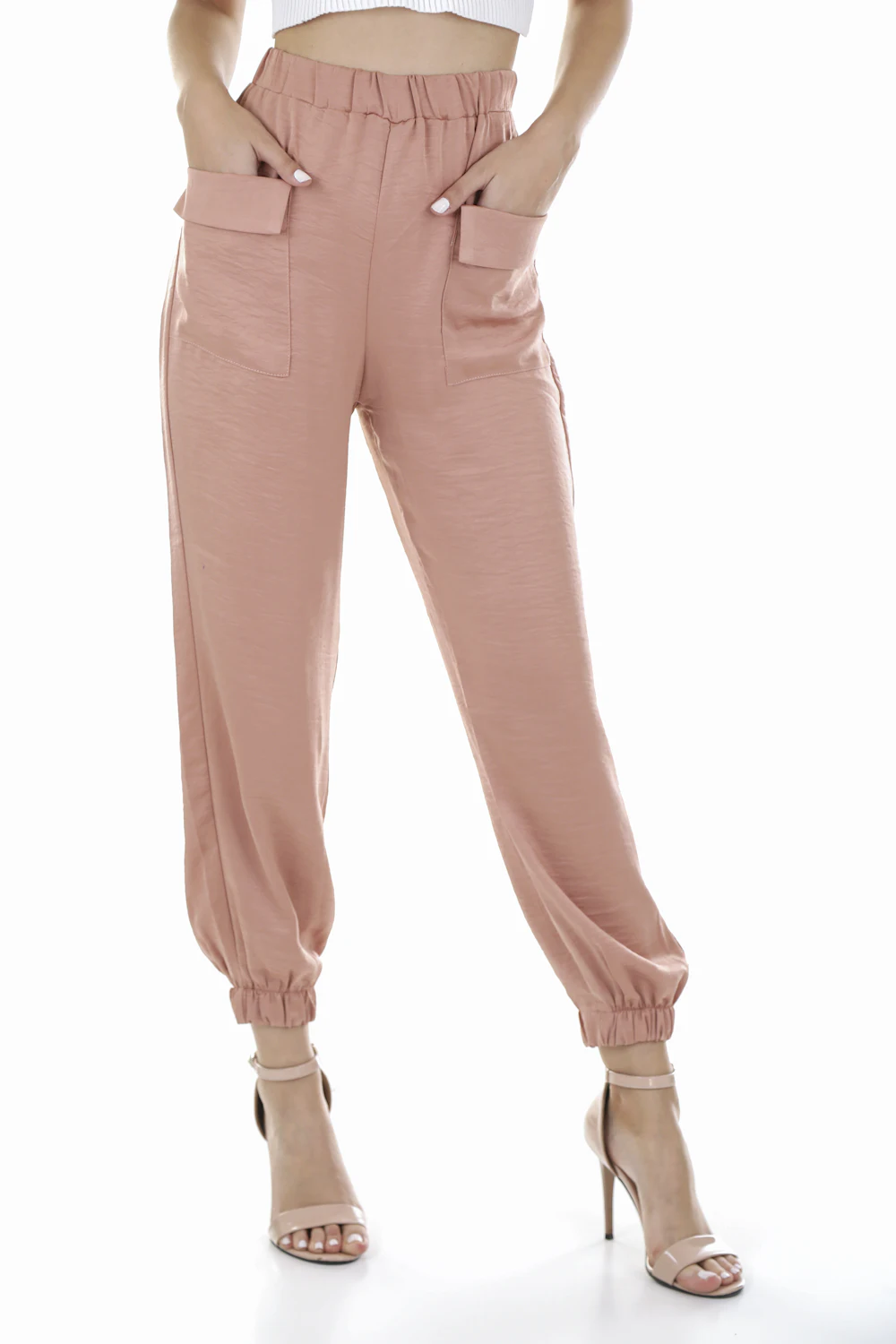
PRP Apparel’s Cargo Pants and Utility Bottoms Capability
PRP Apparel produces cargo pants and utility shorts as part of its Streetwear product line from its Dongguan, Guangdong facility, with cut-and-sew construction available in both patch and full bellows pocket styles. Production starts at 50 pieces per style, the same minimum that applies across the rest of the Streetwear category, with a 35 to 45 day bulk lead time from an approved sample and a 12 to 15 day sample turnaround.
Screen print, DTG, and embroidery are available for branding on the leg panel or pocket flap, and fabric sourcing draws from mills within the Pearl River Delta supply chain, the same regional access that supports the 240 to 320 GSM twill weights this category typically needs. Buyers moving from a jogger or sweatpants line into cargo styling can review the construction differences in the sweatpants manufacturer guide before finalizing a tech pack, since the hem, waistband, and panel logic differ meaningfully between the two bottoms categories. The same YKK-or-equivalent hardware standard applies to the zip closures covered in the track jacket manufacturer guide, for brands sourcing both a cargo bottom and matching outerwear from one factory.
Summary Table: Cargo Pants Manufacturing Specs
| Spec | Detail |
|---|---|
| MOQ | 50 pieces per style |
| Sample lead time | 12–15 days |
| Bulk lead time | 35–45 days from approved sample |
| Sample cost | $80–$250 per sample set |
| Fabric weight | 240–320 GSM cotton/cotton-blend twill (180–220 GSM for fashion-cargo styling) |
| Pocket construction | Patch or full bellows |
| Closure options | Snap, hook-and-loop, or zip (YKK or equivalent) |
| Panel count | 8–16 depending on positioning |
| Decoration | Screen print, DTG, embroidery |
External Standards Reference
Seam and stitch strength on load-bearing garments like cargo pants can be verified against ASTM D1683, the standard test method for failure in sewn seams of woven fabrics, which measures the force a sewn seam withstands before failure, a relevant benchmark when a factory claims “reinforced” pocket stitching without a test result to back it. For fabric chemical safety, buyers can request OEKO-TEX Standard 100 certification on the twill or ripstop fabric used, confirming it’s tested free of harmful substance levels regardless of the country of manufacture.
Frequently Asked Questions
What’s the difference between bellows and patch cargo pockets?
A bellows pocket has an expandable, folded side panel that lets it hold volume without straining the seams, standard on genuine utility and tactical cargo pants. A patch pocket is a flat panel stitched directly to the leg with no expansion, faster to produce and suited to a fashion-cargo silhouette where the pocket is more visual than load-bearing.
What GSM fabric weight should cargo pants use?
Most cargo pants use 240 to 320 GSM cotton or cotton-blend twill, heavier than standard chinos or joggers because the added pockets and panels need a fabric that resists sagging under load. A lighter 180 to 220 GSM twill works for a slim fashion-cargo style where function matters less than silhouette.
How many pockets does a standard cargo pant have?
Cargo pants typically range from two to six functional pockets: a basic style adds one cargo pocket per leg to the standard hand pockets, while a tactical-style pant adds a cargo pocket, a secondary utility pocket, and sometimes a back pocket per side, for up to six total.
What’s the MOQ for a custom cargo pants order?
PRP Apparel’s minimum order quantity for cargo pants is 50 pieces per style, matching the standard MOQ across its Streetwear product line, with the same sample and customization process available at 50 pieces as at higher volumes.
Why did my cargo pants pockets fail after a few washes?
The most common cause is a patch pocket sewn with a single row of straight stitching instead of bar-tacked reinforcement at the corners, combined with a fabric weight too light to support the pocket’s load once carrying keys, a phone, or other items. Requesting a loaded pre-production sample before bulk production catches this before it reaches customers.
Are cargo pants more expensive to manufacture than standard pants?
Yes. Additional panels, pocket construction (especially bellows-style), and hardware like YKK zippers or reinforced snaps add both fabric and sewing-time cost compared to a standard two-pocket chino or jogger, typically reflected in a higher per-unit quote at the same fabric weight.
To discuss a cargo pants or utility bottoms project, including pocket construction, closure hardware, fabric weight, and timeline, reach out directly via the inquiry form.
Related Reading
Related Manufacturing Services
Ready to Start Your Clothing Project?
- MOQ from 50 pieces per style
- OEM and private label production
- Sample development support
- Fabric sourcing
- Quality inspection before shipment
- Worldwide shipping support