
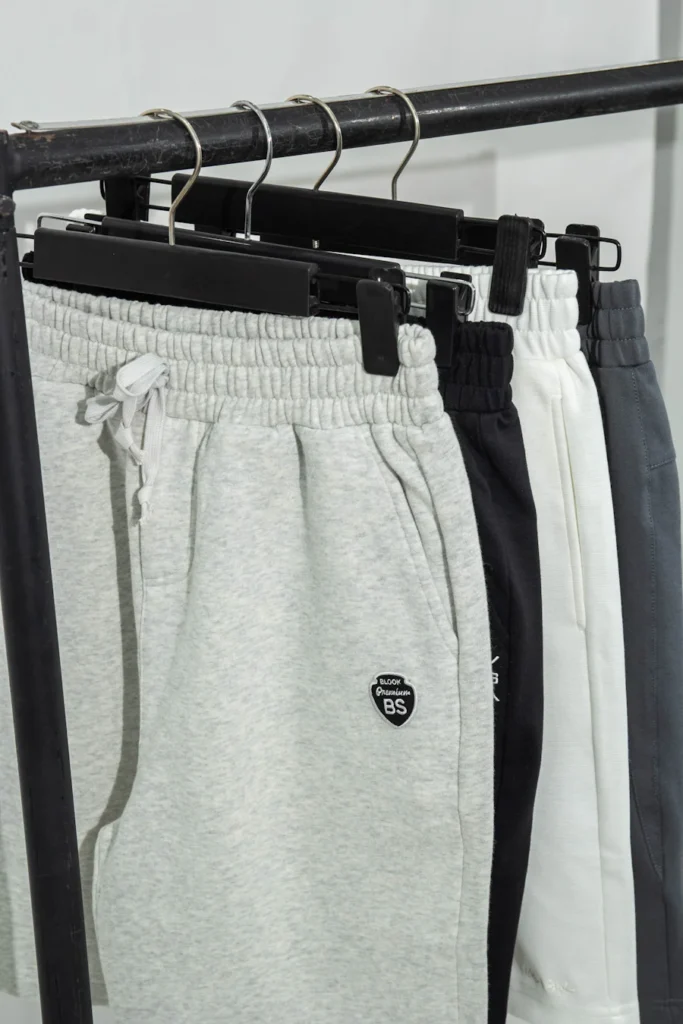
A Los Angeles streetwear label emailed three factories in Guangzhou asking for a sweatpants manufacturer quote and got the same 500-piece minimum from all three. When PRP Apparel quoted 50 pieces per style, the founder sent over the tech pack — and the first sample that came back had a tapered ankle and a ribbed elastic cuff, not the loose, open-hem cut she’d sketched. The factory had built a jogger. She’d ordered sweatpants. Nobody had asked which one she meant, because in most factory quoting systems, the two words get treated as interchangeable.
They aren’t. A sweatpants manufacturer and a jogger manufacturer are frequently the same factory running the same fleece and the same machines — the difference lives in the hem, the waistband, and the fit block, not in some separate production line. Getting that distinction wrong at the tech pack stage is the single most common reason a first sweatpants sample comes back wrong.
Why the Terminology Gets Confused
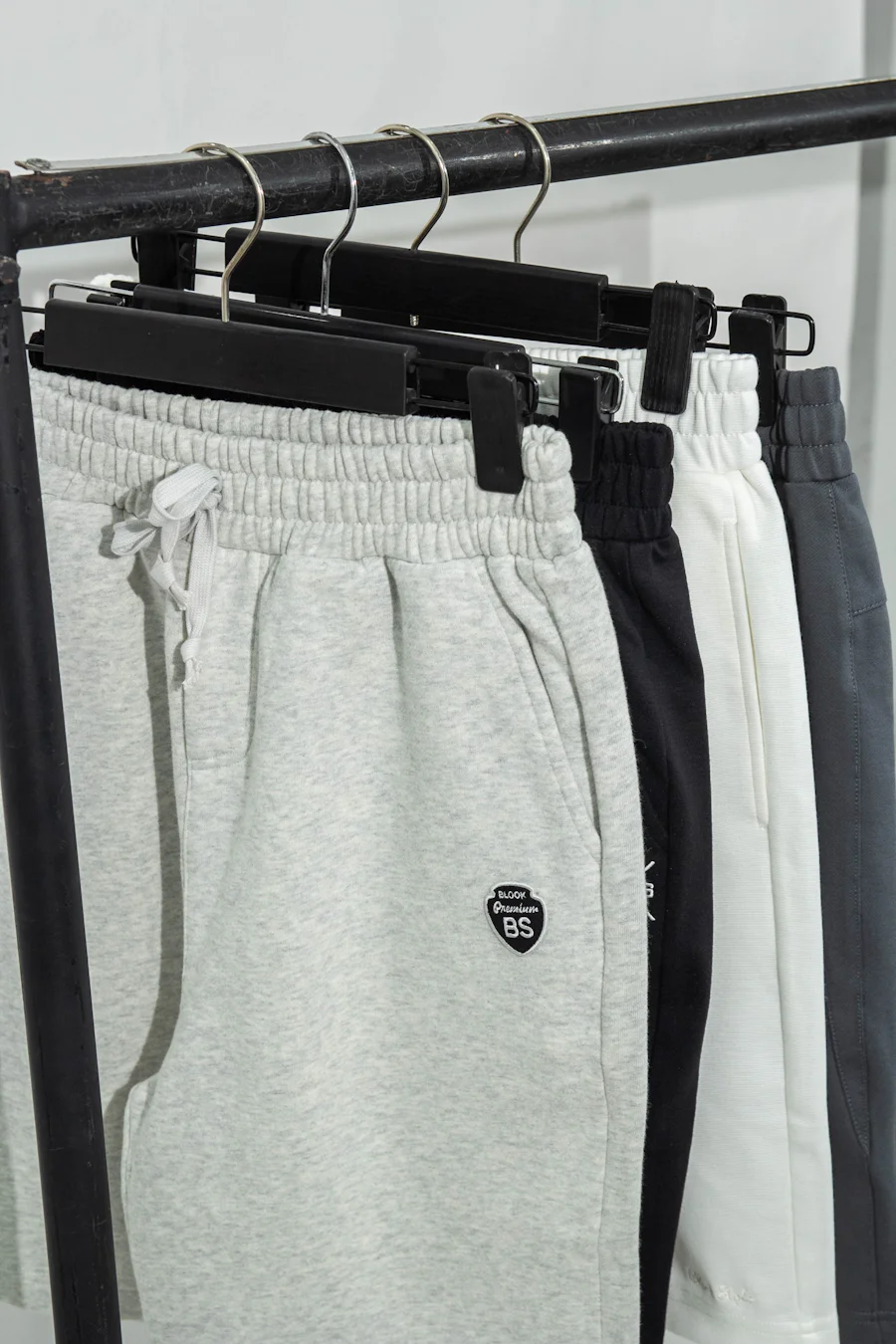
Sweatpants and joggers both descend from the same garment: loose-fitting fleece bottoms designed for warmth and movement, originally built for athletes between training sessions. Through the 1980s and 1990s, “sweatpants” meant a straight or slightly tapered leg with an open or lightly elasticated hem — gym-issue, not fashion-forward.
The jogger silhouette emerged later as a streetwear reinterpretation: a tapered leg that narrows toward the ankle, finished with a ribbed or elasticated cuff that sits snug against the skin. Both garments share the same fleece base and the same waistband logic (elastic, often paired with a drawcord), but the leg opening and the taper are where they diverge.
Factories that produce one almost always produce the other, because the pattern change is a grading adjustment, not a new machine setup. The confusion isn’t about capability — it’s about which spec a buyer actually wants, and whether that gets written down before cutting starts.
Hem Construction Is the Real Dividing Line
- Open hem (classic sweatpants): Straight-cut leg opening, no cuff, sometimes a single row of coverstitch to prevent fraying. Reads as relaxed, athletic, retro.
- Ribbed or elastic cuff (jogger): A separate ribbed knit panel or folded elastic band sewn to the hem, drawing the ankle in. Reads as tailored, streetwear-driven.
- Banded hem (hybrid): A wider, softer knit band than a true jogger cuff, used on relaxed-fit sweatpants that still want a finished ankle rather than a raw edge.
None of these require different fleece or different core machinery — they require a different pattern piece at the ankle and a buyer who specifies which one they want before the tech pack gets approved.
Fleece Fabric and GSM Range for Sweatpants
Sweatpants sit in the same fleece-construction category as hoodies, because most brands order them as a matching set. That means two GSM ranges are both legitimate, depending on what the garment needs to match:
Streetwear-weight fleece (200–280 GSM): This is the range PRP Apparel runs for jogger pants and cargo pants under its streetwear line — cut-and-sew cotton/poly fleece, mid-weight, suitable for three-season wear. If a brand is ordering standalone sweatpants without a matching hoodie, this weight covers most requests.
Hoodie-matching fleece (280–400 GSM): PRP Apparel’s hoodie fleece runs heavier, using the same cotton/poly blends and French terry constructions detailed in the guide on fabric types and GSM for clothing brands. Brands building a matching hoodie-and-sweatpants set should specify the heavier weight for both pieces — ordering the hoodie at 320 GSM and the pants at 220 GSM produces a set that feels mismatched in hand, even if the color is identical.
Fleece construction itself comes in two forms. Loopback (French terry) has an uncut loop on the reverse side, breathes better, and drapes softer — common on premium sweatpants. Brushed fleece has the loops cut and brushed into a napped surface, traps more heat, and costs slightly less per kilogram at the mill. Neither is objectively better; the choice depends on climate positioning and price point.
Waistband and Drawcord Construction
Nearly every sweatpants and jogger order uses one of three waistband builds:
- Fold-over elastic only: Fabric folds over a single elastic band, stitched at top and bottom. Cheapest, least adjustable, common on entry-price sweatpants.
- Elastic plus flat drawcord: Elastic band with a flat woven drawcord threaded through eyelets — the standard for mid-to-premium sweatpants and joggers, since it lets the wearer adjust fit without changing the elastic tension.
- Elastic plus round drawcord with metal aglets: Same structure, upgraded cord and hardware, typically reserved for premium or limited-run drops where the drawcord doubles as a visible brand detail.
Specify which build in the tech pack. “Elastic waistband” alone leaves the factory to guess whether a drawcord is included, and drawcord eyelets are punched at a different stage of construction than a plain elastic channel — a mid-production change here delays the whole run.
Verifying a Factory Actually Builds What You Specified
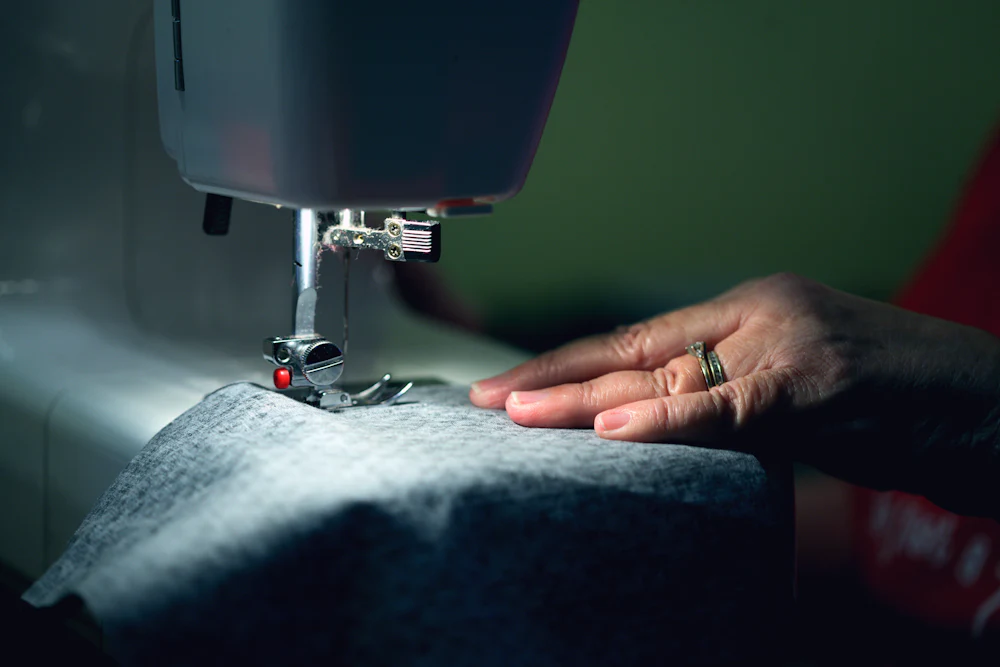
The gap between “sweatpants” and “jogger” is the most common miscommunication, but it’s not the only one. Before committing to bulk production, confirm the following against the pre-production sample:
- Hem opening measurement: Measure the ankle opening on the sample against the tech pack’s stated measurement. A half-inch difference at the hem changes the garment from relaxed to tapered.
- GSM verification: Ask for a fabric swatch with a stated GSM and, for larger orders, a mill-issued test report. Factories occasionally substitute a lighter fleece mid-order to cut cost — a swatch comparison at bulk delivery catches this before the shipment leaves Dongguan.
- Pocket placement and depth: Side-seam pockets, patch pockets, and back pockets all sit at slightly different positions depending on the fit block. Confirm pocket depth on the sample; a pocket that’s too shallow for a phone is a common first-sample defect.
- Drawcord and hardware sourcing: If the drawcord or aglets came from a different supplier than quoted, the color match or hardware finish can shift slightly between sample and bulk. Request confirmation that bulk trims come from the same source as the approved sample.
A factory that resists a written spec sheet, or that treats “sweatpants” and “joggers” as fully interchangeable without asking which construction a buyer wants, is a factory that hasn’t built enough of either to know the difference matters. Working from an approved tech pack that states hem type, waistband build, and GSM in writing removes the ambiguity before cutting starts.
Sweatpants vs. Joggers vs. Track Pants
| Attribute | Sweatpants (classic) | Joggers | Track Pants |
|---|---|---|---|
| Leg opening | Open or lightly banded hem | Ribbed or elastic cuff | Ribbed or zippered cuff |
| Fit through leg | Straight to relaxed | Tapered | Slim to tapered |
| Typical fabric | Brushed fleece, French terry | Brushed fleece, French terry | Tricot, bonded fleece |
| Typical GSM | 200–280 GSM | 200–280 GSM (280–400 GSM for hoodie-matching sets) | 180–260 GSM |
| Waistband | Elastic, sometimes drawcord | Elastic plus drawcord (standard) | Elastic plus drawcord |
| Common construction | Cut-and-sew | Cut-and-sew | Cut-and-sew, occasional side taping |
Producing Sweatpants at PRP Apparel
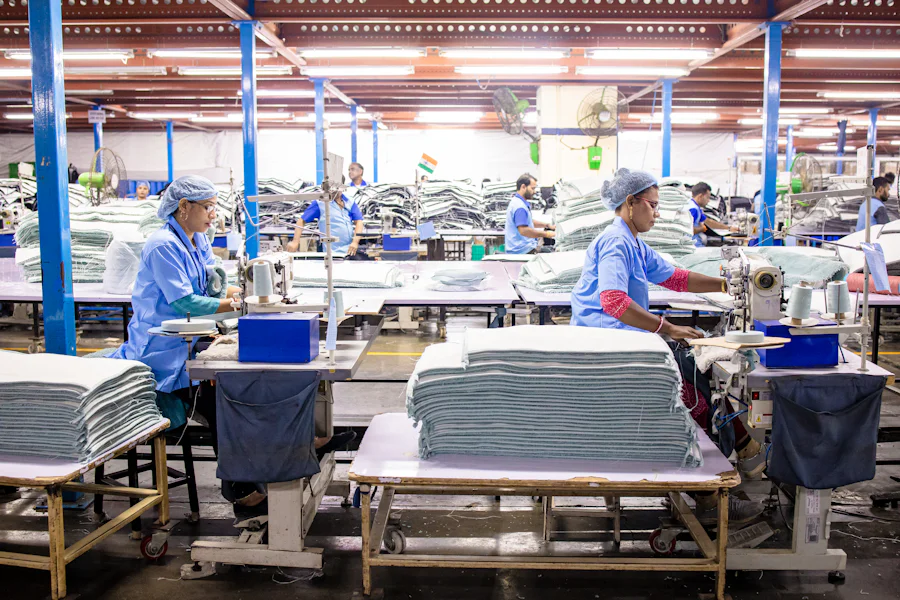
PRP Apparel builds sweatpants and jogger pants within its streetwear product line at the same 50-piece-per-style minimum that applies across every category — not 50 pieces total across a multi-colorway order, but 50 pieces of one style in one colorway. Fabric comes from mills within the Pearl River Delta supply chain, the same source used for the fleece in PRP’s hoodie line, which makes matching a hoodie-and-sweatpants set a same-mill, same-dye-lot request rather than a cross-supplier color-matching exercise.
Cut-and-sew construction is done in-house, so a change from open hem to ribbed cuff between sample rounds doesn’t require re-routing the order to a different subcontractor. Sample lead time runs 12–15 days from order confirmation, with sample cost between $80 and $250 per set depending on hardware and trim complexity, and bulk production ships 35–45 days from approved sample. OEKO-TEX Standard 100 certified fleece is available across the line for brands selling into markets that require fabric-level compliance documentation.
Sweatpants Manufacturing Reference Table
| Spec | Detail |
|---|---|
| MOQ | 50 pieces per style |
| Sample lead time | 12–15 days from order confirmation |
| Sample cost | $80–$250 per sample set |
| Bulk lead time | 35–45 days from approved sample |
| Fabric weight | 200–280 GSM (standalone); 280–400 GSM (hoodie-matching sets) |
| Fabric options | Brushed cotton/poly fleece, French terry (loopback) |
| Waistband options | Fold-over elastic; elastic + flat drawcord; elastic + round drawcord with aglets |
| Hem options | Open hem; ribbed cuff; banded hem |
| Certification | OEKO-TEX Standard 100 (fabric) |
For fabric fundamentals beyond fleece — cotton/poly ratios, GSM ranges across categories, and how weight affects drape and cost — the guide on fabric types and GSM for clothing brands covers the full range. Brands entering the streetwear category for the first time should also review how to negotiate MOQ with clothing manufacturers, since per-style versus per-colorway structuring applies to sweatpants exactly as it does to any other category. Brands sourcing a matching hoodie for the same drop can review the fleece construction detail in the guide on hoodie manufacturing from fabric selection to warehouse, and brands adding custom drawcord aglets or waistband branding can check custom labels and packaging for what’s available at the same 50-piece MOQ.
Colorfastness testing under ISO 105-C06 is worth requesting on any fleece order, since sweatpants see heavier laundering frequency than most outerwear categories and pilling or dye bleed shows up fastest on lighter colorways. Fabric certified to OEKO-TEX Standard 100 covers the chemical-safety side of the same compliance conversation.
Frequently Asked Questions
What’s the actual difference between sweatpants and jogger pants in manufacturing?
The fleece, waistband, and core construction are usually identical. The difference is the hem: sweatpants use an open or lightly banded hem with a straight-to-relaxed leg, while joggers use a ribbed or elastic cuff with a tapered leg. Both come off the same cut-and-sew line at most factories.
What’s the minimum order quantity for custom sweatpants?
50 pieces per style is standard at PRP Apparel, matching the MOQ structure used across every product category. That’s 50 pieces of one style in one colorway, not 50 pieces split across multiple colors or styles.
What fabric weight (GSM) works best for sweatpants?
200–280 GSM covers most standalone sweatpants orders. Brands pairing sweatpants with a matching hoodie should specify 280–400 GSM to match the heavier fleece typically used in hoodie construction, since a mismatched weight between top and bottom feels inconsistent even in the same color.
Can sweatpants be made to match a hoodie for a matching set?
Yes, when both pieces are sourced from the same fleece mill and dye lot. Requesting the hoodie and sweatpants at the same GSM and fabric construction (both brushed fleece, or both French terry) avoids a visible or tactile mismatch between the two garments.
How long does bulk production take for custom sweatpants?
35–45 days from an approved pre-production sample, consistent with standard cut-and-sew lead times across PRP Apparel’s product lines. Sample development ahead of that runs 12–15 days per round.
What’s the difference between an open hem and an elastic cuff on sweatpants?
An open hem is a straight leg opening, sometimes finished with a single row of stitching to prevent fraying — the classic sweatpants look. An elastic or ribbed cuff draws the ankle in, which is the defining feature of a jogger. Specify which one in the tech pack, since the pattern piece at the ankle differs between the two.
To discuss your sweatpants or jogger project — fleece weight, hem construction, waistband hardware, and MOQ — reach out directly via the inquiry form.
Related Reading
- Streetwear Manufacturer China
- Hoodie Manufacturing: The Complete Process
- Fabric Types and GSM for Clothing Brands
Related Manufacturing Services
Ready to Start Your Clothing Project?
- MOQ from 50 pieces per style
- OEM and private label production
- Sample development support
- Fabric sourcing
- Quality inspection before shipment
- Worldwide shipping support