
A Melbourne-based loungewear startup sent PRP Apparel a tech pack marked “100% bamboo jersey,” ready for production. A compliance review caught the wording before the first sample cut: no U.S. or Australian retailer would clear that label, and a competitor reporting it to the FTC could get the SKU pulled from sale entirely. The brand’s previous bamboo fabric clothing manufacturer had used the word the way most factories do, loosely, without disclosing that the actual fiber was viscose rayon processed from bamboo pulp. Fixing the label took one email. Finding a manufacturer who would have caught the problem before the tech pack was approved took four months and two failed supplier relationships.
What “Bamboo Fabric” Actually Means
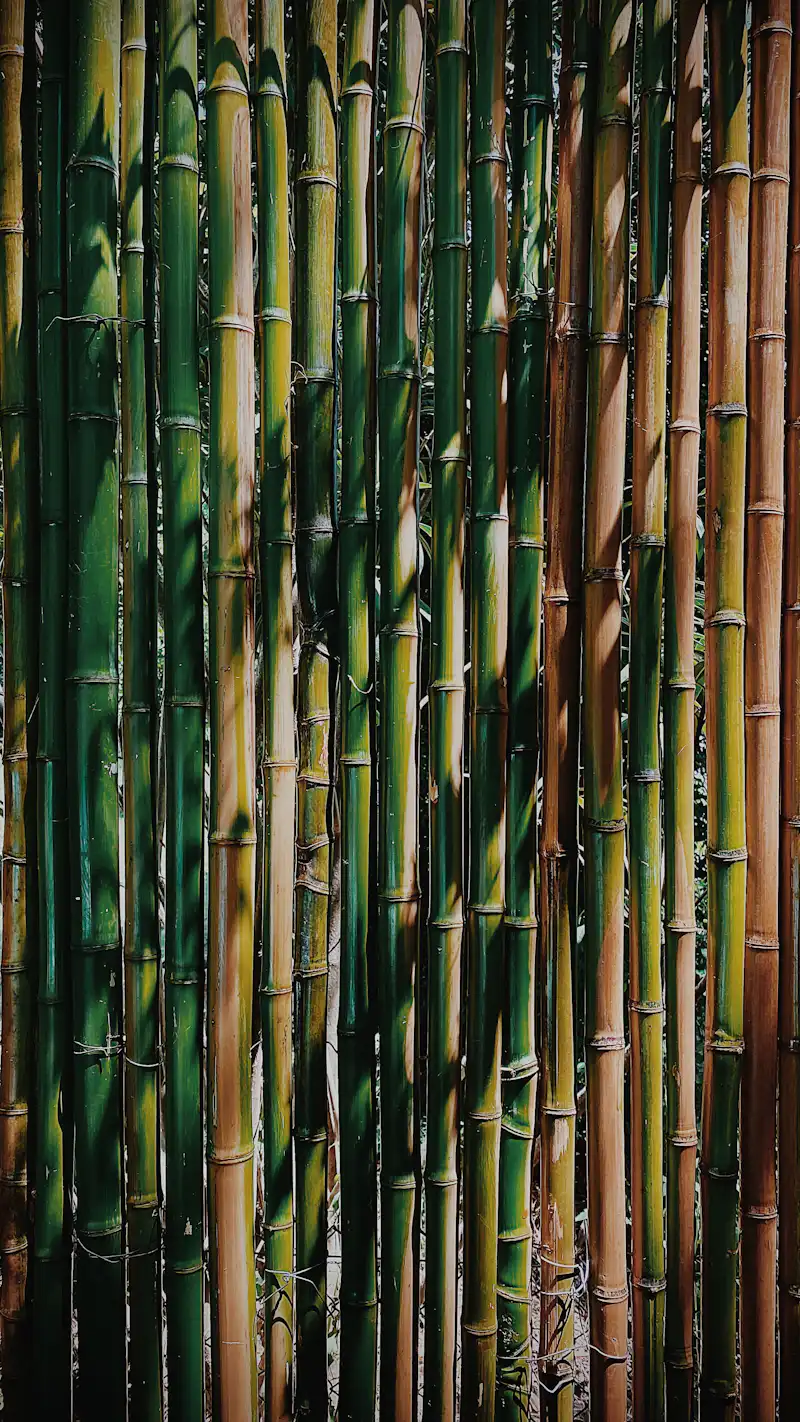
Almost no bamboo textile on the market is made from bamboo fiber directly. Raw bamboo is a woody grass, and its natural fiber is too stiff and short to spin into the soft jersey buyers picture when they hear “bamboo fabric.” To get a wearable textile, mills dissolve bamboo pulp with chemical solvents and extrude it into a soft, regenerated cellulose fiber, the same category of process used to make rayon from wood pulp or cotton linters.
That distinction is not cosmetic. It’s the difference between a textile fiber classification that regulators recognize and one that gets a brand’s listing flagged. Two processes dominate the category, and buyers who confuse them end up sourcing the wrong fabric for their target market.
Bamboo also shows up as a blend component rather than a standalone fabric in most finished garments. A manufacturer quoting “bamboo fabric” without specifying the process or the blend ratio hasn’t actually given a buyer enough information to spec a garment.
Bamboo Viscose vs. Bamboo Lyocell
Bamboo viscose (also sold as bamboo rayon) uses an open-loop chemical process: bamboo pulp is dissolved in carbon disulfide and sodium hydroxide, then regenerated into fiber. It’s the cheaper, more widely available option, and it produces the silky, fluid drape most buyers associate with “bamboo” T-shirts and loungewear. The tradeoff is a heavier chemical and water footprint during processing, since the solvents used aren’t recovered in a closed loop.
Bamboo lyocell uses a closed-loop solvent process, similar to the method behind branded fibers like Tencel, where the solvent is captured and reused rather than discharged. It costs more per kilogram than bamboo viscose, holds shape slightly better after repeated washing, and appeals to brands building a sustainability claim that needs to survive scrutiny beyond “made from a plant.” Buyers who need a defensible environmental claim, not just a marketing one, should specify lyocell processing on the tech pack and request mill documentation confirming it.
Which Product Categories Use Bamboo Fabric
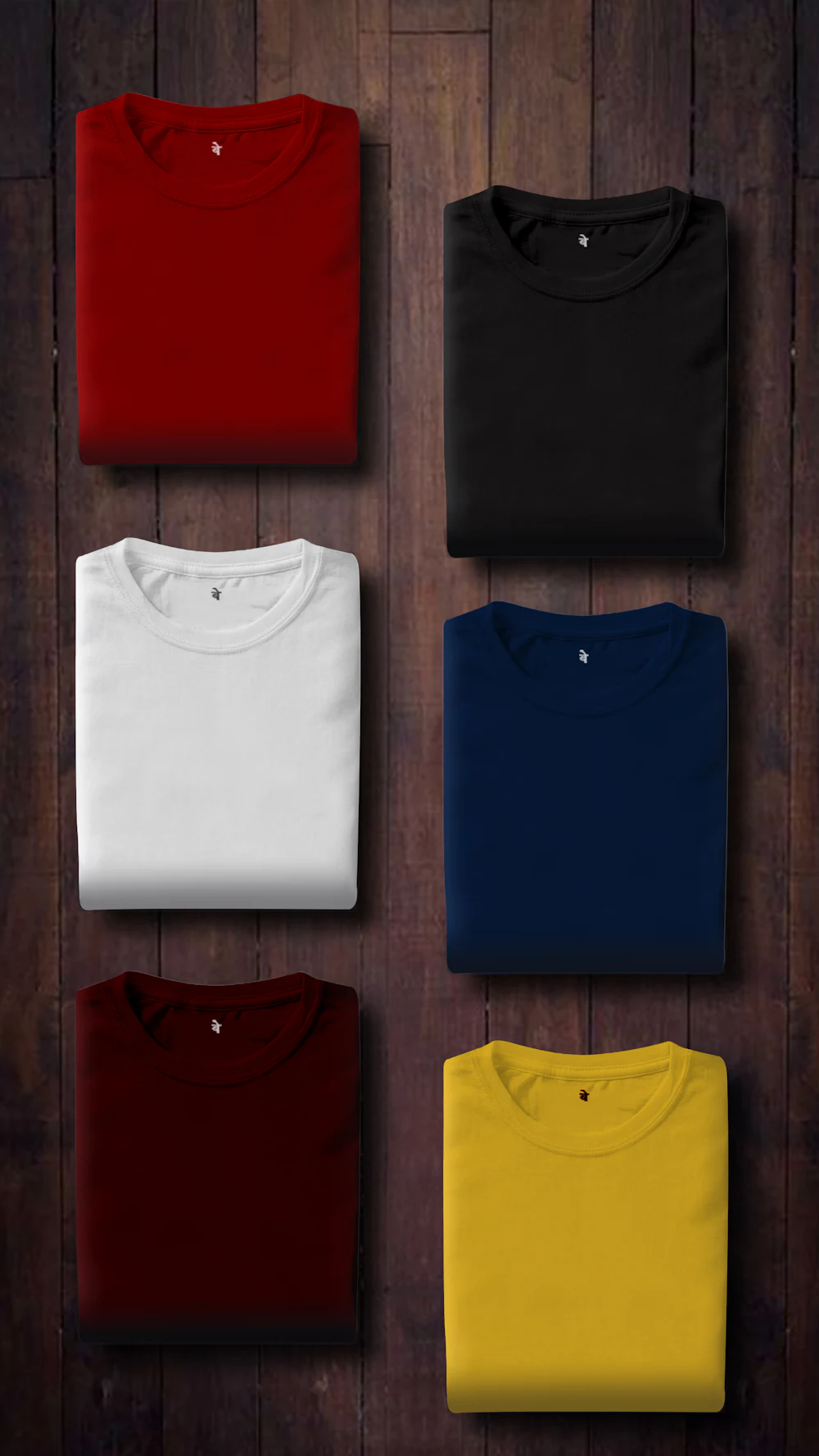
Bamboo fiber works as a blend component across three categories PRP Apparel produces. Standard crew-neck and oversized tees use bamboo-cotton blends at the same 140–200 GSM range as the broader oversized t-shirt manufacturer category, with bamboo viscose typically making up 30–40% of the blend to add drape without sacrificing the shape retention cotton provides. Lounge sets, pajama sets, and sleep shirts use bamboo alongside modal and cotton jersey, prioritizing the softness and breathability bamboo viscose adds at body-contact contact points; see the loungewear manufacturer guide for construction specifics on the category. Underwear, briefs, and base layers use bamboo blended with micro modal or cotton-spandex in seamless circular-knit construction, where bamboo’s moisture management matters most against skin worn for extended periods, a category covered in the guide to choosing an underwear manufacturer.
Bamboo fabric is not currently a fit for structured outerwear, denim-weight bottoms, or anything requiring a stiff hand-feel. A factory offering “bamboo cargo pants” or “bamboo hoodies” at standard fleece weights is either using a token bamboo percentage that doesn’t affect hand-feel, or misrepresenting the fabric.
Blend Ratios and Why Pure Bamboo Rarely Ships
A 100% bamboo-viscose garment is technically possible but rare in commercial production, because pure viscose has weaker wet strength than cotton and pills faster under repeated washing. Most commercial “bamboo fabric” runs a blend: 70/30 or 60/40 bamboo-viscose to cotton for T-shirts and loungewear, or bamboo blended with 5–10% spandex for stretch recovery in fitted styles like underwear and base layers. The blend ratio should appear on the tech pack and the finished garment’s fiber content label, not just in marketing copy.
Buyers sourcing on the strength of a “bamboo” listing without a specified blend ratio are sourcing blind. Ask for the exact percentage before approving a bulk order, not after receiving a shipment that feels different from the sample.
Verifying a Manufacturer’s Bamboo Claims Before Bulk Production
Three checks separate a factory that actually works with bamboo fiber from one repeating a marketing term it picked up from a fabric broker.
First, request the mill’s fiber content certificate for the specific fabric lot, not a general company brochure. The certificate should state the fiber classification (viscose, lyocell, or a blend) and the percentage breakdown. A factory that can’t produce lot-specific documentation is likely buying whatever “bamboo-adjacent” fabric is available that week rather than sourcing a consistent, specified material.
Second, check the actual label wording the factory proposes for the finished garment, not just the fabric name used in conversation. Fabric processed from bamboo must be labeled as rayon or viscose made from bamboo under U.S. Textile Fiber Products Identification Act rules, and cannot be sold as “100% bamboo” or implied to be a natural, unprocessed fiber. A manufacturer unfamiliar with this distinction will draft a label that gets a retail buyer’s compliance team involved after production, not before.
Third, ask for substantiation behind any antibacterial or odor-resistant claim. Regulators have penalized companies for marketing bamboo-derived rayon as inherently antimicrobial without independent test data, since the processing that turns bamboo pulp into viscose fiber removes most of the antimicrobial compounds present in raw bamboo. If a factory wants that claim on a hangtag, the claim needs a lab test behind it, not an assumption carried over from bamboo’s reputation as a plant.
Bamboo vs. Cotton vs. Modal: How the Fabrics Compare
| Attribute | Bamboo Viscose | Cotton | Modal |
|---|---|---|---|
| Feel | Silky, fluid drape | Structured, matte | Smooth, slightly silkier than cotton |
| Moisture-wicking | Strong | Moderate | Strong |
| Shrinkage after washing | Higher than cotton unless blended | Low to moderate | Low |
| Typical GSM (apparel-weight) | 160–200 GSM as a blend component | 140–220 GSM | 150–200 GSM |
| Common blend partners | Cotton, spandex | Polyester, spandex, bamboo | Cotton, spandex |
| Best-suited categories | Loungewear, T-shirts, base layers | All-purpose, T-shirts, sweats | Loungewear, underwear |
Sourcing Bamboo Fabric Categories at PRP Apparel
PRP Apparel produces bamboo-cotton blend tees, bamboo and modal loungewear, and bamboo-blend underwear and base layers from the Dongguan factory, at the standard 50-piece MOQ per style that applies across every product line. Fabric comes from mills within the Pearl River Delta supply chain that can supply lot-specific fiber content certificates on request, which matters more for bamboo than for most fabrics given the labeling scrutiny described above. OEKO-TEX Standard 100 certification is available on bamboo-blend fabric the same way it’s available across other product lines, covered in more depth in the guide to sustainable clothing certifications for apparel brands.
Lead time runs the standard 35–45 days from an approved sample, with samples taking 12–15 days and costing $80–$250 per set depending on style complexity, matching the figures in the guide on how to negotiate MOQ with clothing manufacturers. Per-unit pricing for bamboo-blend styles falls within the same range as the equivalent standard-fabric version of the category, since bamboo affects the fabric’s feel and drape more than it changes the cut-and-sew cost: an oversized bamboo-cotton tee prices in the same $8–$14 band as the standard oversized tee, and a bamboo-modal lounge set falls in the same $15–$25 range as the modal lounge set. For a broader look at how fiber choice interacts with weight and cost across categories, the guide on fabric types and GSM covers the underlying material selection process.
Bamboo Fabric Sourcing Summary
| Category | Bamboo Blend | Typical GSM | Price Range (50 pcs) |
|---|---|---|---|
| Oversized/standard tees | 30–40% bamboo-viscose, cotton | 140–200 GSM | $8–$14/unit |
| Lounge sets | Bamboo, modal, cotton jersey | 150–200 GSM | $15–$25/unit |
| Pajama sets | Bamboo, cotton jersey | 150–200 GSM | $12–$20/unit |
| Underwear/base layers | Bamboo, micro modal, cotton-spandex | 160–200 GSM | Quoted per style |
External references for labeling and certification rules: the FTC’s guidance on bamboo textile labeling and the OEKO-TEX Standard 100 certification overview.
Frequently Asked Questions
Is bamboo fabric actually made from bamboo?
The fiber originates from bamboo pulp, but the finished textile is almost always rayon or lyocell, a regenerated cellulose fiber processed with chemical solvents, not a natural fiber spun directly from the plant. U.S. regulations require the fiber content label to say “rayon (or lyocell) made from bamboo,” not “100% bamboo.”
Is bamboo fabric more expensive than cotton?
Bamboo viscose runs a modest premium over standard cotton due to processing costs, though blended fabrics (bamboo-cotton, bamboo-modal) price close to their equivalent all-cotton or all-modal counterparts since bamboo typically makes up 30–40% of the blend rather than the whole fabric.
Is bamboo fabric antibacterial?
Raw bamboo has natural antimicrobial compounds, but the chemical processing that converts bamboo pulp into viscose fiber removes most of them. Brands making an antibacterial claim on a bamboo-viscose product need independent lab substantiation behind it, not an assumption carried over from the raw plant’s properties.
What’s the difference between bamboo viscose and bamboo lyocell?
Bamboo viscose uses an open-loop chemical process and costs less; bamboo lyocell uses a closed-loop solvent process that’s recovered and reused, costs more, and supports a more defensible sustainability claim. Both start from the same bamboo pulp.
What’s the MOQ for bamboo fabric clothing?
50 pieces per style, the same minimum that applies across PRP Apparel’s other product categories, whether the order is bamboo-cotton tees, bamboo-modal loungewear, or bamboo-blend underwear.
Can bamboo fabric be OEKO-TEX certified?
Yes. OEKO-TEX Standard 100 certification applies to the finished fabric regardless of fiber source, and it’s available on bamboo-blend fabric the same way it’s available across PRP Apparel’s other product lines.
To discuss your bamboo fabric clothing project, styles, blend ratios, fabric specs, timeline, and pricing, reach out directly via the inquiry form.
Related Reading
- Oversized T-Shirt Manufacturer
- Loungewear Manufacturer Guide
- Sustainable Clothing Certifications for Apparel Brands
Related Manufacturing Services
Products We Manufacture
Ready to Start Your Clothing Project?
- MOQ from 50 pieces per style
- OEM and private label production
- Sample development support
- Fabric sourcing
- Quality inspection before shipment
- Worldwide shipping support