
Last November, a sleepwear brand founder from Melbourne sent us a familiar email: her loungewear manufacturer wanted 1,000 pieces per style per colorway, and her three-piece lounge set collection would have required a 12,000-unit commitment before she had sold a single set. She needed 150 sets to test the collection. Six months later she reordered twice and expanded to five styles. The gap between those two positions — what factories demand and what growing brands can actually risk — decides whether a loungewear line launches or dies in a spreadsheet.
What This Guide Covers
- What loungewear manufacturing includes
- Fabric choices and GSM ranges that define the category
- Realistic MOQs and per-unit costs
- Sampling and production timelines
- Compliance and quality checkpoints
- FAQ
What Loungewear Manufacturing Includes
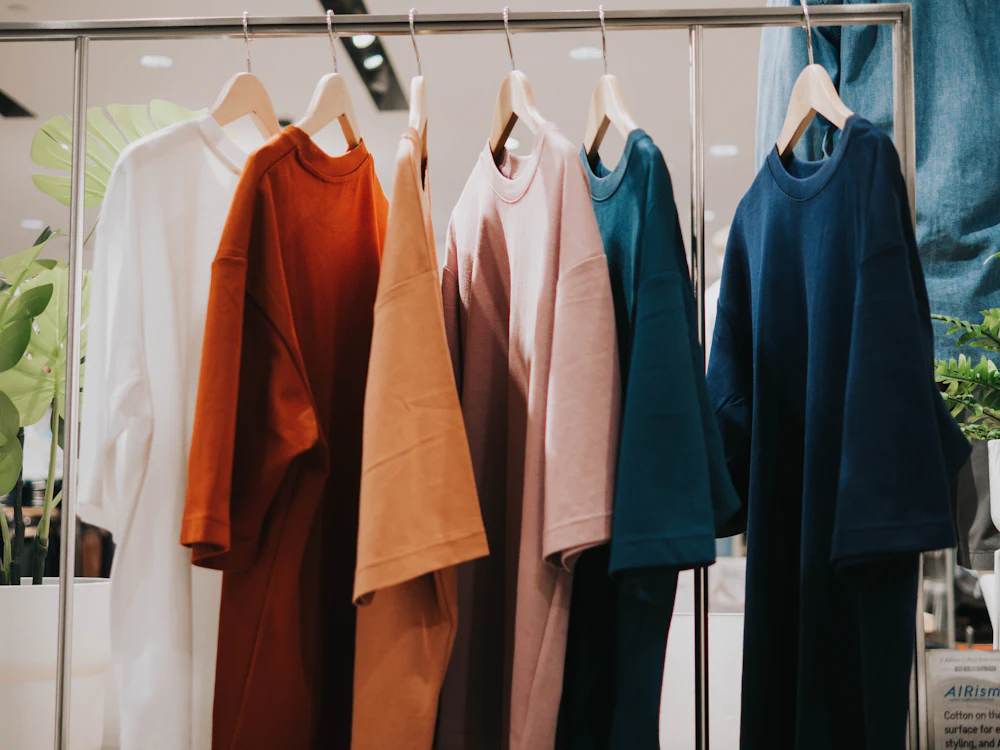
A loungewear manufacturer produces comfort-first apparel worn at home and, increasingly, outside it: matching lounge sets, joggers and lounge pants, oversized tees, sleep shorts, robes, and knit two-pieces. The category sits between sleepwear and casualwear, and that positioning matters for production. Cut-and-sew knit construction dominates, seam comfort takes priority over structure, and fabric hand-feel carries more of the buying decision than in almost any other apparel category.
Production overlaps heavily with underwear and basics manufacturing — the same flatlock and coverstitch equipment, the same knit-handling experience. If a factory already runs underwear production lines, loungewear is usually within its capability. The reverse is not always true: a woven-shirt factory taking on knit lounge sets is a red flag worth questioning during sourcing calls.
Fabric Choices That Define the Category
Five fabrics cover roughly 90% of commercial loungewear production:
- Cotton jersey, 160–200 GSM — the default for tees and sleep shorts; breathable, inexpensive, easy to print
- French terry, 240–320 GSM — loop-back knit for joggers and sweatshirts; the workhorse of premium lounge sets
- Waffle knit, 200–280 GSM — thermal texture, photographs well, strong in fall/winter collections
- Modal and micromodal blends, 150–180 GSM — beechwood-derived, noticeably softer drape, adds roughly $0.80–$1.50 per unit over cotton jersey
- Bamboo viscose, 160–200 GSM — soft with a sustainability story, though buyers should verify closed-loop processing claims before printing them on hangtags
GSM tolerance matters more in loungewear than most categories because weight is the customer’s first quality signal. A spec of 280 GSM french terry delivered at 240 GSM feels like a different product. Write GSM into the tech pack with a ±5% tolerance and weigh fabric at inspection — our fabric and GSM guide covers the measurement method in detail.
Realistic MOQs and Per-Unit Costs
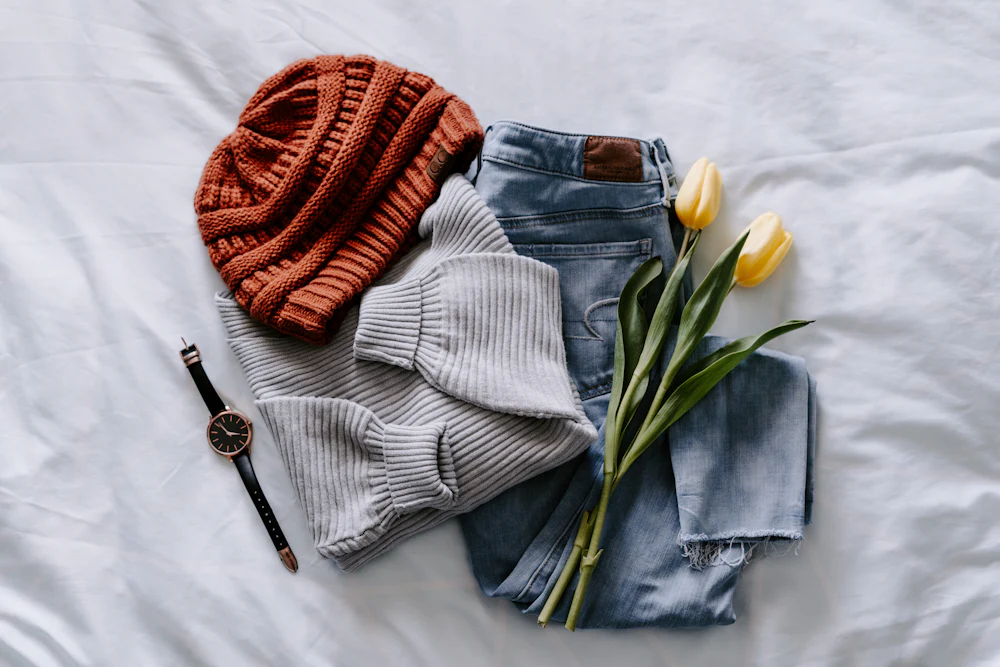
Loungewear MOQs run lower than outerwear because knit fabrics are stocked in greige and dyed to order at smaller lot sizes. Numbers we see across Guangdong factories in 2026:
| Product | Typical MOQ (per style/color) | FOB unit cost range | Production time |
|---|---|---|---|
| Cotton jersey tee | 50–100 pcs | $3.20–$5.50 | 15–20 days |
| Lounge shorts | 50–100 pcs | $3.80–$6.00 | 15–20 days |
| French terry jogger | 100 pcs | $7.50–$12.00 | 20–25 days |
| Two-piece lounge set | 100 sets | $11.00–$18.00 | 20–30 days |
| Waffle-knit robe | 100 pcs | $9.00–$15.00 | 25–30 days |
Two cost drivers surprise first-time buyers. Matching sets must be cut from the same dye lot — a top reordered alone three months later will not match the shorts already in customers’ drawers, so plan set reorders together. And custom dyed-to-match ribbing or drawcords can add 7–10 days if the trim supplier misses the lot; approved lab dips before bulk cut that risk. Negotiating leverage on these numbers follows the same logic as any knit program — anchor on annual volume, not first-order size, as covered in our MOQ negotiation guide. For the full picture of where each dollar goes, see the garment cost breakdown.
Sampling and Production Timeline
A realistic first-order calendar for a two-piece lounge set, assuming responsive approvals on the brand side:
- Week 1–2: tech pack review, fabric sourcing, lab dips for custom colors
- Week 2–3: proto sample sewn and shipped; expect one revision round on fit — waistband elastics and rise measurements generate the most comments
- Week 4: pre-production sample approval, bulk fabric ordered
- Week 5–8: bulk production, inline QC at cutting and first-off-line
- Week 8–9: final inspection, packing, handover to freight
Ten to twelve weeks door-to-door by sea is the honest answer for a first order; reorders compress to six to seven because fabric and fit are already approved. The stage-by-stage detail — proto, fit, PP, and what to check at each gate — follows the standard flow in our garment sampling process guide.
Compliance and Quality Checkpoints
Loungewear crosses into sleepwear territory, and sleepwear carries regulatory weight that casualwear does not. Three checkpoints belong in every program:
- Flammability: if the product is marketed as children’s sleepwear in the US, it must meet CPSC children’s sleepwear flammability standards — tight-fitting exemptions have precise dimensional rules, and “loungewear” labeling does not exempt a product that looks like pajamas
- Chemical safety: skin-contact fabric worn for eight hours a night justifies OEKO-TEX Standard 100 certified fabric; ask the factory for the certificate number and verify it in the OEKO-TEX database rather than accepting a PDF
- Wash durability: loungewear gets laundered 2–3× more often than outerwear; spec 20-wash testing for pilling, shrinkage (max 5% on knits), and colorfastness before approving bulk
Six Questions That Separate Loungewear Factories on the First Call
Factory websites all promise soft fabrics and flexible MOQs. These questions surface the differences within one phone call:
- “What percentage of your current production is knit loungewear or underwear?” Below 30%, you are the side project. The factory quoting you may subcontract your order to a workshop you never vetted.
- “Do you stock greige fabric for your standard jerseys and terries?” Stocked greige is what makes 50-piece colorways possible — the factory dyes small lots from held stock. No greige program means your real MOQ is the fabric mill’s minimum, usually 300kg per color.
- “Who supplies your ribbing and drawcords, and do you dye trims in-house?” Mismatched trim dye lots are the most common loungewear QC failure. In-house or same-city trim dyeing cuts both the risk and 7–10 days of lead time.
- “Can you share a wash-test report from a recent loungewear order?” A factory that runs 20-wash testing routinely will send one within a day. One that tests only when asked will go quiet or send a fabric mill datasheet instead — not the same thing.
- “What is your remake policy for out-of-tolerance GSM?” The answer tells you whether the tolerance you write in the tech pack has teeth. Get it in the purchase order, not the chat log.
- “Which of your current clients reordered three or more times?” Reorder rate is the one reference metric a factory cannot fake gracefully. Hesitation here outweighs any certification PDF.
Score the call, not the catalog. A factory that answers five of six directly — with numbers, not adjectives — beats a bigger name that dodges two questions, and the pattern applies across categories as covered in our factory auditing guide.
Where PRP Apparel Fits
Our Dongguan factory runs loungewear and underwear on the same knit lines we use for oversized hoodies and tees: flatlock seaming, custom ribbing, dye-to-match trims, and GSM verification at incoming fabric inspection. MOQ starts at 50 pieces per style for jersey pieces and 100 sets for matching lounge sets, with proto samples in 7–10 days. Brands typically start with a two-style test order and scale after first sell-through data.
Quick Reference
| Decision | Recommendation |
|---|---|
| Best starter fabric | Cotton jersey 180 GSM (tees), french terry 280 GSM (sets) |
| Test order size | 100–150 sets across 2 styles, 2 colorways max |
| Budget benchmark | $11–$18/set FOB for two-piece french terry |
| First-order timeline | 10–12 weeks door-to-door by sea |
| Non-negotiables | GSM tolerance ±5%, OEKO-TEX fabric, 20-wash test, same dye lot for sets |
FAQ
What MOQ should I expect from a loungewear manufacturer?
50–100 pieces per style per colorway for single knit pieces, and around 100 sets for matching two-piece lounge sets. Factories quoting 500+ per colorway for basic jersey pieces are sized for volume programs, not brand launches.
How much does it cost to manufacture a loungewear set?
A two-piece french terry lounge set runs $11–$18 FOB per set at test-order quantities in southern China, depending on GSM, trims, and packaging. Modal or bamboo fabrics add $1.50–$3.00 per set over cotton.
Can loungewear be sold as sleepwear?
Marketing decides the regulatory category. In the US, anything positioned as children’s sleepwear triggers CPSC flammability rules regardless of what the label calls it. Adult loungewear carries no flammability requirement, which is one reason many brands position sets as “lounge” rather than “sleep”.
What fabrics work best for premium loungewear?
Micromodal blends for drape and softness, heavier french terry (280–320 GSM) for structured sets, and waffle knit for texture. All three photograph noticeably better than flat jersey, which matters when the product sells primarily through Instagram and TikTok.
Start Your Loungewear Line
Send us your tech pack — or just reference images and target prices — through the PRP Apparel contact page. You will get a same-week quote with fabric recommendations, MOQ options per style, and a proto sample timeline.
Related Reading
- Sleep Shirt Manufacturer: Body Length, Sleeve, and Fabric Standards for Custom Production
- How to Choose the Best Underwear Manufacturer for Your Brand
- Garment Sampling Process: From Proto to PP Sample
- DDP Shipping for Apparel Brands: The Complete Guide
- Pajamas and Sleepwear Manufacturer: A Brand Owner’s Guide to OEM Production
Related Manufacturing Services
Products We Manufacture
Ready to Start Your Clothing Project?
- MOQ from 50 pieces per style
- OEM and private label production
- Sample development support
- Fabric sourcing
- Quality inspection before shipment
- Worldwide shipping support