
A Berlin-based activewear brand landed a wholesale order with a European retailer that required GRS-certified recycled fabric on every SKU carrying a “recycled” hangtag. The brand’s existing factory supplied a signed letter stating the leggings were “made from 80% recycled ocean plastic” and nothing else. The retailer’s compliance team rejected the paperwork within a week: a factory letter is not a Global Recycled Standard chain-of-custody certificate, and without a Transaction Certificate tracing the yarn back through the spinner and the recycler, the claim couldn’t be verified. The brand had ninety days to find a recycled fabric clothing manufacturer that could produce real documentation, not a repeated marketing phrase.
What Counts as Recycled Fabric in Apparel Manufacturing
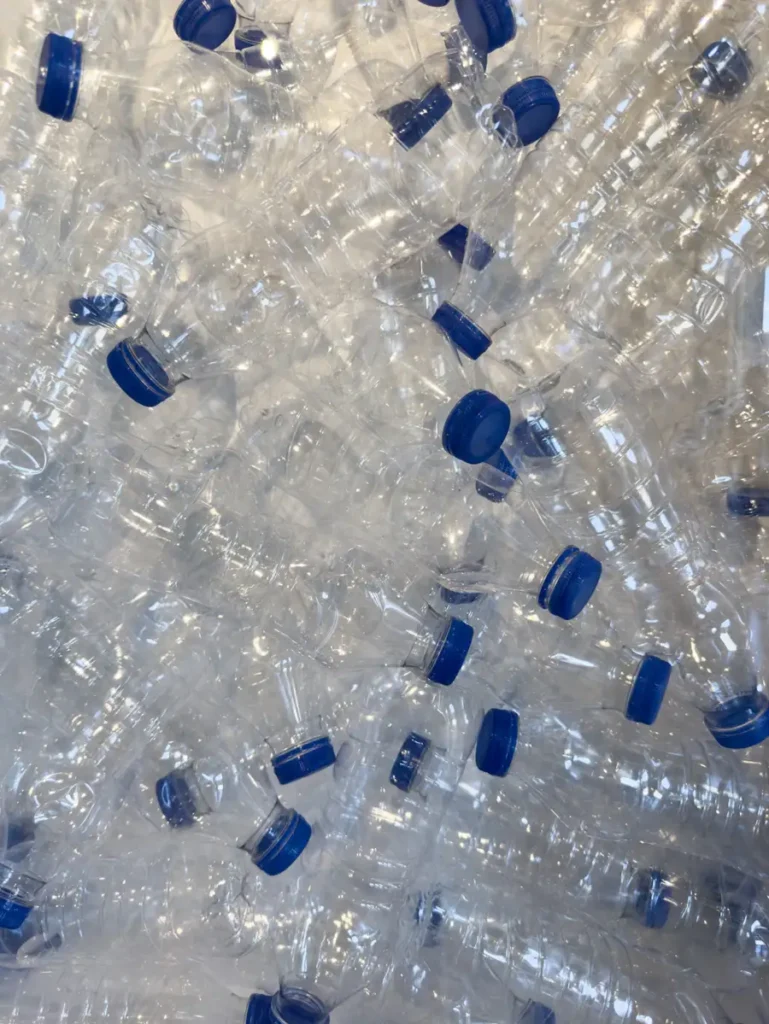
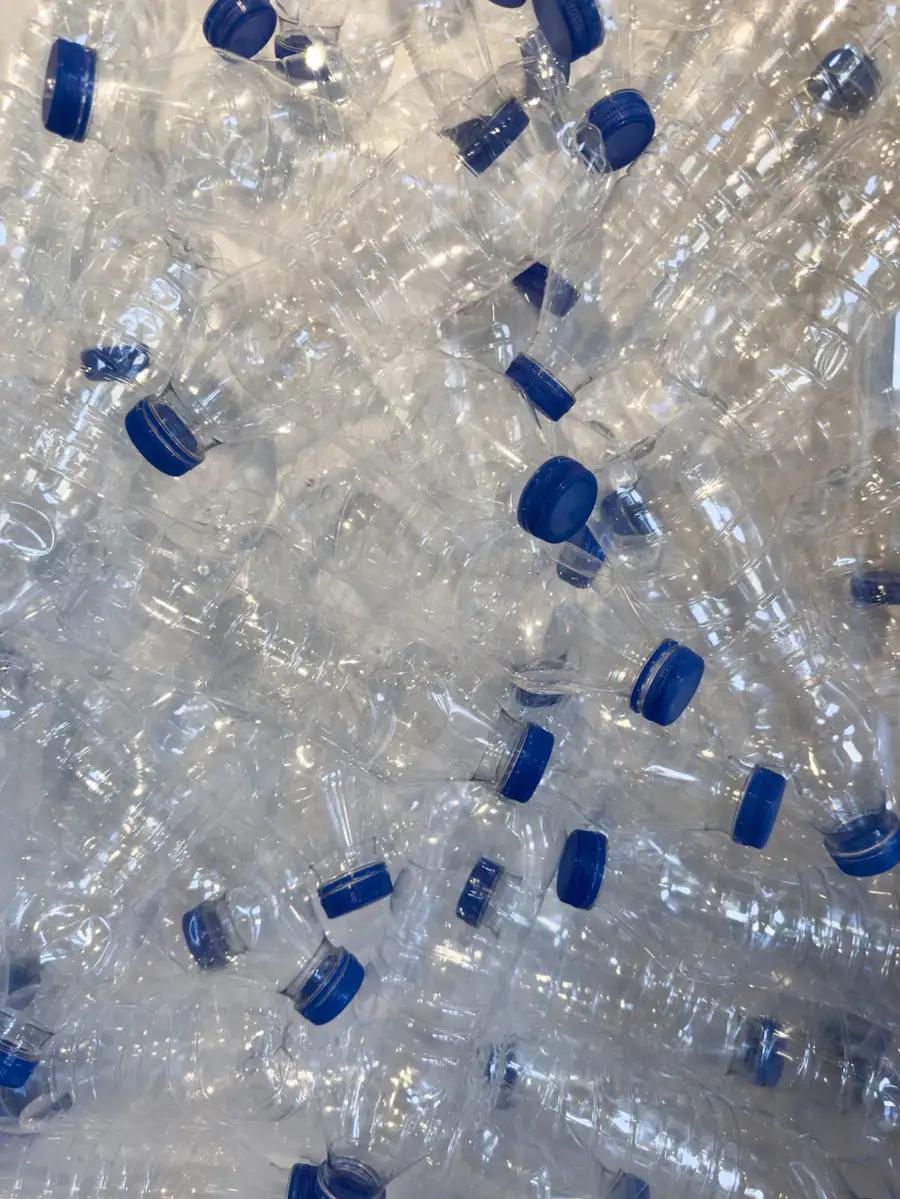
Recycled fabric in commercial garment production almost always means recycled polyester, known as rPET, made by breaking down post-consumer PET plastic (drink bottles) or post-industrial polyester waste, melting it, and re-extruding it into new fiber. Recycled cotton and recycled nylon exist in the market but represent a small fraction of recycled apparel fiber volume, since mechanically recycled cotton fiber is shorter and weaker than virgin cotton and typically caps out at 20–30% of a blend before yarn strength suffers.
The performance difference between rPET and virgin polyester is negligible. Tensile strength, moisture-wicking, and dye uptake test within a normal variance of virgin poly once the fiber is spun and knitted. What changes is not the fabric’s hand-feel or durability, it’s the documentation trail a brand needs to legally back up a “recycled” claim on a hangtag or product page.
That documentation gap is where most sourcing relationships break down. A factory can source rPET yarn that performs identically to virgin polyester while having zero verifiable chain-of-custody paperwork behind it, and the difference is invisible until a retailer’s compliance team, a customs inspector, or a regulator asks for proof.
GRS Certification: What the Chain-of-Custody Actually Requires
Transaction Certificates at Every Stage
The Global Recycled Standard, administered through accredited certification bodies, does not certify a factory. It certifies a transaction, a specific batch of material moving from one certified supplier to the next. A GRS-certified garment requires an unbroken chain of Transaction Certificates starting at the recycler that processes the raw plastic or fiber waste, through the yarn spinner, the fabric mill, the dye house, and the cut-and-sew factory, each stage issuing a TC referencing the previous one.
If any link in that chain is uncertified, the finished garment cannot legally carry the GRS logo or make a GRS-backed claim, regardless of what percentage of recycled material the fabric actually contains. A buyer verifying a supplier’s claim should request the TC for the specific PO, not a general GRS certificate scan, since a factory’s GRS certification covers its own processing step only and says nothing about whether the yarn it received was itself certified.
GRS vs. RCS: The Distinction Buyers Miss
The Recycled Claim Standard (RCS) and the Global Recycled Standard (GRS) both verify recycled content through chain-of-custody, and buyers frequently treat the two labels as interchangeable. They are not. RCS verifies recycled content only, with a 5% minimum recycled material threshold. GRS requires a higher 50% minimum recycled content and adds social criteria (labor practices at certified facilities), environmental management requirements, and restrictions on hazardous chemical use during processing.
A supplier offering “RCS certified” fabric when a retailer’s compliance requirement specifies GRS is not offering equivalent documentation, even though both certificates reference the same underlying recycled-content concept. Confirm which standard a retail partner or compliance program actually requires before accepting a supplier’s certificate as satisfying it.
Minimum Recycled Content and What “100% Recycled” Actually Means
A garment can carry a GRS claim once it hits the 20% recycled material threshold for individual products, but “GRS certified” and “100% recycled” are different statements. Most commercial rPET fabric for apparel blends recycled polyester with a smaller percentage of spandex for stretch, since 100% rPET yarn has no mechanical stretch on its own. A typical rPET-spandex compression fabric runs 85–92% recycled polyester with the balance in spandex, which still qualifies for a GRS claim on the polyester content but should be labeled as a blend, not marketed as “100% recycled” without qualification.
Verifying a Manufacturer’s Recycled Fabric Claims Before Bulk Production
Three checks separate a factory with genuine GRS-backed rPET sourcing from one repeating a claim it picked up from a yarn broker.
First, request the certificate number and verify it directly against the certification body’s database, not against a PDF the factory emails. Certificates expire annually and get reissued with new numbers; a factory forwarding last year’s certificate as current documentation is a common and easy-to-miss gap.
Second, ask for the Transaction Certificate matching the specific purchase order, tracing the recycled content back to the recycler. A factory that can produce a general company-level GRS certificate but not an order-specific TC is very likely buying rPET yarn from an uncertified source and relying on its own certification to imply coverage it doesn’t have.
Third, cross-check the recycled content percentage stated on the TC against what’s printed on the hangtag or product page. Under FTC Green Guides rules, a recycled content claim has to be qualified and accurate: “made from 30% recycled material” is a legitimate claim, an unqualified “recycled” claim on a product that’s actually a low-percentage blend is not.
rPET vs. Virgin Polyester vs. Recycled Cotton: How the Fibers Compare
| Attribute | rPET (Recycled Polyester) | Virgin Polyester | Recycled Cotton |
|---|---|---|---|
| Source material | Post-consumer PET bottles, post-industrial poly waste | Petroleum-based virgin polymer | Pre/post-consumer cotton textile waste |
| Performance vs. virgin | Nearly identical tensile strength and wicking | Baseline | Shorter fiber, weaker yarn strength |
| Typical blend ratio | 85–92% rPET with spandex for stretch fabrics | 87/13 poly-spandex standard | Capped near 20–30% of a cotton blend |
| Certification available | GRS, RCS (chain-of-custody required) | None (not a recycled claim) | GRS, RCS |
| Common categories | Activewear, compression leggings, training tops | All-purpose apparel | Limited; not a PRP Apparel production category |
| Cost vs. virgin equivalent | Comparable to slight premium depending on certification tier | Baseline | Higher processing cost, lower yield |
Sourcing GRS-Documented rPET at PRP Apparel
PRP Apparel produces rPET-based fabric within its activewear category, primarily compression leggings and training tops built on nylon/spandex and polyester/spandex constructions, where rPET substitutes for virgin polyester in the poly-spandex blend without changing the 150–280 GSM weight range or flatlock seaming standard covered in the guide to gym wear manufacturing with low MOQ. GRS documentation is available for rPET orders on request, tracing the certified chain from the recycler through the Dongguan cut-and-sew stage, and OEKO-TEX Standard 100 fabric certification applies alongside it, both covered in more depth in the guide to sustainable clothing certifications for apparel brands.
The standard 50-piece MOQ per style applies to rPET orders the same as virgin-polyester styles, with no separate minimum for the certified fabric. Sample lead time runs 12–15 days at $80–$250 per sample set, and bulk production runs the standard 35–45 days from an approved sample, matching the canonical figures in the guide on how to negotiate MOQ with clothing manufacturers. For a broader look at how fiber source interacts with weight, stretch, and cost across categories, the guide on fabric types and GSM covers the underlying material selection process, and the activewear fabrics guide breaks down how rPET compares to nylon/spandex and standard polyester/spandex builds by category. Brands sourcing a fitted rPET-spandex legging specifically should also see the custom legging manufacturer guide for construction details that apply regardless of fiber source.

Recycled Fabric Sourcing Summary
| Item | Detail |
|---|---|
| Primary recycled fiber offered | rPET (recycled polyester) |
| Category availability | Activewear: compression leggings, training tops, poly-spandex builds |
| Typical blend ratio | 85–92% rPET with spandex |
| GSM range | 150–280 GSM (matches standard activewear range) |
| Certification available | GRS documentation on request, OEKO-TEX Standard 100 |
| MOQ | 50 pieces per style, same as virgin-fabric styles |
| Sample lead time / cost | 12–15 days, $80–$250 per set |
| Bulk lead time | 35–45 days from approved sample |
External references on certification requirements and recycled content claims: Intertek’s overview of GRS and RCS certification and the FTC’s summary of the Green Guides for environmental marketing claims.
Frequently Asked Questions
What is a GRS certified clothing manufacturer?
A GRS certified clothing manufacturer holds a valid Global Recycled Standard certificate for its own processing stage, issued by an accredited certification body. That certification alone doesn’t guarantee a finished garment qualifies for a GRS claim; the recycled material has to carry an unbroken chain of Transaction Certificates from the original recycler through every processing stage, including the factory.
What’s the difference between GRS and RCS?
RCS (Recycled Claim Standard) verifies recycled content only, with a 5% minimum threshold. GRS (Global Recycled Standard) requires a higher 50% minimum recycled content and adds social, environmental, and chemical-restriction criteria on top of the chain-of-custody tracking both standards share.
Is rPET fabric as durable as virgin polyester?
Yes. Once PET plastic is broken down and re-extruded into fiber, the resulting yarn tests within normal variance of virgin polyester for tensile strength, moisture-wicking, and dye uptake. The difference between rPET and virgin polyester is the documentation trail behind it, not the fabric’s performance.
Can 100% recycled fabric be used in compression leggings?
Not practically. Compression and activewear fabric needs mechanical stretch that pure rPET yarn doesn’t provide on its own, so commercial rPET activewear fabric blends 85–92% recycled polyester with spandex. A “100% recycled” claim on a stretch fabric usually means 100% of the polyester component is recycled, not that the entire fabric excludes spandex.
What’s the MOQ for recycled fabric clothing?
50 pieces per style, the same minimum that applies across PRP Apparel’s other activewear styles. Choosing rPET over virgin polyester doesn’t raise the minimum order or change the sample process.
How do I verify a factory’s GRS certificate is real?
Request the certificate number and check it against the issuing certification body’s database directly, rather than accepting a forwarded PDF. For a specific order, ask for the Transaction Certificate tied to that purchase order number, which traces the recycled content back to the certified recycler, not just a general company-level certificate.
To discuss your recycled fabric clothing project, rPET blend ratios, GRS documentation needs, and pricing, reach out directly via the inquiry form.
Related Reading
- Sustainable Clothing Certifications for Apparel Brands
- Gym Wear Manufacturer with Low MOQ
- Activewear Fabrics for Clothing Brands
Related Manufacturing Services
Ready to Start Your Clothing Project?
- MOQ from 50 pieces per style
- OEM and private label production
- Sample development support
- Fabric sourcing
- Quality inspection before shipment
- Worldwide shipping support