
Crewneck Sweatshirt Manufacturer: What Buyers Get Wrong About Construction
A streetwear brand in Melbourne sent PRP Apparel a tech pack for a “crewneck sweatshirt” that was really a hoodie pattern with the hood panel deleted. The armhole, shoulder seam, and body block were still cut for a garment that expected a hood’s extra weight and drape. The result: a crewneck that hung wrong at the shoulder and had excess fabric pooling at the neckline. Sourcing a crewneck sweatshirt manufacturer is not the same exercise as sourcing a hoodie manufacturer, even though the two categories share a factory floor. The collar, shoulder construction, and fabric weight all shift when the hood comes off the pattern.
Crewneck sweatshirts are one of the steadiest reorder categories in streetwear and basics lines, precisely because the construction is simpler than a hoodie’s. Fewer panels mean fewer failure points, but only if the factory actually regrades the pattern instead of reusing a hoodie block. Buyers evaluating a manufacturer for this category need to know what changes in construction, fabric, and pricing once the hood is removed from the equation.
Crewneck Sweatshirts vs. Hoodies: What Actually Changes
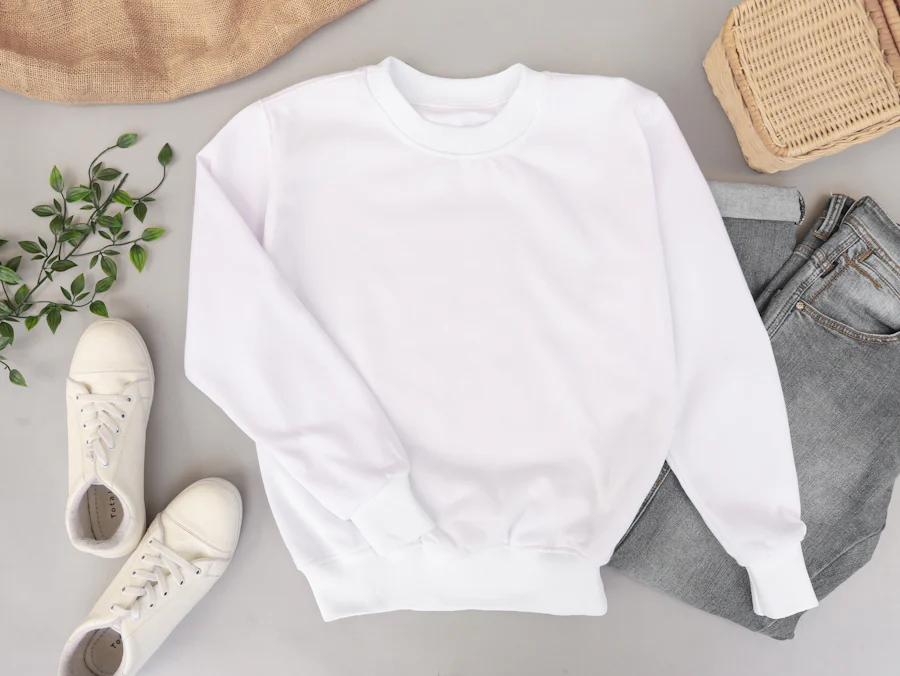
A crewneck sweatshirt and a pullover hoodie are cut from the same general silhouette family, but the construction differs in three places: the collar, the shoulder line, and the fabric weight tolerance. A hoodie’s hood panel adds two curved fabric pieces, a hood lining option, and often a drawstring with grommets or eyelets. Removing all of that changes how the shoulder seam sits and how much stretch recovery the neckline needs, since a ribbed crew collar carries all the structural load that a hood’s extra fabric would otherwise share.
The category also skips the kangaroo pocket that’s standard on most hoodie blocks. Some crewneck styles keep a patch pocket for streetwear positioning, but the majority run a clean front panel — fewer seams, less sewing time, and a lower defect rate on the front of the garment. For brands weighing the two categories, the hoodie manufacturers in China guide covers the hood-specific construction points that don’t apply here.
Core Construction Points for a Crewneck Sweatshirt Manufacturer
Rib Collar Construction: Self-Fabric vs. Contrast Rib
The crew collar is a 1×1 or 2×2 rib knit panel attached at the neckline, and it is the single component most likely to fail on a poorly made crewneck. A factory cutting the rib panel undersized will produce a collar that gaps and loses shape within a handful of washes. Ask for the rib-to-body ratio the factory uses — a well-constructed crew collar is cut roughly 10–15% smaller than the neckline opening so the rib knit’s stretch recovery holds the collar snug against the body rather than sagging.
Self-fabric ribbing (same yarn and color as the body) is standard on basics-positioned crewnecks. Contrast ribbing — a different color or a heavier rib gauge at the collar, cuffs, and hem — is common on streetwear-positioned styles and adds a modest labor cost for color-matched trim sourcing and an extra QC checkpoint to confirm the contrast panel’s colorfastness matches the body fabric.
Shoulder Seam: Set-In Sleeve vs. Drop-Shoulder
Standard-fit crewnecks typically use set-in sleeve construction, where the sleeve is stitched into a fitted armhole at the natural shoulder point. Oversized and streetwear-fit crewnecks more often use a drop-shoulder or extended-shoulder construction, where the seam sits below the natural shoulder line, similar to the drop-shoulder approach used on longline and ringer tee builds. Drop-shoulder construction is more forgiving on sizing but uses more fabric per unit and needs the body width graded correctly across sizes, or the drop point shifts unevenly on larger sizes.
Fleece Weight and Fabric Type
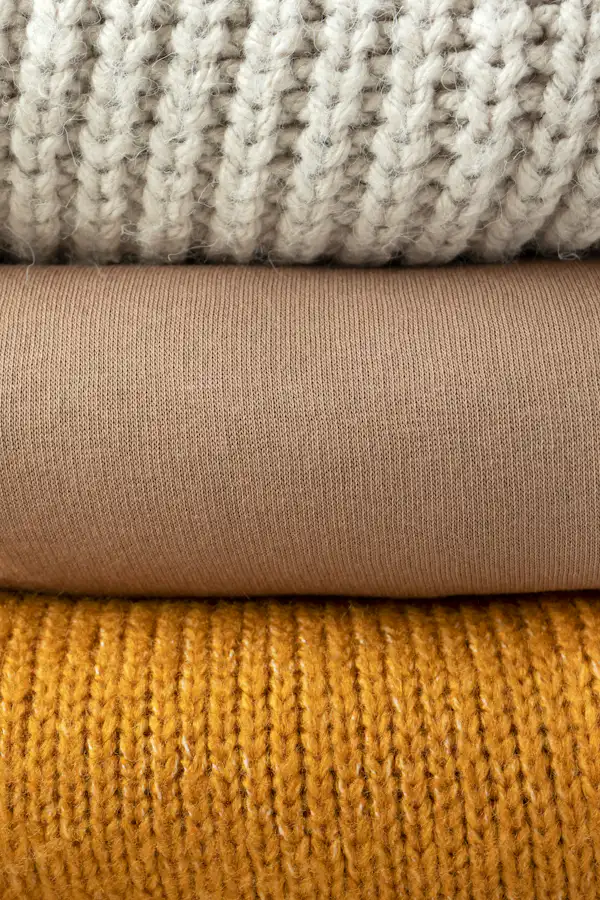
PRP Apparel’s crewneck sweatshirts run 280–400 GSM, the same range as the hoodie line, in cotton/poly fleece or French terry. Lighter weights in that range (280–320 GSM) suit warm-climate markets and layering pieces; heavier weights (350–400 GSM) suit standalone cold-weather positioning. French terry gives a lighter hand-feel and a looped interior face, while brushed fleece gives a heavier, warmer interior at a comparable GSM. For a full breakdown of how GSM affects hand-feel, drape, and durability across fabric types, see the fabric types and GSM guide.
Panel and Pocket Options
A clean front panel is the default and the fastest to produce. A center-chest patch pocket or a lower kangaroo-style pouch pocket (without the hood’s drawstring channel) are both available as upgrades, each adding a stitching step and a slightly longer sample-approval cycle since pocket placement needs to be confirmed against the body grading before bulk cutting starts.
Verification: What to Check Before Placing a Bulk Order
The most common failure mode in this category is a factory reusing an existing hoodie pattern with the hood deleted, rather than grading a dedicated crewneck block. Ask directly whether the crewneck pattern is graded independently or derived from an existing hoodie pattern — a factory that hesitates on this question is likely doing the latter.
Request a wash-test sample specifically for the collar and cuffs, not just the body fabric. Rib knit trim can lose recovery faster than the body fabric under repeated washing, and a factory testing only the main fabric panel will miss this. Ask for the rib knit’s stretch and recovery data, ideally referenced against a recognized test method such as ASTM D2594/D2594M, the standard test method for stretch properties of knitted fabrics — directly relevant to collar and cuff longevity on a crewneck.
Confirm the shoulder seam type and get it in writing on the tech pack. A factory quoting set-in sleeve construction but delivering drop-shoulder (or vice versa) changes the finished garment’s fit enough to trigger returns, and this is not always caught in a quick visual sample check if the sample happens to fit acceptably despite the wrong construction method.
Crewneck vs. Hoodie vs. Zip-Up: Construction Comparison
| Feature | Crewneck Sweatshirt | Pullover Hoodie | Zip-Up Hoodie |
|---|---|---|---|
| Collar/neckline | Rib knit crew collar | Hood with drawstring | Hood with drawstring |
| Panel count | Lowest (no hood pieces) | Moderate (hood lining optional) | Highest (zip placket + hood) |
| Optional patch or none | Kangaroo pouch standard | Side seam or kangaroo pouch | |
| Typical GSM | 280–400 GSM | 280–400 GSM | 280–400 GSM |
| Price range (50 pcs) | $15–$25/unit | $18–$30/unit | $20–$32/unit |
| Sewing time factor | Lowest | Moderate | Highest |
Crewneck pricing sits below the standard hoodie’s published $18–$30/unit range because the construction removes the hood panels, hood lining, and drawstring hardware that account for a meaningful share of a hoodie’s sewing time — the fleece cost per GSM is otherwise identical. Zip-up hoodies price above pullover hoodies because of the added zipper hardware and placket construction. These figures are unit costs at the 50-piece MOQ; per-unit cost drops 15–30% at 200-plus pieces, consistent with the pricing structure covered in how to negotiate MOQ with clothing manufacturers.
PRP Apparel’s Crewneck Sweatshirt Production
PRP Apparel produces crewneck sweatshirts at a genuine 50-piece MOQ per style, with the same customization options available at that minimum as at higher volumes — custom woven neck labels, embroidery, and screen print all included without a separate minimum on trims. Sample lead time runs 12–15 days from order confirmation, with 1–3 sample rounds standard for a new crewneck pattern, and bulk production runs 35–45 days from an approved sample. Embroidered logos on the chest or sleeve and screen-printed graphics are both available in-house; the trade-offs between the two decoration methods for a fleece-weight garment are covered in the embroidery vs. screen printing guide. Fabric is OEKO-TEX Standard 100 certified across the Hoodies & Sweatshirts line, with colorfastness testing available on request.
Summary Table
| Spec | Detail |
|---|---|
| MOQ | 50 pieces per style |
| Fabric weight | 280–400 GSM (cotton/poly fleece, French terry) |
| Collar construction | 1×1 or 2×2 rib knit, self-fabric or contrast |
| Sample lead time | 12–15 days |
| Sample cost | $80–$250 per sample set |
| Bulk lead time | 35–45 days from approved sample |
| Price range (50 pcs) | $15–$25/unit |
| Decoration | Embroidery, screen print, DTG |
| Certification | OEKO-TEX Standard 100 |
For fabric certification and chemical-safety standards referenced throughout this guide, the OEKO-TEX Standard 100 framework sets the testing baseline PRP Apparel’s fleece fabrics are certified against.
FAQ
What’s the minimum order quantity for a custom crewneck sweatshirt?
PRP Apparel’s MOQ is 50 pieces per style, with the same customization options — labels, embroidery, screen print — available at that minimum as at higher volumes. This is a per-style minimum, not a per-colorway or per-order total, so confirm the structure directly with any manufacturer before sampling.
How is a crewneck sweatshirt different from a hoodie to manufacture?
A crewneck removes the hood panels, hood lining, and drawstring hardware, replacing the hood with a rib knit collar. This lowers panel count and sewing time, which is why crewneck pricing runs below hoodie pricing at the same fabric weight, but it also means the pattern needs to be graded specifically for a crewneck rather than adapted from an existing hoodie block.
What GSM is standard for a crewneck sweatshirt?
280–400 GSM is the standard range, matching the weight range used for pullover and zip-up hoodies. Lighter weights (280–320 GSM) suit warm-climate or layering positioning; heavier weights (350–400 GSM) suit standalone cold-weather use.
Can I get contrast rib collar and cuffs on a custom crewneck?
Yes. Contrast ribbing at the collar, cuffs, and hem is a common streetwear styling option and adds a modest cost for color-matched trim sourcing plus an added colorfastness check to confirm the contrast panel holds its color relative to the body fabric.
How long does bulk production take for crewneck sweatshirts?
35–45 days from an approved pre-production sample, matching the standard lead time across PRP Apparel’s Hoodies & Sweatshirts line. Sample development runs 12–15 days per round before bulk production starts.
Do crewneck sweatshirts come with a pocket?
Not by default — the standard crewneck block has a clean front panel. A center-chest patch pocket or a kangaroo-style pouch pocket (without the hood’s drawstring channel) can be added as a construction upgrade, confirmed against body grading during sampling.
To discuss your crewneck sweatshirt project — fabric weight, collar style, decoration method, and pricing at your target quantity — reach out directly via the inquiry form.
Related Reading
- Hoodie Manufacturers in China
- Best Oversized Hoodie Manufacturer Guide for Brands
- Embroidery vs. Screen Printing
Related Manufacturing Services
Products We Manufacture
Ready to Start Your Clothing Project?
- MOQ from 50 pieces per style
- OEM and private label production
- Sample development support
- Fabric sourcing
- Quality inspection before shipment
- Worldwide shipping support