
Choosing a Yoga Pants Manufacturer: Fabric, Waistband, and Construction Standards
An Austin-based yoga apparel brand switched its studio-line pants to the same 78/22 nylon-spandex fabric and bonded high-rise waistband running its bestselling compression leggings, expecting a quick SKU extension. Within three weeks of the wholesale drop, six yoga studio accounts returned the pants after teacher fittings, citing a waistband that dug in during seated forward folds and a fabric too dense to move through a deep lunge without restriction. The factory had built a legging, not a yoga pant, even though the two products share a similar silhouette on a spec sheet. Sourcing a yoga pants manufacturer that understands the difference matters before the first bulk order ships, not after studio accounts start sending pieces back.
Yoga pants and compression leggings come off the same general pattern family, which is exactly why factories conflate them. Both use spandex-blend knits, both run through a flatlock sewing line, and both share a similar four-panel-plus-gusset construction. The difference is in what each garment is built to do. A compression legging is engineered to stay opaque and hold shape under a squat-test stretch. A yoga pant is engineered to move through a full range of motion, forward folds, deep lunges, seated twists, and cross-legged sitting, without the waistband or fabric fighting the pose.
A factory that treats “yoga pants” as a marketing label for its existing legging line will usually just relabel the same fabric and waistband spec. A factory that actually understands the category will spec a lighter, more drape-forward fabric and a wider waistband built for bending rather than compressing. Buyers briefing a manufacturer need to know which construction choices actually change between the two categories, and which claims on a spec sheet are worth verifying before a sample gets approved.
Four-Way Stretch Fabric Built for Range of Motion, Not Compression
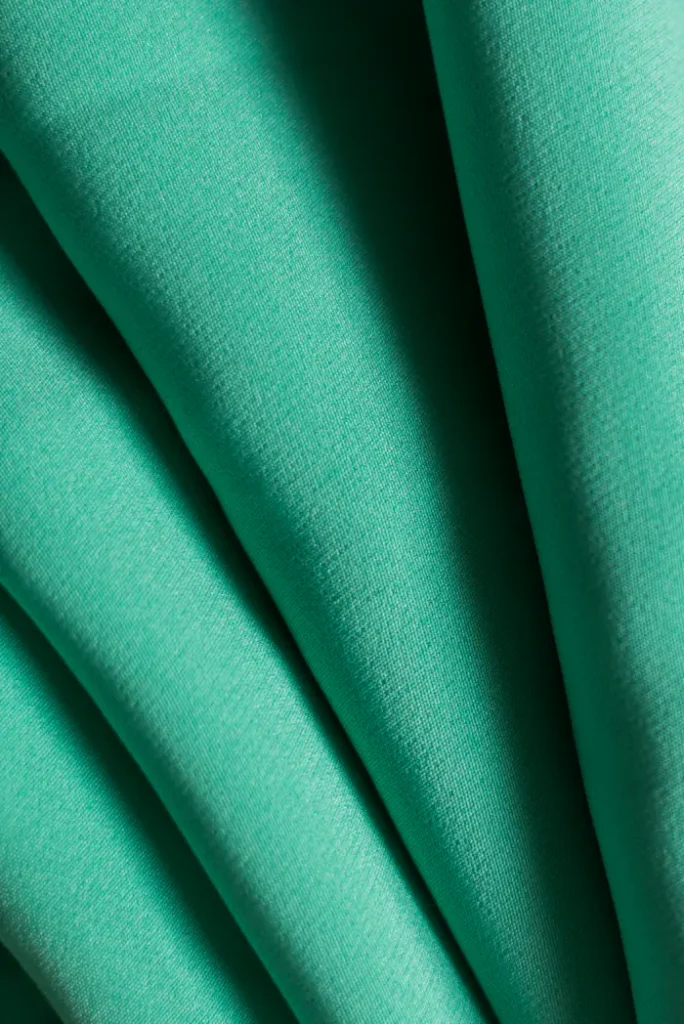
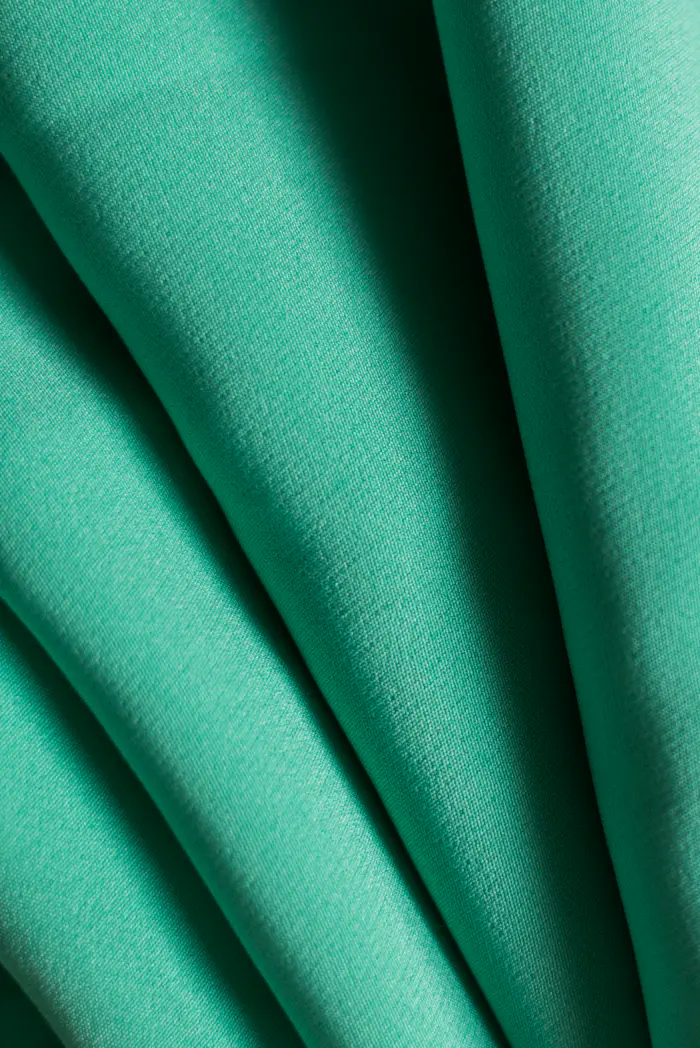
Yoga pants and compression leggings both use four-way stretch fabric, meaning the knit recovers in both the vertical and horizontal direction. The difference is in weight and finish, not stretch direction. PRP Apparel’s custom legging manufacturer guide covers why leggings need 220–260 GSM to stay opaque under a squat-test stretch. Yoga pants run lighter, typically 180–220 GSM, because the category prioritizes drape and unrestricted bend over compression opacity under maximum stretch.
Polyester-spandex at an 87/13 or 85/15 ratio is the standard yoga pants fabric, matching the weight range already covered in the gym wear manufacturer with low MOQ guide’s bottoms category. A brushed or “peach-skin” finish on the interior face is common on yoga-specific fabric and isn’t just a marketing texture — the brushing softens the hand-feel against skin during floor poses and reduces the fabric’s tendency to cling when damp with sweat. Nylon-spandex at 78/22 is available as a premium option for brands prioritizing longer-term stretch recovery over unit cost, at roughly the same 15–25% price premium over polyester blends noted in the activewear fabrics for clothing brands guide.
Brands with a sustainability position can request rPET-based polyester-spandex at the same GSM range. The chain-of-custody documentation required to back an rPET claim, GRS Transaction Certificates at every processing stage, is covered in the recycled fabric clothing manufacturer guide, since a factory quoting “recycled polyester” without mill-level paperwork is making a claim it can’t back up.
Waistband Construction: Wide Fold-Over vs. High-Rise Banded vs. Bonded Seamless
Waistband choice is where yoga pants diverge most from compression leggings. A bonded seamless high-rise waistband, the standard for compression leggings because it holds recovery through 30-plus wash cycles, sits closer to the body and holds firmer tension. That tension is an asset during a squat but becomes a liability during a seated forward fold, where a tight band digs into the stomach exactly where the pose compresses the torso.
A wide fold-over waistband, typically 3 to 4 inches of folded elastic-and-fabric construction, is the more common choice for yoga-specific pants. It distributes pressure across a wider band instead of concentrating it at a narrow edge, and it can be folded down to change the rise, a styling feature compression leggings don’t offer. Cost runs at the baseline end of the waistband category, below the 10–20% premium a bonded seamless build commands. A high-rise banded waistband with an interior power-mesh lining splits the difference: narrower than a fold-over, but built with a softer recovery curve than a bonded compression band, and it’s the common choice for yoga pants marketed for both studio and athleisure wear.
A drawcord waistband, standard on jogger-style loose bottoms, is rarely used on yoga pants because a drawcord can bunch or press into the abdomen during deep folds the same way a bonded band does, just with added hardware.
Rise Height and Coverage
Standard yoga pants run an 8- to 10-inch front rise, taller than the 6- to 8-inch rise typical on a compression legging, to keep the waistband from rolling down during inversions or deep forward bends. A factory quoting a legging’s rise height on a yoga pants order is a sign the pattern hasn’t actually been regraded for the category.
Gusset and Inseam Construction for Full Range of Motion
A diamond-shaped gusset panel at the crotch seam, the same construction detailed in the legging guide, is standard on yoga pants but sized differently. Yoga-specific gussets typically extend further down the inseam than a compression legging’s gusset, since poses like a deep lunge or a wide-legged forward fold put more sustained strain on that seam than a squat’s shorter range of motion.
The inseam and gusset seams should be flatlock-stitched, not overlocked. Flatlock stitching lies flat against the skin, which matters on a garment that spends extended time in direct floor contact during seated and kneeling poses; an overlocked seam’s raised ridge causes visible pressure marks and chafing over a longer session than a typical gym set.
Cut Options: Flare, Bootcut, and Wide-Leg Grading
Compression leggings are almost universally skin-tight through the ankle. Yoga pants carry more silhouette variation: skin-tight through the knee with a flare or bootcut below it, or a wide-leg cut that stays loose from hip to hem. Each of these needs its own grading rules rather than a single blanket adjustment scaled from a skin-tight block. A flare or wide-leg pattern needs separate grade points at the knee and hem in addition to the waist, hip, and thigh points a skin-tight legging uses, or the flare width will shift disproportionately between the smallest and largest sizes in a run.
Verifying a Yoga Pants Manufacturer’s Claims Before Bulk Production
A spec sheet claiming “yoga pants” fabric and construction is a starting point, not a guarantee. Four checks catch most of the gap between what’s quoted and what a studio customer actually experiences in a class.
First, put the physical sample through a forward fold, a deep lunge, and a seated cross-legged position, not just a squat. A factory that only squat-tests its activewear samples is testing for legging failure modes, not yoga pants failure modes. Second, measure the waistband width and front rise directly on the sample rather than trusting the tech pack, since a narrow band mislabeled as a “wide fold-over” is a common shortcut. Third, run a hand-feel check for the brushed or peach-skin interior finish; a factory substituting plain circular-knit fabric without the brushing step will produce a pant that feels and clings differently than the approved swatch. Fourth, confirm the gusset extension length matches the tech pack, since a shortened gusset is one of the easiest places for a factory to cut sewing time without it showing up in a static photo of the sample.
Yoga Pants vs. Compression Legging vs. Jogger-Style Bottom
| Feature | Yoga Pants | Compression Legging | Jogger-Style Athleisure Bottom |
|---|---|---|---|
| Fabric weight | 180–220 GSM | 220–260 GSM | 200–280 GSM |
| Primary fabric | Polyester-spandex 87/13, brushed finish | Nylon-spandex 80/20 or 78/22 | Cotton/poly fleece or poly-spandex |
| Waistband | Wide fold-over or high-rise banded | Bonded seamless high-rise | Drawcord with fabric channel |
| Front rise | 8–10 inches | 6–8 inches | Mid-rise, elastic or drawcord |
| Fit through leg | Skin-tight to flare/wide-leg | Skin-tight throughout | Relaxed to tapered |
| Price range (50 pcs) | $9–$16/unit | $14–$22/unit | $10–$18/unit |
Yoga pants price below compression leggings because the standard fold-over or banded waistband skips the bonding step a compression build requires, even though the fabric yardage per unit runs slightly higher than a legging’s due to the taller rise and, on flare or wide-leg cuts, extra fabric below the knee.
PRP Apparel’s Yoga Pants Production
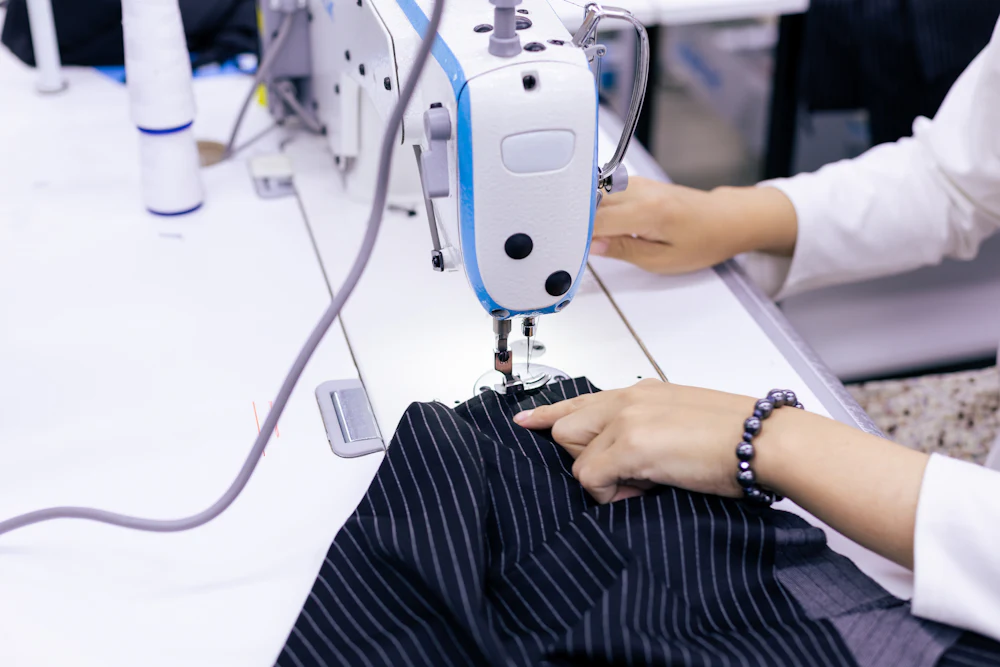
PRP Apparel produces yoga pants and athleisure bottoms starting at 50 pieces per style, with the same waistband and fabric customization available at that minimum as on a 300-piece order. Sample lead time runs 12–15 days from order confirmation, with 1–3 sample rounds standard, and bulk production runs 35–45 days from an approved sample, consistent with the timelines covered in how to negotiate MOQ with clothing manufacturers. Flatlock seaming and gusset construction are handled in-house, and fabric is OEKO-TEX Standard 100 certified across the Activewear & Gym Wear line, with ISO colorfastness testing available on request for brands selling into markets with import compliance requirements.
Summary Table
| Spec | Detail |
|---|---|
| MOQ | 50 pieces per style |
| Fabric weight | 180–220 GSM (polyester-spandex, brushed finish) |
| Waistband | Wide fold-over or high-rise banded, 8–10 inch rise |
| Sample lead time | 12–15 days |
| Sample cost | $80–$250 per sample set |
| Bulk lead time | 35–45 days from approved sample |
| Price range (50 pcs) | $9–$16/unit |
| Certification | OEKO-TEX Standard 100 |
Fabric used across PRP Apparel’s activewear line is certified against the OEKO-TEX Standard 100 framework, and colorfastness to perspiration can be tested against ISO 105-E04 on request, a relevant test for a garment worn in direct, extended skin contact during physical activity.
FAQ
What’s the difference between yoga pants and leggings from a manufacturing perspective?
Leggings are built for compression and squat-test opacity, using a heavier 220–260 GSM fabric and a bonded seamless waistband that holds firm tension. Yoga pants use a lighter 180–220 GSM fabric with more drape and a wider fold-over or high-rise banded waistband built for bending through forward folds and lunges rather than resisting stretch.
What’s the minimum order quantity for custom yoga pants?
PRP Apparel’s MOQ is 50 pieces per style, with full waistband and fabric customization available at that minimum. Confirm whether a quoted MOQ is per style, per colorway, or per total order before sampling, since the structure varies by factory.
What fabric weight is best for yoga pants?
180–220 GSM in a polyester-spandex blend is standard, lighter than the 220–260 GSM range used for compression leggings. A brushed or peach-skin interior finish is common and improves hand-feel against skin during floor poses.
Can yoga pants be made with recycled polyester?
Yes. rPET-based polyester-spandex is available at the same GSM range as virgin polyester. Request GRS Transaction Certificates from the fabric mill, not just a factory claim, to verify the recycled content.
How long does it take to produce a yoga pants order?
Sample development runs 12–15 days per round, with 1–3 rounds standard. Bulk production runs 35–45 days from an approved pre-production sample.
What waistband style works best for yoga pants?
A wide fold-over waistband (3–4 inches) or a high-rise banded waistband with interior power-mesh lining are the two most common choices. Both distribute pressure across a wider area than a compression legging’s bonded seamless band, which matters during seated and forward-folding poses.
To discuss your yoga pants project — fabric weight, waistband style, cut options, and pricing at your target quantity — reach out directly via the inquiry form.
Related Reading
- Custom Legging Manufacturer
- Gym Wear Manufacturer with Low MOQ
- Activewear Fabrics for Clothing Brands
Related Manufacturing Services
Ready to Start Your Clothing Project?
- MOQ from 50 pieces per style
- OEM and private label production
- Sample development support
- Fabric sourcing
- Quality inspection before shipment
- Worldwide shipping support