
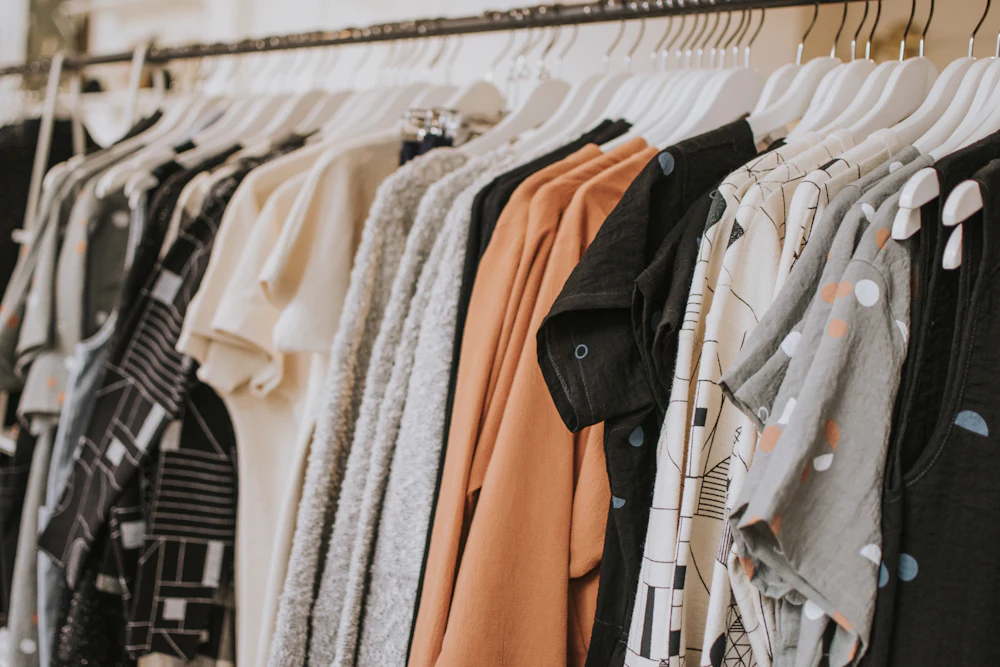
A streetwear brand in Amsterdam spent four months emailing Chinese factories about a 150-unit capsule drop: heavyweight French terry hoodies at 400 GSM, custom garment dye, dropped shoulder construction. Every factory replied with the same answer — MOQ 500 pieces, standard fleece available, wash process outsourced to a third party. When they finally found a streetwear manufacturer in China with in-house wash and a 50-piece minimum, they placed a sample order. The proto came back in 12 days. Seams were flat-locked correctly. The overdye was even. They ran three drops that year at an average FOB unit cost of $22.
The gap between the wrong factory and the right one was not price — it was production infrastructure. Most Chinese OEM factories are built for volume commodity basics. A genuine streetwear manufacturer in China runs a different kind of operation: heavier fabric input, in-house finishing, smaller minimum runs, and QC benchmarks tuned to the tolerances that matter in urban apparel.
This guide breaks down how that infrastructure works, what to evaluate before you commit to a factory, and what realistic production numbers look like for a drop-based streetwear model.
Why Streetwear Manufacturing Requires Specialized Infrastructure
Standard apparel factories optimise for throughput on predictable styles: lightweight jersey, uniform sizing, single-application graphics. Streetwear production places demands on factory equipment and skills that sit outside that optimised workflow.
Fabric Weight and Cutting Equipment
Heavyweight fleece — the fabric behind most quality hoodies and crewnecks — typically runs 320–480 GSM. Cutting thick multi-layer stacks of that material requires industrial knives and cutters with greater torque than those used for 140–180 GSM jersey. A factory without the right cutting equipment will either limit your GSM range or produce cut panels with drag errors that compound into fit problems during sewing.
For streetwear-specific products, target these fabric weights:
- Oversized T-Shirt Manufacturer: A Sourcing Guide for Streetwear and Basics Brands
- Hoodies and crewnecks: 320–450 GSM French terry or loopback fleece
- Oversized t-shirts: 220–280 GSM heavyweight jersey
- Coaches jackets and shell outerwear: 70D–100D ripstop nylon with DWR coating
- Cargo and workwear bottoms: 360–420 GSM cotton canvas or twill
Wash and Dye Facilities
Garment washing is not a commodity process. Stone wash, acid wash, enzyme wash, pigment dye, and overdye each require different chemistry, machine settings, and drying protocols. Factories that outsource washing to a third-party facility lose control of timing, color consistency, and the hand-feel outcome. For a streetwear brand where the wash character defines the product aesthetic, this is not an acceptable variable.
A factory with in-house wash drums and dye vats can hold color to a Lab Delta-E tolerance of 1.5–2.0 across a production run. Outsourced wash typically runs Delta-E 3.0–5.0, which produces visible shade variation within a single batch.
Graphic Application Capability
Screen printing on dark streetwear fabrics requires discharge or plastisol inks and a flash cure between passes. Embroidery for oversized chest graphics needs large hoop capacity (up to 30 × 40 cm) and high-density fill programs. Heat transfer vinyl (HTV) and direct-to-film (DTF) transfers are used for small-run graphics. Patchwork, appliqué, and fabric manipulation (distressing, raw hem, fraying) require skilled hand operators, not just machine capacity.
Factories built for mainstream fast fashion rarely maintain all of these capabilities in-house. Identifying which finishing operations a factory runs internally versus subcontracts is a key due diligence step before signing a production agreement.
MOQ and Unit Pricing: What to Expect From a China Streetwear OEM
Minimum order quantities in Chinese apparel manufacturing follow a tiered structure linked to factory size, equipment investment, and market positioning.
| Factory Tier | Typical MOQ (per style/colorway) | Best Suited For |
|---|---|---|
| Tier 1 export factories | 500–2,000 pieces | Replenishment basics, large seasonal orders |
| Mid-tier OEM specialists | 150–500 pieces | Core collection styles, confirmed reorders |
| Small-batch dedicated manufacturers | 50–150 pieces | Capsule drops, test colorways, new styles |
For brands running drops of 100–300 units, the small-batch and mid-tier OEM tier is the operational target. A 50-piece minimum allows a brand to test a new silhouette, validate demand, and reorder at scale — without committing $30,000–$50,000 to a first production run.
FOB pricing at a reputable Dongguan streetwear manufacturer for a 50-piece minimum runs approximately:
- 320 GSM fleece pullover hoodie (screen print, no wash): $16–$22 FOB Guangzhou
- 400 GSM hoodie with garment dye and overdye: $24–$34 FOB
- 260 GSM oversized heavyweight tee (DTF graphic): $8–$14 FOB
- Ripstop coach jacket with embroidery: $28–$42 FOB
These ranges assume a validated tech pack, approved materials, and a repeat customer discount after the second order. First-time sampling adds a sample fee of $80–$200 per style, credited against the production order.
Production Timeline for a Streetwear Drop
Understanding lead time per stage prevents the most common brand mistake: back-calculating from a launch date and discovering the factory needs four weeks more than the schedule allows.
| Stage | Typical Duration | Notes |
|---|---|---|
| Tech pack review and fabric sourcing | 3–5 days | Factory confirms BOM and material availability |
| Proto sample production | 10–15 days | First physical garment; fit and construction review |
| Proto revision → fit sample | 7–10 days | Incorporates fit comments; 1–2 rounds typical |
| Pre-production (PP) sample | 5–7 days | Produced in bulk fabric and trim; final approval gate |
| Bulk production (50–300 units) | 18–28 days | Longer for complex wash or multi-graphic styles |
| QC inspection + packaging | 3–5 days | AQL Level II sampling standard |
| Sea freight (Guangzhou → LA/LHR) | 20–28 days | Door-to-door including customs clearance |
Total timeline from tech pack to warehouse: 66–98 days. Brands that want a specific launch date need to work backward from delivery, not forward from when they feel ready to submit a tech pack. Air freight reduces the shipping stage to 5–7 days at roughly 6× the sea freight cost.
Working with a complete, production-ready tech pack before the first factory conversation compresses the proto stage by 3–5 days and reduces revision rounds — the single highest-leverage investment a brand makes before production.
Verifying a Streetwear Manufacturer Before You Commit
Online supplier directories list thousands of Chinese garment factories. A small fraction of them are genuinely capable of streetwear-specific production. These verification steps separate the ones that can from the ones that say they can.
Request a Factory Audit or Third-Party Inspection Report
An independent factory audit covers production capacity, worker conditions, quality system documentation, and equipment inventory. Factories that resist audits are almost always hiding capacity constraints or subcontracting work. BSCI, SEDEX, and ISO 9001 audit reports are standard documentation from verified manufacturers — request them before placing a deposit.
Ask Specifically About In-House vs. Subcontracted Processes
Ask the factory to state explicitly which processes happen inside their facility and which go to a subcontractor. Legitimate manufacturers answer this question directly. “We do everything in-house” with no specifics is a red flag. The answer you want is: “Cutting, sewing, and embroidery are internal; washing and screen printing are in-house on our second floor; DTF transfers are subcontracted to [named supplier].”
Review Fabric Composition Certificates
Request the fabric test report (composition, GSM, colorfastness, tensile strength) from the mill. This verifies that the 400 GSM fleece in your spec is actually 400 GSM — not a lighter fabric with a different label. OEKO-TEX Standard 100 certification on the fabric confirms that it has been tested against 100+ harmful substances, which is increasingly a requirement for market entry in the EU and UK.
Evaluate the Sampling Process Before the Production Order
Never place a bulk order without a signed-off pre-production sample. A factory’s commitment to the PP sample process — sending it for approval, waiting for written sign-off, not starting bulk before approval — reveals whether their quality system is real or decorative. If a factory pushes back on PP samples to save time, the quality risk in bulk production is significantly higher.
Where in China to Source Streetwear Manufacturing
Chinese apparel manufacturing is geographically concentrated, and different regions have built different specialisations over decades of export production.
| Region | Specialisation | MOQ Range | Best For |
|---|---|---|---|
| Dongguan, Guangdong | Full OEM/ODM, small-batch, in-house wash | 50–300 pcs | Streetwear drops, capsule collections |
| Zhongshan, Guangdong | Knitwear, jersey-heavy styles | 200–500 pcs | Basics, athleisure, lightweight collections |
| Hangzhou / Keqiao, Zhejiang | Woven and printed fabrics, fast-fashion OEM | 300–800 pcs | Seasonal fashion, printed wovens |
| Jinjiang, Fujian | Sportswear, technical fabrics | 500–2,000 pcs | Performance gear, activewear |
Dongguan’s advantage for streetwear lies in the density of its supplier ecosystem: fabric mills, trim suppliers, wash houses, screen printers, and embroidery workshops are within a 30-kilometre radius of most factories. This compression reduces material lead time and allows small-batch production to be economically viable. Understanding the OEM manufacturing relationship and what China’s industrial clusters offer is the foundation of an efficient sourcing model.
Working With a Dongguan Streetwear Manufacturer
PRP Apparel operates from Dongguan with a minimum order of 50 pieces per style. The factory runs OEM and ODM production for streetwear, casual, and performance categories — with in-house wash and dye facilities covering stone wash, enzyme wash, garment dye, and overdye finishes. Screen printing, embroidery, and DTF graphic application are handled on-site.
For brands sourcing their first or second production run, the 50-piece minimum allows market validation without a capital-intensive commitment. For established brands with proven styles, the mid-tier capacity supports 300–2,000 unit production runs with consistent quality across colorways.
Factory certifications include ISO 9001 quality management and OEKO-TEX Standard 100 on core fabric inputs — relevant for brands selling into regulated markets in Europe and North America.
Quick Reference: Streetwear Manufacturing in China
| Factor | Typical Range / Benchmark |
|---|---|
| Minimum order quantity (small-batch OEM) | 50–150 pieces per style |
| FOB unit price (280 GSM oversized tee) | $8–$14 |
| FOB unit price (400 GSM hoodie, garment dye) | $24–$34 |
| Proto sample lead time | 10–15 days |
| Bulk production lead time (50–300 units) | 18–28 days |
| Total timeline (tech pack to warehouse, sea) | 66–98 days |
| Standard fleece GSM range | 320–450 GSM |
| Key certifications to request | ISO 9001, OEKO-TEX Standard 100 |
| Recommended sampling stage | Proto → fit sample → PP sample |
Standards and Certifications for Streetwear Production
Two independent certification bodies are particularly relevant when evaluating a streetwear manufacturer in China:
- ISO 9001 Quality Management — Sets the international benchmark for documented quality management systems. A factory holding ISO 9001 certification has been audited by an accredited third party to verify that its production processes, defect tracking, and corrective action systems meet the standard.
- OEKO-TEX Standard 100 — Tests textiles for over 100 harmful substances including pesticide residues, heavy metals, and formaldehyde. Mandatory for EU market entry under REACH regulation for certain product categories; increasingly required by buyers in the UK and North America as a standard of care.
FAQ
What is the minimum order quantity for a streetwear manufacturer in China?
Small-batch streetwear manufacturers in China typically offer a minimum of 50–150 pieces per style. Mid-tier OEM factories start at 200–500 pieces. The 50-piece minimum is associated with manufacturers in the Dongguan cluster that have built their production model specifically around drop-based brands rather than volume replenishment clients. Below 50 pieces per style, per-unit economics make Chinese OEM production less competitive than domestic cut-and-sew options.
How do I verify the quality of a Chinese streetwear manufacturer before placing a bulk order?
Request the factory’s ISO 9001 certificate and any BSCI or SEDEX audit report, then commission an independent third-party factory audit from a firm like Bureau Veritas, SGS, or Intertek if you are placing an order above $10,000. Always require a pre-production (PP) sample before authorising bulk production — this is produced in the actual bulk fabric and trim, not sampling-grade materials, and is your last quality gate before the full run begins.
What should my tech pack include when working with a streetwear manufacturer in China?
A production-ready tech pack for streetwear should include: a flat sketch with all measurement points, a graded size spec table (at minimum S/M/L/XL), fabric and trim BOM with specific GSM and composition requirements, a wash and finishing spec sheet, graphic artwork at print-ready resolution (300 DPI minimum for screen print), colorways with Pantone references, and a construction detail sheet covering seam types, stitch density, and label placement. Factories that receive incomplete tech packs will fill in gaps themselves — and their default decisions are rarely aligned with your brand standard. A complete tech pack directly reduces sampling rounds and production errors.
How long does it take to produce a streetwear capsule in China from tech pack to delivery?
A realistic timeline from tech pack submission to warehouse receipt (sea freight) is 66–98 days for a 50–300 unit capsule. Proto sampling takes 10–15 days, fit revisions and PP sample approval add another 14–20 days, bulk production runs 18–28 days, and sea freight to North America or Europe adds 22–28 days including customs clearance. Air freight reduces shipping to 5–7 days but increases cost by approximately 6×. Brands that need to hit a specific launch window should reverse-engineer this timeline before committing to a date.
If you are sourcing a streetwear collection and need a manufacturer in China with MOQ 50 pieces and in-house wash capability, contact PRP Apparel with your style details for a production quote.
Related Reading
- Streetwear Clothing Manufacturing for Brands
- Cargo Pants Manufacturer: What Buyers Need to Know Before Sourcing Utility Bottoms
- Streetwear Sourcing: Finding Manufacturers Who Actually Understand Urban Fashion
- Bomber Jacket Manufacturer
- Track Jacket Manufacturer
- Sweatpants Manufacturer: Fleece GSM, MOQ, and the Jogger-vs-Sweatpants Construction Gap
- Cut and Sew Manufacturer: How to Find One and What to Prepare Before You Order
- How to Work With an OEM Clothing Manufacturer in China
- Loungewear Manufacturer: How to Source Custom Lounge Sets at Low MOQ
Related Manufacturing Services
Products We Manufacture
Ready to Start Your Clothing Project?
- MOQ from 50 pieces per style
- OEM and private label production
- Sample development support
- Fabric sourcing
- Quality inspection before shipment
- Worldwide shipping support