
A Denver-based loungewear brand placed its first order with its Dongguan factory in February: 50 pieces per style across three colorways, a 13-day sample round, and bulk delivery 41 days after sample approval. The reorder went in five months later for the same three styles at 150 pieces each. The founder assumed it would move faster, since the factory already had the patterns, the tech pack, and the approved samples on file. Instead the quote came back with a new sample request, a different price per unit, and a fabric color that, once it arrived, sat a full shade darker than the original run. Nothing about the outcome should have surprised her, but nothing about the clothing manufacturer reorder process had been explained to her either.
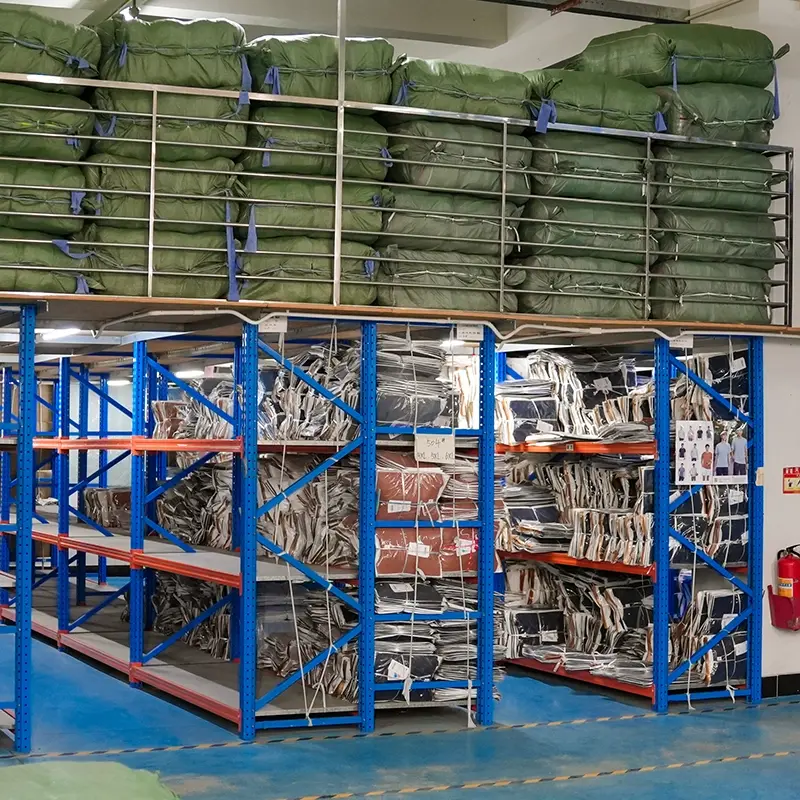
What Changes Between a First Order and a Reorder
Most sourcing guides cover the first order in detail: sampling, tech packs, lab dip approval, MOQ negotiation. Almost none explain what happens the second time a brand orders the same style. Buyers tend to default to one of two wrong assumptions. Either the reorder gets treated as a completely new intake, run through the exact same process from a blank slate, or it gets assumed to be automatically faster, cheaper, and lower-risk simply because the factory “already made this before.”
Neither assumption holds up consistently. A reorder against an unchanged spec genuinely skips real steps in the production timeline. A reorder that touches fabric, colorway, or trim resets the parts of that timeline tied to that change. The difference comes down to what a factory actually retains between orders, whether the buyer confirms that in writing before placing the PO, and how much time has passed since the last order. Understanding the garment sampling process that builds the first-order timeline is what makes it possible to spot which parts of a reorder should legitimately move faster.
A reorder placed six weeks after the first shipment behaves differently from one placed fourteen months later. Fabric availability, factory capacity, and even the specific machine used to cut the original pattern can all shift in that window. Treating every reorder as identical, regardless of the gap, is where most of the friction in this article starts.
The Clothing Manufacturer Reorder Process, Step by Step
Reorder Lead Time vs. First-Order Lead Time
A first order’s full timeline stacks two stages: a 12–15 day sample round (1–3 rounds, $80–$250 per sample set) followed by 35–45 days of bulk production from approved sample to shipped goods. Combined, a first order typically runs 47–60 days from PO to shipment.
A straight reorder against an unchanged, already-approved spec can skip the sample stage entirely and start directly into the 35–45 day bulk-production window. That alone saves the 12–15 days a first order spends waiting on sample rounds and revisions.
It does not save time inside the bulk window itself. Fabric production, not garment sewing, drives most of that 35–45 days. If the mill has to spin, knit, or weave a fresh production run rather than pull from existing stock, the reorder still consumes close to the full window, even though nothing in the pattern or construction changed.
Minimum Order Quantity on a Reorder
The 50-piece-per-style minimum covered in minimum order quantity clothing applies the same way to a reorder as it does to a first order. It does not shrink because a brand has ordered before.
That’s a function of two things that don’t change with order history: the fabric mill’s own minimum, typically 50–100 kg per colorway, and cut-and-sew labor efficiency, which makes a production run below a certain size inefficient regardless of whether tooling costs were already recovered on the first order. A factory advertising a lower “reorder minimum” is worth verifying in writing. Sometimes it’s real. Sometimes the piece count drops and a per-unit surcharge appears in its place. For a deeper look at how MOQ structures get negotiated in the first place, see how to negotiate MOQ with clothing manufacturers.
Tooling, Patterns, and What Gets Reused
The graded pattern and cutting marker built during apparel size grading are what a factory should be able to pull directly for a reorder rather than rebuilding from the tech pack. In practice, retention varies. Some factories keep digital pattern files indefinitely. Others keep them for a fixed window, often 6–12 months, before archiving or discarding them to free up storage.
Confirm this in writing at the time of the first order, not when placing the reorder: how long pattern files are retained, and whether they’re tied to a specific cutting machine that might get replaced or reconfigured before the reorder ships. If the reorder draws fabric from a different mill run or a different GSM lot than the original, request a fresh shrinkage-and-fit check before bulk cutting begins, even though the pattern itself hasn’t changed. The reasoning behind that check is covered in fabric shrinkage testing.
Reorder Pricing: What Changes and What Doesn’t
Per-unit pricing runs on the same volume curve regardless of order history: a 50-piece reorder prices like any 50-piece order, and a reorder of 200+ pieces qualifies for the same 15–30% per-unit reduction a first order of that size would get. There’s no hidden reorder discount and no hidden reorder premium baked into the volume structure itself.
What does move independently of order history is raw material cost. Yarn and resin feedstock pricing shift with the broader commodity market, not with a brand’s purchase history. Request an updated written quote rather than assuming the original number still holds, particularly for any reorder placed three or more months after the last one shipped.
Where a Reorder Sits in the Production Queue
Factories schedule production capacity by cutting-table and line availability, not by customer relationship. A reorder submitted after a factory has already slotted its next several weeks of cutting-table time queues behind that work, regardless of how many times the brand has ordered before.
This matters most during peak season. Most Dongguan factories see a capacity crunch in the third quarter, as brands push holiday-season inventory into production. A reorder placed in July for an August stockout risk can still slip past its expected ship date if the factory’s line schedule fills up before the PO lands.
Ask for a written production start date when placing a reorder, not just a lead-time estimate from the quote. A start date tied to a specific cutting-table slot is a commitment. A lead-time estimate is a target. The two aren’t the same thing, and the gap between them tends to show up exactly when a brand can least afford it, right before a stockout.
Dye Lot and Colorway Continuity on a Reorder
A reorder draws a fresh dye lot even when it goes through the same mill on the same Pantone reference. Dye lots carry natural shade variance from one dye bath to the next, which is why a reorder needs to reference the original approved lab dip on file, not just the Pantone code, to land in the same shade family as the first run. This is covered in full in the lab dip approval process and the dye-lot section of fabric sourcing for clothing manufacturers, both worth reviewing before a reorder that needs to sit next to existing inventory on a shelf.
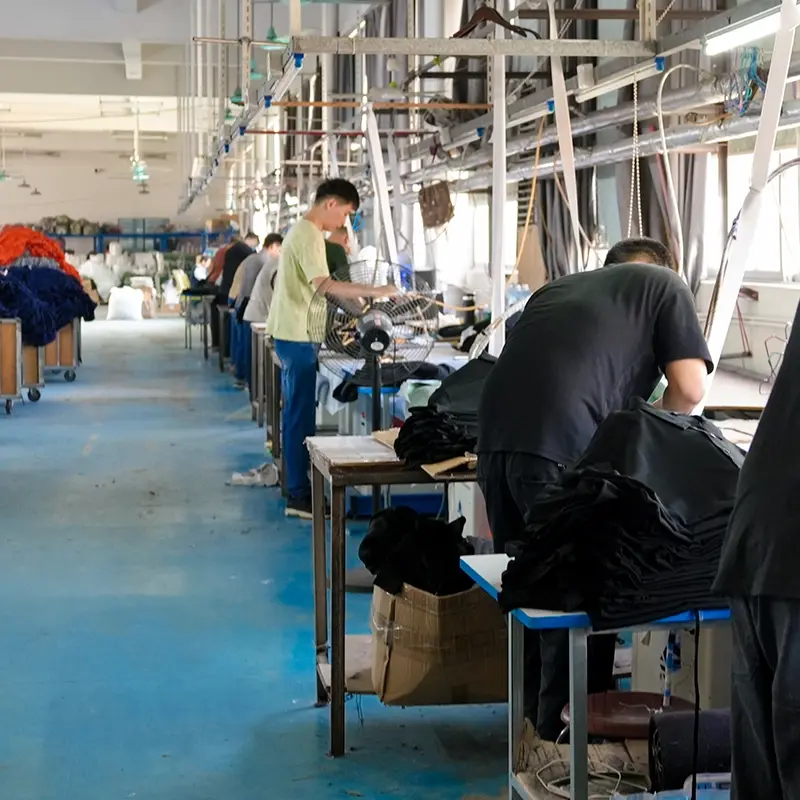
What to Confirm Before Placing a Reorder
- Reference the original lab dip approval, not the Pantone code alone. Ask the factory to pull the file, not re-match from scratch.
- Get written confirmation the pattern and marker files are on file. Ask for the file reference or location, not a verbal “yes, we have it.”
- Request a current, written quote. Don’t assume the price from the first order still applies, especially past the three-month mark.
- Request a fresh shrinkage test if the fabric mill or lot has changed. A pattern that fit correctly on the first run can produce an off-spec garment from a different fabric batch with different shrinkage behavior.
- Re-confirm label, tag, and packaging specs. Brand-side changes, like a revised care label or new hangtag copy, don’t carry over automatically just because the garment spec is unchanged.
A factory operating to a documented quality management system, such as ISO 9001:2015, is more likely to have pattern files, lab dip references, and test results logged in a system that survives staff turnover, rather than held in one production manager’s memory. It’s a reasonable question to ask directly during vetting.
First Order vs. Reorder at a Glance
| Stage | First Order | Reorder (Unchanged Spec) |
|---|---|---|
| Sample round | 12–15 days, 1–3 rounds, $80–$250 | Skipped if lab dip and tech pack are on file and approved |
| Minimum order quantity | 50 pieces per style | Same 50 pieces per style — does not shrink |
| Bulk lead time | 35–45 days from approved sample | 35–45 days from PO, without a sample stage stacked in front |
| Pricing | Volume-curve pricing, 15–30% lower at 200+ pieces | Same volume curve; request an updated written quote |
| Pattern and tooling | Built from scratch during sampling | Reused from file — confirm retention in writing |
| Dye lot | New for the order, matched during lab dip approval | Fresh again, same lab-dip-matching requirement |
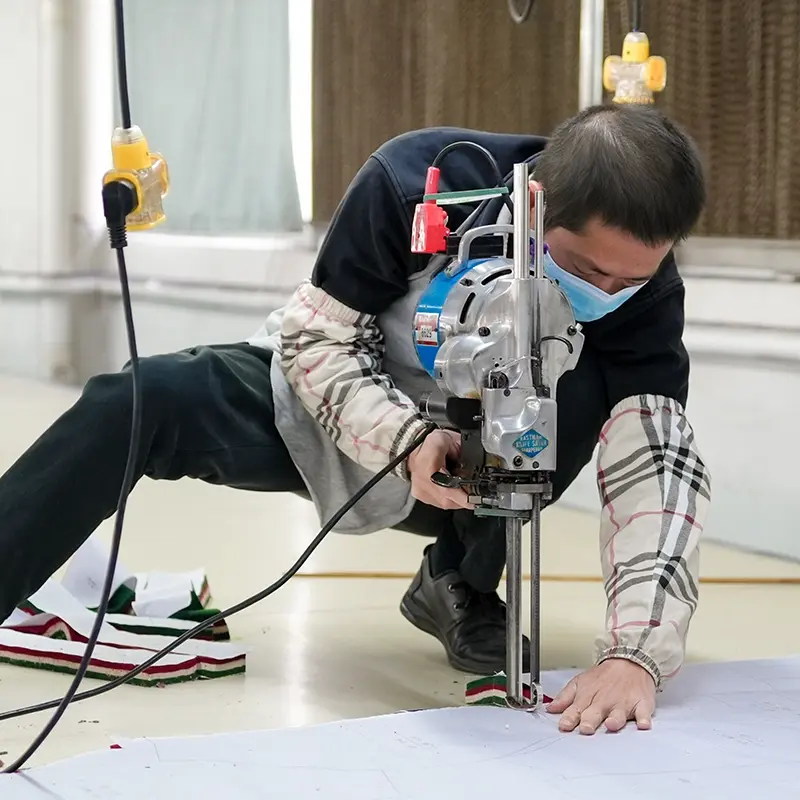
PRP Apparel’s Approach to Repeat Production Orders
PRP Apparel retains tech packs, graded pattern files, and lab dip references by style for returning brands, so a reorder against an unchanged spec moves directly into production rather than restarting the intake process. The 50-piece-per-style minimum applies the same way to a first order and a reorder — there’s no inflated repeat-order threshold and no separate reorder price list.
Being based in Dongguan, inside the Pearl River Delta’s mill network, also shortens the part of the reorder that’s hardest to compress from overseas: getting a fresh fabric production run started without queuing behind a long shipping lag between mill and factory. Brands reordering under DDP terms should also keep documentation consistent across shipments of the same style. The U.S. Customs and Border Protection reasonable care standard places that responsibility on the importer of record, not the factory, which is worth knowing before assuming a reorder’s paperwork will simply mirror the first shipment’s.
Frequently Asked Questions
Does a reorder need a new sample?
Not necessarily. If the fabric, colorway, and construction are unchanged from an approved first order, most factories can skip the 12–15 day sample stage and start directly into bulk production. A reorder that changes fabric mill, GSM, or trim should still go through at least one confirmation sample.
Is the minimum order quantity lower for a reorder than a first order?
Usually not. A 50-piece-per-style minimum reflects the fabric mill’s own MOQ, typically 50–100 kg per colorway, and cut-and-sew labor efficiency, both of which apply the same way to a reorder as a first order. Treat any factory advertising a lower reorder minimum as one to verify in writing.
Does reorder pricing stay the same as my first order?
The volume-based pricing curve stays the same: a 50-piece reorder prices like any 50-piece order, and a 200+ piece reorder qualifies for the same 15–30% per-unit discount a first order of that size would get. Raw material costs move independently of order history, so request an updated written quote rather than assuming the original number still holds, especially for reorders placed three or more months apart.
Can I change fabric, colorway, or trim on a reorder?
Yes, but any change resets the parts of the process tied to it. A new colorway needs a fresh lab dip approval. A new fabric mill or GSM needs a new shrinkage test before bulk cutting. The pattern and grading typically stay the same as long as the garment’s fit specification doesn’t change.
How far in advance should I place a reorder to avoid a stockout?
Build in the full bulk-production window, 35–45 days, plus shipping time, even for a reorder that skips sampling. Factories don’t hold open production capacity on the assumption a past customer will reorder, so a reorder placed the week stock runs out still queues behind whatever else is already on the line.
To scope a reorder or a first production run, styles, fabric specs, quantities, and timeline, reach out directly via the inquiry form.
Related Reading
- Chinese New Year Production Planning for Apparel Brands
- trims sourcing for clothing manufacturers
- Fabric Sourcing for Clothing Manufacturers
- Minimum Order Quantity Clothing
- Garment Sampling Process
Related Manufacturing Services
Ready to Start Your Clothing Project?
- MOQ from 50 pieces per style
- OEM and private label production
- Sample development support
- Fabric sourcing
- Quality inspection before shipment
- Worldwide shipping support