
A Denver-based yoga apparel brand placed its first bulk order with a sports bra manufacturer in Yiwu, expecting mid-support racerback bras suited for vinyasa and barre classes. The factory shipped 150 units built like low-support pullover tanks — no molded cup, no encapsulation seaming, a single gathered panel across the chest. The brand’s return rate hit 22% in six weeks. The factory’s response: “50-piece MOQ, standard construction” was what the quote covered. Nobody had defined what “medium support” meant in writing before the deposit cleared.
That gap is common, and it’s specific to this one product category. A hoodie quote and a sample either match or they don’t — the construction is largely one method with fabric-weight variations. A sports bra quote can describe three structurally different garments depending on which support tier the factory assumes, and the difference between them isn’t fabric choice. It’s how many layers, cups, and closures go into the build.
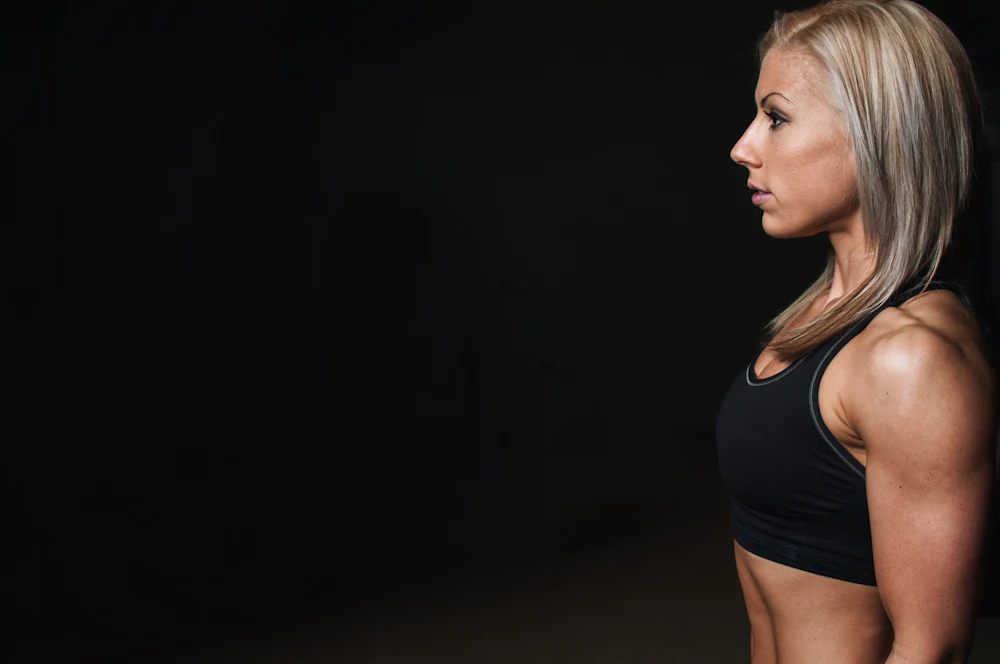
Why Sports Bra Manufacturing Is a Construction Problem, Not a Fabric Problem
Most activewear directories list “sports bras” as one line item under gym wear, next to leggings and training shorts. That grouping hides the actual engineering split. A low-support bra and a high-support running bra can share the same nylon/spandex fabric roll and still require entirely different sewing stations, trim counts, and cup sourcing.
Brands sourcing their first sports bra run often assume the support level is a design preference that gets resolved at the mockup stage. In practice, it has to be locked before the tech pack goes to the factory floor, because it changes the bill of materials: whether a cup exists at all, whether the band carries reinforced elastic, and whether the closure is a pull-over seam or a hook-and-eye tape.
This guide breaks down what changes structurally at each support tier, what that means for price and lead time, and what to verify in a sample before approving a bulk run.
Low-Support Construction: Single-Layer Compression
Low-support styles are built from a single layer of compression-weight knit fabric, gathered or shirred across the front panel. There is no separate cup, no cup lining, and no encapsulation seam. The garment holds its shape through fabric tension alone, which is why it suits low-impact use — yoga, walking, lounging — rather than running or HIIT.
Construction is fast: one cutting pattern, one sewing pass, minimal trims beyond the elastic binding at the neckline and armholes. Straps are typically fixed rather than adjustable, since there is no separate strap-and-ring hardware to source. Fewer components mean fewer places for a factory to cut corners, but also fewer places to add real support if a buyer mistakenly orders this construction expecting medium or high support.
Medium-Support Construction: Encapsulation and the First Molded Cup
Medium support introduces encapsulation: two individually shaped cups, each sewn and supporting one side separately, instead of one shirred panel compressing the chest as a unit. The cup itself may be a thin foam lining or a lightly molded shell, sewn into a racerback or standard strap silhouette.
This is the tier most gym wear manufacturers quote by default when a buyer says “sports bra” without specifying further, and it is the tier already benchmarked in PRP Apparel’s broader gym wear manufacturer with low MOQ guide: nylon/spandex 78/22, 180–220 GSM, running $10–$18 per unit at 50 pieces. The underband gets its first dedicated elastic component here, wider than the low-support band, because encapsulation construction needs a stable base to anchor the cups against.
High-Support Construction: Encapsulation-Compression Hybrid
High-support running and HIIT bras combine encapsulation with an outer compression layer — two fabric layers working together, one shaping each cup, one holding the whole structure against the body during high-impact movement. The molded cups are thicker and often removable for washing. The underband widens further, typically 2–3 inches against roughly 1 inch on a low-support style, with reinforced double-layer elastic to prevent roll-down during a run.
Straps widen too, sometimes to a full H-back or cross-back configuration that spreads shoulder load across a larger fabric area. Many high-support styles add a hook-and-eye back closure instead of a fixed pull-over seam, which adds a dedicated trim component and an extra construction step, but gives the wearer 2–3 inches of size adjustment as body composition changes through training cycles.
Band and Closure Construction: Pull-Over vs. Hook-and-Eye
The closure method is a separate decision from support level, though the two correlate. Pull-over construction — no closure at all, the band stretches to go over the head — is the cheapest and fastest to build, standard on low and most medium-support styles. Racerback strapping, which crosses the shoulder straps into an X or Y shape at the back, distributes tension away from the trapezius and reduces shoulder slip; it adds no extra trim cost since it is a pattern change, not a hardware addition.
Hook-and-eye back closures require a dedicated tape trim, plus a stitching station to attach the hook and eye rows accurately so they sit flat against the skin. Factories that skip a flat-lock finish on this seam produce a closure that digs in during movement — a common complaint in returned running bras. Ask specifically whether the hook-and-eye tape is flatlock-finished on the inside face, not just serged.
What to Verify Before Approving a Sports Bra Sample
Get the support-level construction named in writing, not just labeled. “Medium support” on a purchase order isn’t a specification. The PO or tech pack should state the construction method explicitly — single-layer compression, encapsulation, or encapsulation-compression hybrid — so there’s no ambiguity if the factory substitutes a cheaper build.
Wash-test the cup and band before approving bulk. Run the pre-production sample through 20 home wash cycles and check the molded cup for delamination and the underband elastic for recovery. A band that loses more than roughly 5% of its stretch-back after 20 cycles will visibly sag by the time a customer has worn the bra for a month. Sports bras sit against skin through heavy perspiration for the entire product lifecycle, which is why colorfastness to perspiration (ISO 105-E04) is a more relevant test here than it is for outerwear.
Confirm the cup foam supplier is locked for the full production run. Foam cups sourced from two different trim suppliers between the first and second production batches can shift fit by a full cup size even when every other spec matches. Ask the factory to name the foam supplier in the production file and confirm it doesn’t change mid-run without notice.
Verify OEKO-TEX certification covers the underband elastic and cup lining, not just the shell fabric. These are the components in direct, sustained skin contact. A factory that only certifies the outer knit and leaves trims undocumented hasn’t actually certified the garment a wearer touches most.
Support-Level Comparison
| Support Level | Construction | GSM Range | Est. Price/Unit (50 pcs) | Lead Time |
|---|---|---|---|---|
| Low | Single-layer compression, no cup | 150–190 | $8–$13 | 35–45 days |
| Medium | Encapsulation, molded/lined cup | 180–220 | $10–$18 | 35–45 days |
| High | Encapsulation-compression hybrid, wider band, hook-and-eye option | 220–280 | $16–$24 | 35–45 days |
Low-support pricing sits below the medium-support benchmark because the construction skips the cup and cup lining entirely — one fewer sewing station, one fewer trim. High-support pricing runs above it because the hybrid layer, wider reinforced band, and optional hook-and-eye tape each add a component and a stitching pass that medium-support construction doesn’t require.
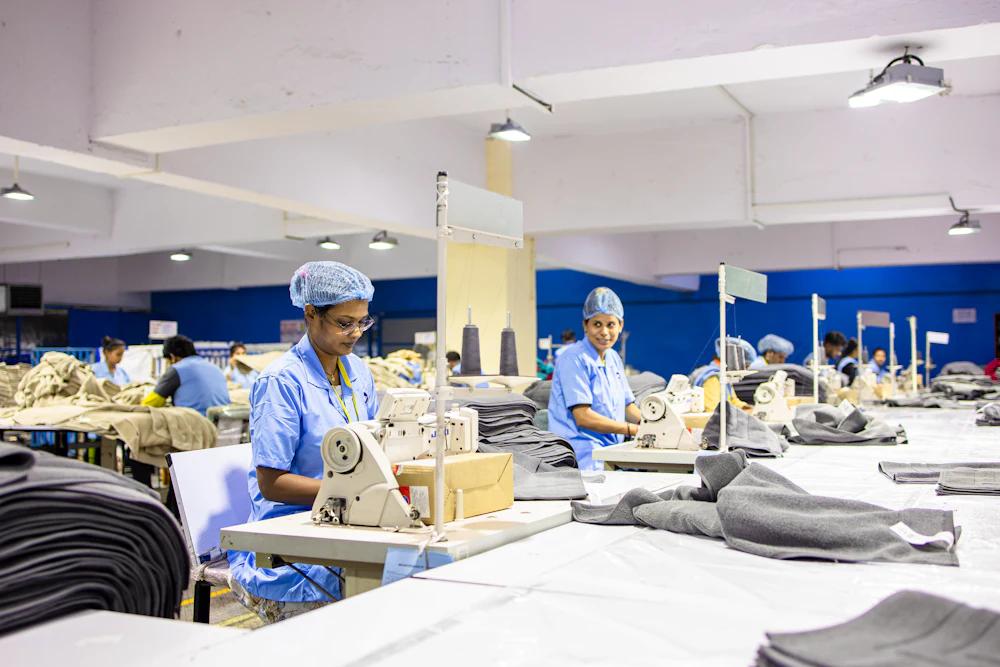
PRP Apparel’s Sports Bra Production
PRP Apparel builds all three support tiers from its Dongguan facility, starting at 50 pieces per style — the same per-style minimum that applies across the activewear fabrics the factory works with, not a reduced-customization tier for smaller orders. Flatlock seaming is standard on every support level, including the hook-and-eye closure seam on high-support styles, which is the specific detail that prevents the digging-in complaint described above.
Sample lead time runs 12–15 days from confirmed tech pack, with 1–3 sample rounds typical before bulk approval — the same timeline covered in PRP’s guide to negotiating MOQ with clothing manufacturers. OEKO-TEX Standard 100 certification applies to the fabric across all three tiers, cup lining and underband elastic included, and colorfastness testing is available on request. Brands building a full activewear line alongside sports bras can source matching leggings through the same production line — see the guide on custom legging manufacturer construction for the compression-bottom half of a matching set.
Quick Reference
| Spec | Detail |
|---|---|
| MOQ | 50 pieces per style, any support level |
| Sample lead time | 12–15 days |
| Bulk lead time | 35–45 days |
| Fabric | Nylon/spandex 78/22 or 80/20; polyester/spandex 87/13 for lower-cost builds |
| Certifications | OEKO-TEX Standard 100 (fabric, trims, and lining); ISO 105-E04 on request |
| Key verification step | Support level named by construction method in the PO, not just as a label |
Frequently Asked Questions
What’s the minimum order quantity for a custom sports bra manufacturer?
Fifty pieces per style at PRP Apparel, regardless of support level. This is the same per-style minimum applied to leggings, training shorts, and the rest of the activewear category — a low-support, medium-support, and high-support style each carry their own 50-piece minimum rather than needing to be combined into one larger order.
What’s the actual difference between low, medium, and high support sports bra construction?
Low support is a single layer of compression fabric with no separate cup. Medium support adds encapsulation — two individually shaped cups sewn in. High support combines encapsulation with an outer compression layer, a wider reinforced band, and often a hook-and-eye closure for size adjustment. The differences are structural, not just about fabric weight.
How long do sports bra samples take before bulk production?
Twelve to fifteen days from a confirmed tech pack, with one to three sample rounds standard. High-support styles with a hook-and-eye closure sometimes need an extra round to confirm the trim sits flat against the skin without digging in during movement.
Can sports bras be made with recycled fabric (rPET)?
PRP Apparel currently confirms rPET for compression leggings specifically, with GRS chain-of-custody documentation from the fabric mill. Sports bra rPET availability depends on the mill’s current run — brands wanting a recycled-fiber sports bra should confirm fabric sourcing directly before finalizing a tech pack rather than assuming the legging fabric transfers automatically.
What certifications should a sports bra factory provide?
OEKO-TEX Standard 100 covering the shell fabric, cup lining, and underband elastic — not just the outer knit, since those are the components in sustained skin contact. Colorfastness testing to perspiration (ISO 105-E04) is worth requesting specifically for this category, given how much sweat contact a sports bra sees compared to outerwear.
Does support level affect production lead time?
Not meaningfully. All three support tiers run 35–45 days from an approved sample at the same facility, since the difference is in construction complexity per unit rather than fabric sourcing or dye lead time. What changes is the sample round count — high-support styles more often need a second round to confirm closure and band fit.
To discuss a sports bra project — support level, fabric, closure type, and quantity — reach out directly via the inquiry form.
Related Reading
Related Manufacturing Services
Ready to Start Your Clothing Project?
- MOQ from 50 pieces per style
- OEM and private label production
- Sample development support
- Fabric sourcing
- Quality inspection before shipment
- Worldwide shipping support