
A Melbourne-based basics brand came to PRP Apparel after a customer complaint pattern showed up in returns: buyers were sending back briefs because the side seams dug in under leggings and bike shorts. The brand’s existing factory had been supplying cut-and-sew underwear with serged side seams the whole time, despite quoting the product as “seamless” on the original spec sheet. The founder had assumed seamless was a marketing description — it is actually a different machine, a different fabric process, and a different construction category entirely. Finding a seamless underwear manufacturer means verifying that distinction before placing a deposit, not after the first return spike.
What “Seamless” Actually Means in Underwear Manufacturing
Cut-and-sew underwear starts as flat fabric panels cut from a roll, then sewn together at the sides, crotch, and waistband on standard sewing machines. Every seam is a potential pressure point, and every seam adds a step where a factory can cut corners on stitch quality.
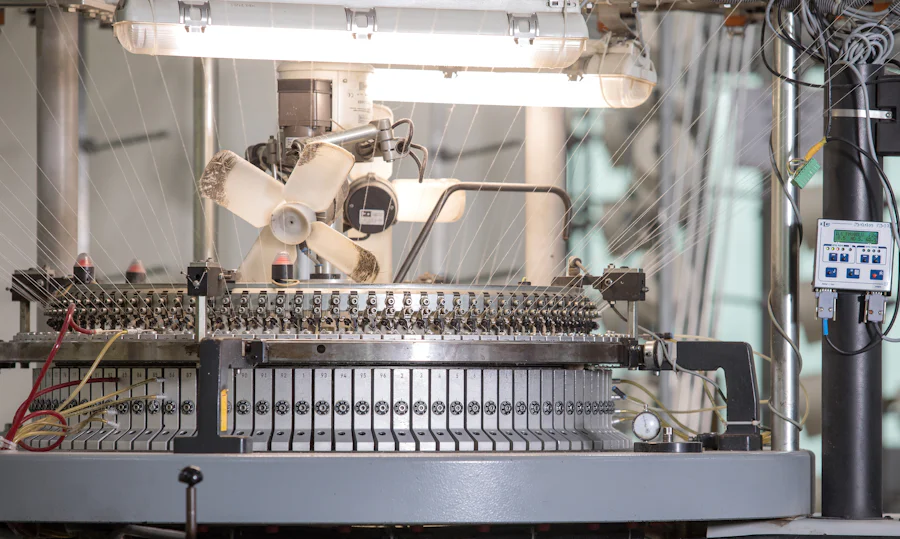
Seamless underwear is knit to shape on a circular knitting machine, the same category of machine used for high-end hosiery and compression wear. The fabric forms as a continuous tube directly in the finished garment shape, with the body, waistband, and leg openings constructed in one knitting pass rather than assembled from cut pieces. There is no side seam because there is no side panel to sew — the only construction points are the crotch gusset (typically closed with a flatlock or linking stitch) and the finished edges at the waist and legs.
This distinction matters for buyers because “seamless” gets used loosely in sourcing conversations. A factory that bonds or covers a cut-and-sew seam with tape is not producing seamless underwear. A factory running actual circular knit machines is. The two look similar in a product photo and are not similar in production process, machine investment, or price.
How Circular Knit Seamless Construction Actually Works
Circular Knit Machines and Gauge
Seamless intimates run on circular knitting machines from manufacturers like Santoni and Sangiacomo, in gauges typically ranging from 13 to 32 (needles per inch of cylinder diameter). Finer gauges (24–32) produce the smooth, close-knit fabric used for briefs and bralettes. Coarser gauges (13–18) suit thermal base layers where a heavier, more insulating knit is the goal. A factory quoting seamless production without naming the machine brand and gauge range is a red flag worth following up on directly.
Knit-to-Shape vs. Cut-and-Sew Fabric Use
Cut-and-sew production cuts flat fabric into pattern pieces, which generates fabric waste at every cutting table. Circular knit machines program the garment shape directly into the knitting cycle, so the tube comes off the machine already sized and shaped, with minimal trim waste. This is part of why seamless construction, once the machine investment is in place, can be cost-competitive with cut-and-sew at moderate volumes despite the specialized equipment.
Finishing: Where the Real Construction Happens
The knit tube isn’t a finished garment. Waistbands get finished with either a folded-and-stitched hem or a bonded elastic band, and the crotch gusset is added as a separate knit panel, linked in by hand or machine. Dyeing happens after knitting, since the tube comes off the machine in undyed “greige” state, which means color-matching and colorfastness testing happen at the piece-dye stage, not the yarn stage.
Fabric Options for Seamless Underwear
PRP Apparel runs seamless circular knit production in micro modal, bamboo, and cotton/spandex blends, the same fiber options used across the Underwear & Base Layers line for briefs, boxers, trunks, and thermal base layers. Each fiber behaves differently on a circular knit machine:
Micro Modal: Fine-denier modal fiber that knits into an exceptionally smooth, low-friction surface, the standard choice for seamless briefs and bralettes where next-to-skin comfort is the primary sell.
Bamboo (Viscose/Lyocell): Knits with natural moisture absorption and a soft hand feel. Under US labeling law, bamboo-derived fabric must be labeled as rayon or lyocell “made from bamboo,” never as “100% bamboo” on the finished garment, a distinction covered in more depth in the guide on bamboo fabric clothing manufacturing.
Cotton/Spandex: The workhorse blend for seamless thermal base layers and everyday briefs, typically 92/8 to 95/5 cotton-to-spandex for enough stretch recovery to hold shape through repeated washing without a bonded elastic waistband.
Fiber content accuracy on the label matters more on seamless garments than cut-and-sew ones, since a seamless tube can blend fibers mid-knit in ways a cut-and-sew label sometimes glosses over. The FTC’s Textile and Wool Acts labeling guidance sets the federal requirement for accurate fiber content disclosure on every garment sold in the US, and it applies regardless of construction method.
MOQ and Sample Realities for Seamless Underwear
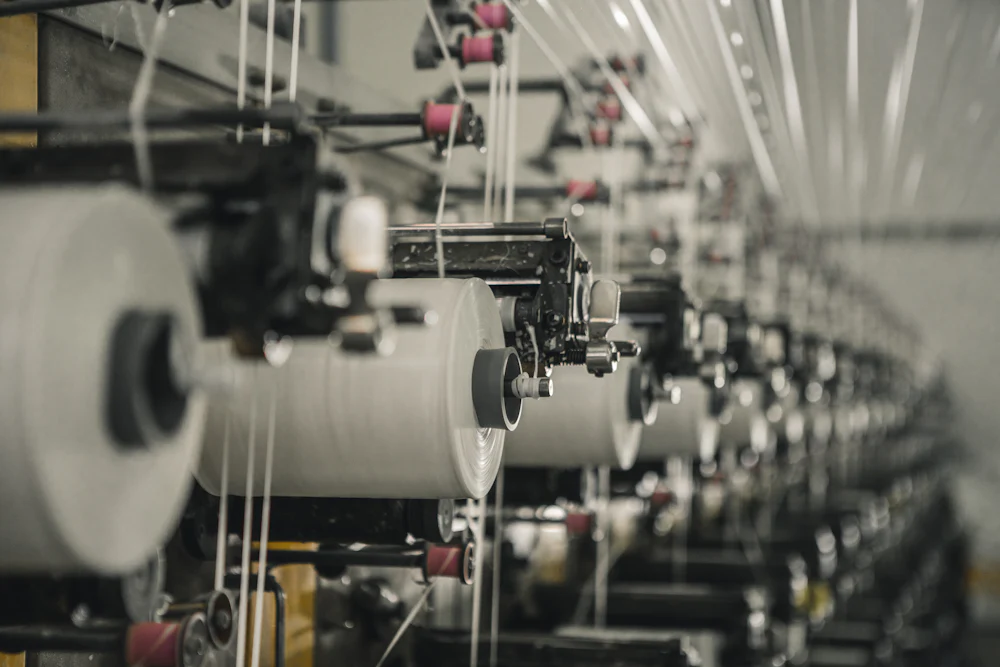
Circular knit machines run in complete cylinder cycles per size and colorway, which changes how minimums stack up compared to cut-and-sew. A cut-and-sew factory can mix small cutting-table runs across sizes with less friction — a seamless factory needs enough units per size/color combination to justify a machine changeover, which is part of why some seamless suppliers quote higher effective minimums than their cut-and-sew catalog implies.
PRP Apparel’s MOQ for seamless underwear stays at the standard 50 pieces per style, the same floor that applies across every product category, not a raised minimum for the seamless line. Sample lead time runs 12–15 days from order confirmation, with 1–3 sample rounds typical and $80–$250 per sample set depending on fiber blend and gusset construction complexity. Bulk production runs 35–45 days from approved sample. For a full breakdown of how to negotiate these numbers and what “MOQ” actually means when a factory quotes it, see the guide on negotiating MOQ with clothing manufacturers.
Verification: How to Confirm a Factory Actually Runs Seamless Production
Ask for the machine list by brand and gauge. “Seamless capability” without a named machine brand (Santoni, Sangiacomo, or a comparable circular knit line) and gauge range is unverifiable on its face — a factory that hedges on this question is likely subcontracting seamless production out, or not running it at all.
Request a physical sample, not a product photo. Run a finger along the side of the garment. A true seamless brief has no side seam to feel. A cut-and-sew garment with a bonded or covered seam will still show a ridge or a change in fabric thickness under close inspection, even when the seam is taped over on the outside.
Check the crotch gusset construction. Even genuine seamless garments have a linked-in gusset panel. Ask how it’s attached (flatlock stitch vs. hand-linking) and request that detail in writing, since gusset construction is the single most common failure point on returned seamless underwear.
Verify fabric-to-garment traceability. Since dyeing happens after knitting on seamless production, ask for colorfastness documentation from the piece-dye stage, not a generic yarn-level certificate. A factory testing to OEKO-TEX Standard 100 on the finished piece-dyed fabric is providing the right level of documentation for a skin-contact garment.
Seamless vs. Cut-and-Sew vs. Bonded-Seam Underwear
| Construction | How It’s Made | Comfort Profile | Customization Limits | Typical Use Case |
|---|---|---|---|---|
| Seamless (circular knit) | Knit to shape on circular knit machine, no side seam | Smoothest, no visible panty line, no seam pressure points | Limited to what the knit pattern can encode; woven labels can’t be sewn at a seam that doesn’t exist | Briefs, bralettes, thermal base layers worn under fitted activewear |
| Cut-and-Sew | Flat fabric panels sewn at sides, crotch, waistband | Standard comfort, seam-dependent fit | Full pattern flexibility, easiest for complex trims and prints | Boxers, trunks, printed or patterned underwear |
| Bonded-Seam | Cut-and-sew panels joined with heat-bonded tape instead of stitching | Smoother than stitched seams, not fully seamless | Moderate: bonding equipment limits some trim placement | Mid-tier “seamless-look” product without full circular knit investment |
Branding on true seamless garments works differently than on cut-and-sew styles. A woven label needs a seam or hem to attach to, so seamless underwear typically carries branding through heat-transfer prints on the waistband or a printed care label rather than a sewn woven tag, a detail worth flagging up front with any supplier discussion covered further in the guide on custom labels and packaging.
PRP Apparel’s Seamless Underwear Capability
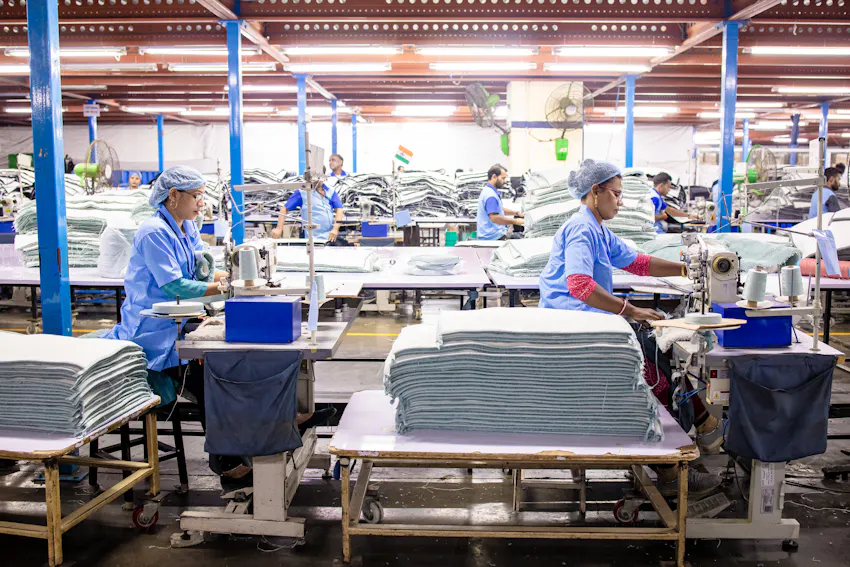
PRP Apparel runs circular knit seamless production in Dongguan alongside cut-and-sew underwear, boxers, trunks, and thermal base layers, all under the same 50-piece MOQ that applies across the Underwear & Base Layers line. Fabric options are micro modal, bamboo, and cotton/spandex, with seamless construction available across the category rather than gated to a single style. For brands weighing seamless against a standard cut-and-sew manufacturer approach, the production path runs through the same sample and bulk timeline either way, 12–15 day samples and 35–45 day bulk from approved sample, so the decision point is fabric feel and seam-free comfort rather than a timeline tradeoff.
Summary: Seamless Underwear Manufacturing at a Glance
| Spec | Detail |
|---|---|
| Construction | Circular knit, machine gauge 13–32 depending on style |
| Fabric options | Micro modal, bamboo (viscose/lyocell), cotton/spandex |
| MOQ | 50 pieces per style |
| Sample lead time | 12–15 days |
| Sample cost | $80–$250 per sample set |
| Sample rounds | 1–3 standard |
| Bulk lead time | 35–45 days from approved sample |
| Branding method | Heat-transfer print or printed label (no sewn woven label at a seam) |
| Fabric certification | OEKO-TEX Standard 100 available |
Frequently Asked Questions
What is the minimum order quantity for seamless underwear?
PRP Apparel’s MOQ for seamless underwear is 50 pieces per style, matching the standard minimum across the Underwear & Base Layers line. Confirm whether a quoted MOQ applies per style, per color, or per size, since seamless machine changeovers make some suppliers structure minimums differently than cut-and-sew factories do.
Is seamless underwear more expensive than cut-and-sew?
It depends on volume and style complexity. Seamless production eliminates cutting waste and sewing labor but requires circular knit machine time, so per-unit cost is competitive at moderate volumes and can run higher than cut-and-sew at very small or highly customized orders. Get a fabric- and construction-specific quote rather than assuming a flat premium either way.
Can seamless underwear have a printed logo or pattern?
Yes, through sublimation printing or heat transfer applied to the finished knit piece, but not through the same embroidery or large-scale screen print processes used on cut-and-sew garments, since the knit surface and stretch profile differ from woven or cut-and-sew jersey.
What fabric is best for seamless underwear?
Micro modal is the standard choice for everyday comfort and smoothness. Bamboo viscose adds moisture absorption for warm-climate or activewear-adjacent use. Cotton/spandex blends suit thermal base layers where stretch recovery through repeated washing matters more than ultra-fine hand feel.
How do I verify a factory actually runs seamless production and isn’t subcontracting it?
Ask for the circular knit machine brand and gauge by name, request a physical sample to check for the absence of a side seam, and ask specifically how the crotch gusset is attached. A factory that can’t answer these three questions specifically is either subcontracting the work or not running true seamless production.
Does seamless underwear need different care instructions than cut-and-sew?
Not typically. Care instructions follow the fiber content (modal, bamboo viscose, cotton/spandex) rather than the construction method, though the absence of structural seams means seamless garments generally hold shape well through machine washing when the fiber blend includes adequate spandex content.
To discuss a seamless underwear project, styles, fabric blend, sizing, and timeline, reach out directly via the inquiry form.
Related Reading
- Bralette Manufacturer
- Briefs Boxers Trunks Manufacturer: How Cut Style Changes Construction
- How to Choose the Best Underwear Manufacturer
- Cut and Sew Manufacturer
- Bamboo Fabric Clothing Manufacturer
Related Manufacturing Services
Products We Manufacture
Ready to Start Your Clothing Project?
- MOQ from 50 pieces per style
- OEM and private label production
- Sample development support
- Fabric sourcing
- Quality inspection before shipment
- Worldwide shipping support