
Eleven Fabrics, One Factory, No Guesswork
We are a garment factory in Humen Town, Dongguan. Fabric is the first decision on every order we run, so this page is the honest version of what each material actually does — the GSM range, the stretch, the certification paperwork, and where a fabric choice quietly breaks a budget or a deadline. Cotton, organic cotton, bamboo viscose, rPET, French terry, fleece, jersey, linen, nylon, spandex blends, and the sustainable options that pull from several of those — eleven families, cut on the same lines, under the same OEKO-TEX Standard 100 fabric certification.
Fabric families we
cut regularly: 11
from 100% cotton to rPET
MOQ on any
fabric: 50 pcs
per style, not per colorway
Fabric certified
to OEKO-TEX Std 100
not an upsell, included
rPET orders ship
with GRS docs
recycled-content proof included
The 11 Fabrics and Materials We Work With
Cotton
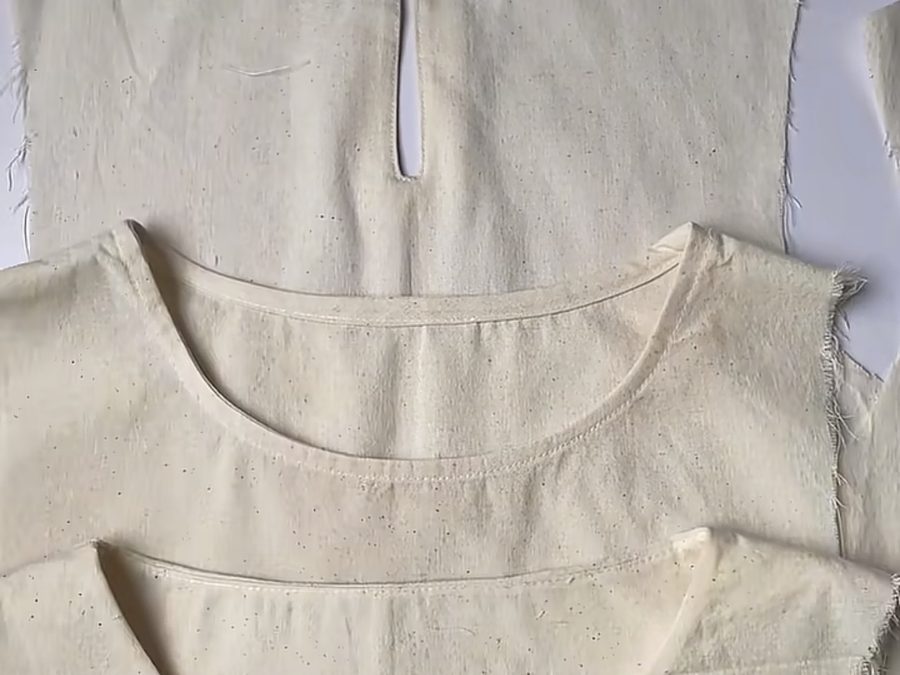
Cotton is still what most first orders are cut in, and for good reason — it is forgiving to sew, dyes evenly, and buyers already know how it should feel. We run 100% cotton and cotton/poly blends anywhere from 140 GSM for a fitted crew tee up to 400 GSM for a heavyweight crewneck. If a sample comes back a touch stiff, that is almost always a GSM problem, not a cotton problem — tell us the drape you want and we adjust the weight before we adjust anything else.
Organic Cotton
Same fiber, different paper trail. Organic cotton runs through the same cutting and sewing lines as standard cotton — the difference is upstream, in how the raw fiber was grown and what documentation follows it through the mill. We can source it across the same product range as regular cotton, but budget extra sourcing time on top of our standard 35-45 day production window, since certified lots do not sit in every mill’s inventory the way conventional cotton does.
Bamboo
Bamboo-derived viscose is what brands reach for when a tee or lounge piece needs to feel expensive without silk pricing. It drapes softer and cooler against skin than cotton at a comparable weight, which is why it shows up most in our loungewear and base-layer lines rather than structured outerwear — the fabric will not hold a crisp edge the way woven cotton does, and we say so upfront if a design depends on one.
rPET
rPET is recycled PET plastic spun back into polyester yarn, and on our compression legging and activewear lines it performs close to identically to virgin polyester — same stretch recovery, same moisture handling. What changes is the paperwork: rPET orders ship with GRS (Global Recycled Standard) documentation, so a recycled-content claim on your own packaging is backed by something more than our word.
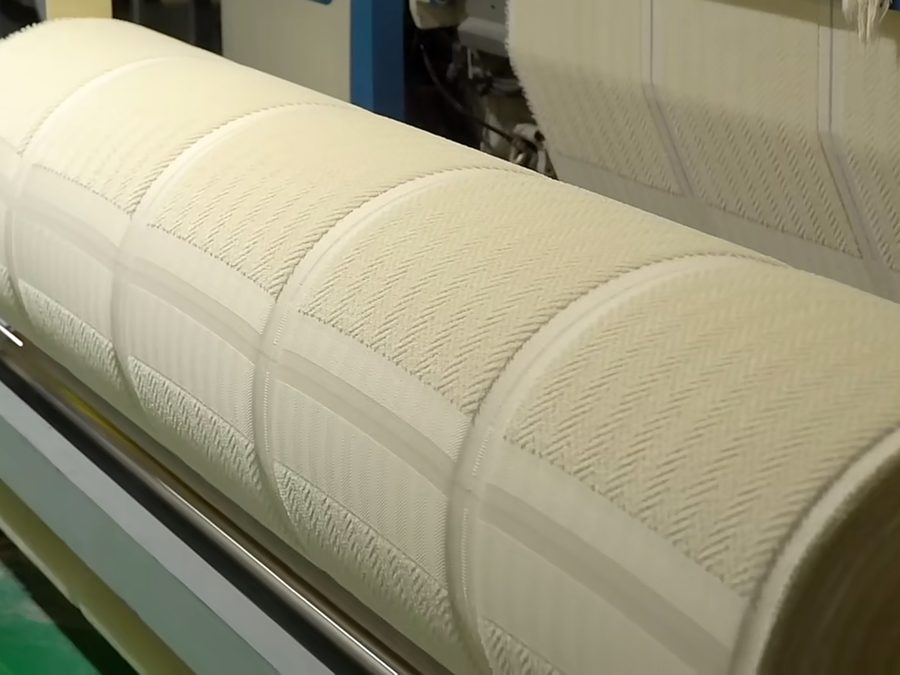
French Terry
French terry is the loop-back knit in the photo above — smooth face, looped interior, no brushing. It sits in the same 280-400 GSM range as our fleece but wears lighter, since the loops trap less bulk than a brushed nap. That makes it the default for a joggers-and-crewneck set meant for three-season wear rather than deep winter.
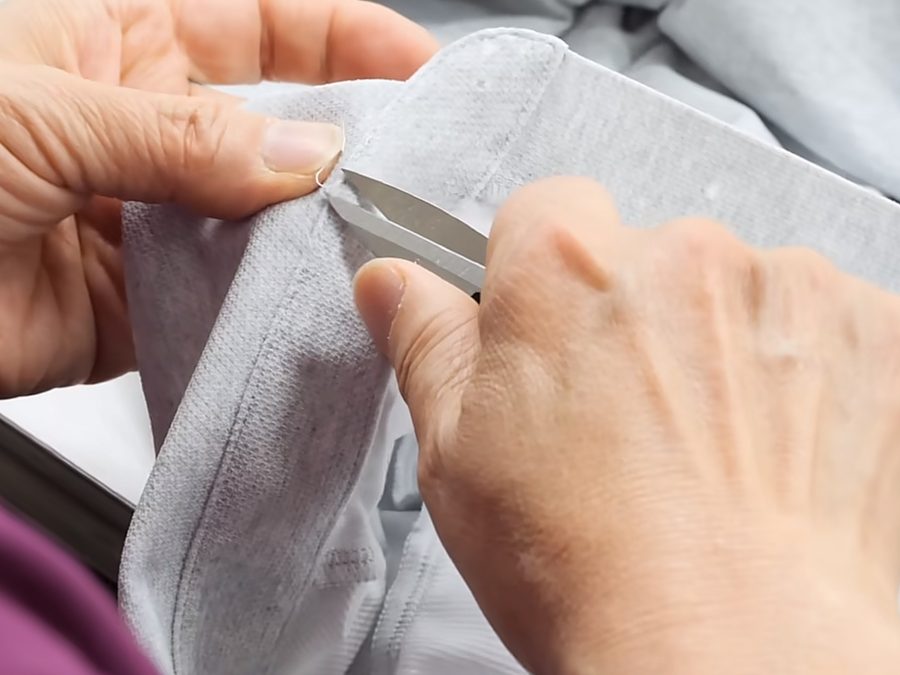
Fleece
Fleece is the brushed, napped version of the same family — cotton/poly blends at 280-400 GSM for pullover hoodies and crewnecks. The brushing happens after knitting, in a separate finishing pass, which is why fleece runs a little more per meter than an unbrushed terry of the same weight. If a hoodie needs to feel heavy in someone’s hands at unboxing, this is the fabric that delivers it, not French terry.
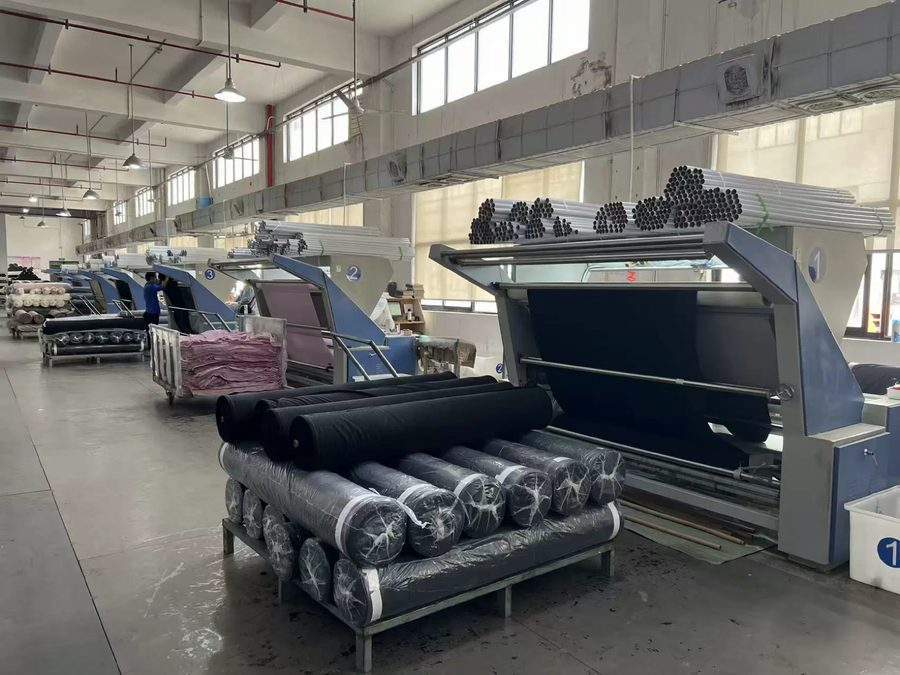
Jersey
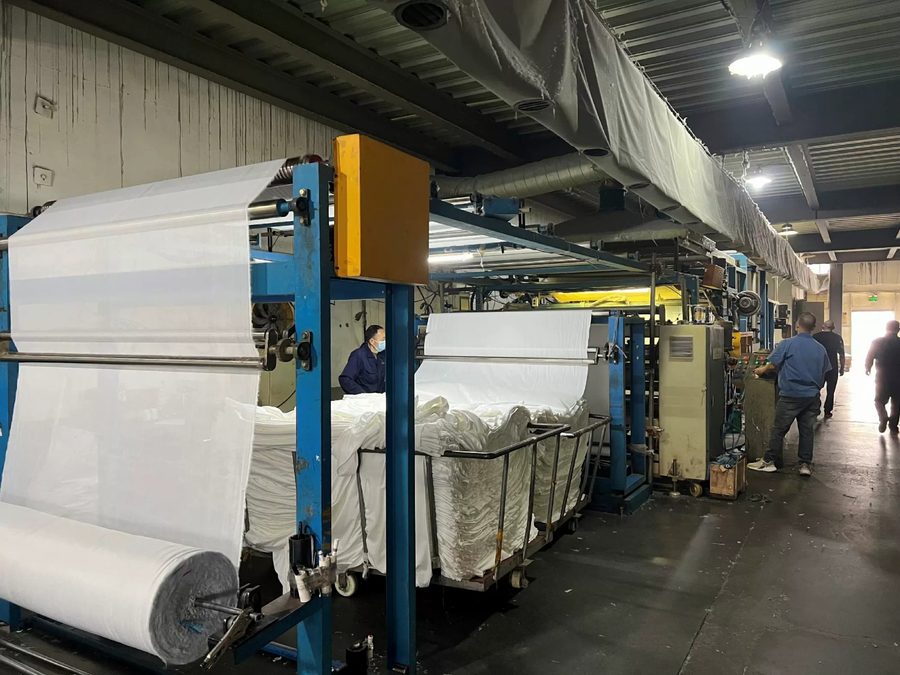
Jersey is the basic single-knit construction underneath most of what we ship — t-shirts, fitted dresses, base layers. It is what is rolling through inspection in the photo above, checked for weight consistency and colorfastness before it ever reaches a cutting table. Plain jersey runs 140-200 GSM for a standard tee; ask for a heavier hand and we move you to 200-280 GSM heavyweight jersey instead, which holds a print better and resists show-through.
Linen
Linen is the one fabric on this page we do not run through high-volume production — a woven natural fiber with a visible slub that, at our MOQ and lead-time structure, works best for a small warm-weather capsule rather than a core year-round line. If linen is central to your collection, tell us early; we will be straight about whether 50 pieces clears the mill minimums that specific fiber needs.
Nylon
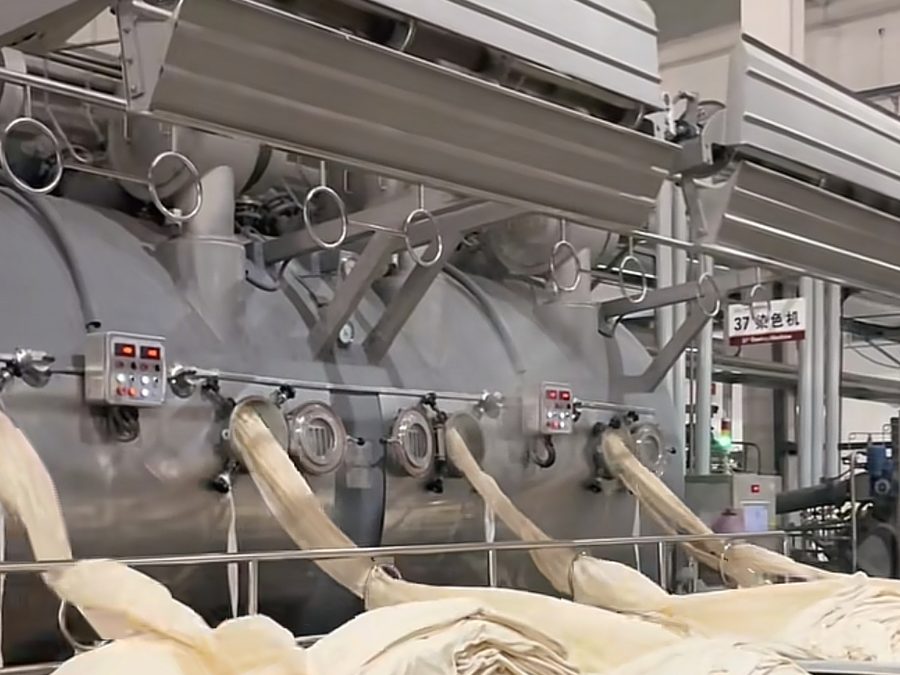
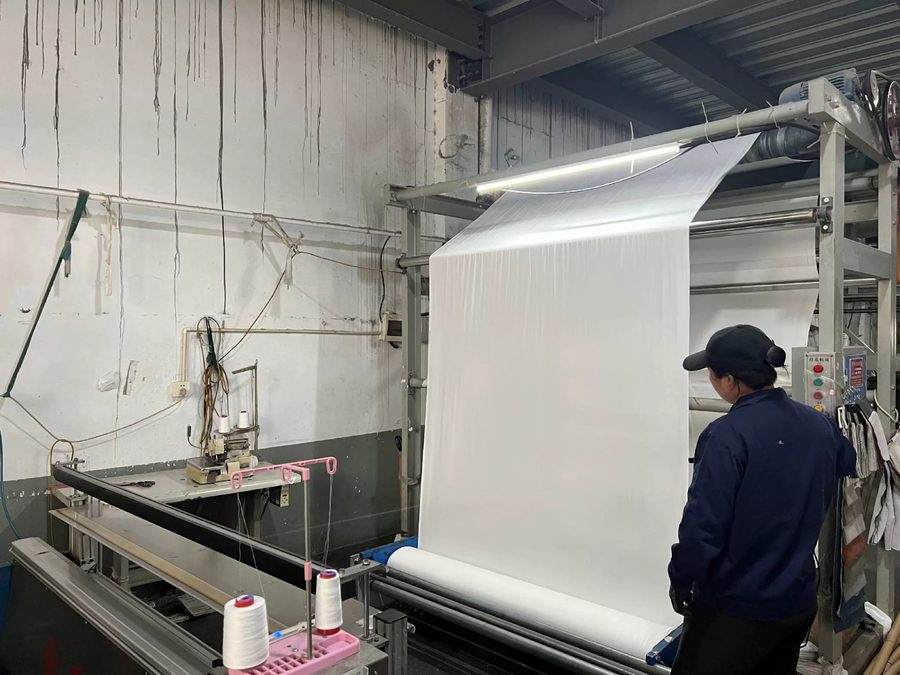
Nylon is the smooth, technical face fabric rolling off the finishing machine in the photo above — high tenacity, low moisture absorption, the base layer in most of our compression and swim-adjacent styles. We typically blend it with spandex at 80/20 for leggings rather than run it solid, since solid nylon has almost no stretch on its own. If a tech pack calls for pure nylon, we flag it and ask what stretch behavior is actually needed before a sample gets cut.
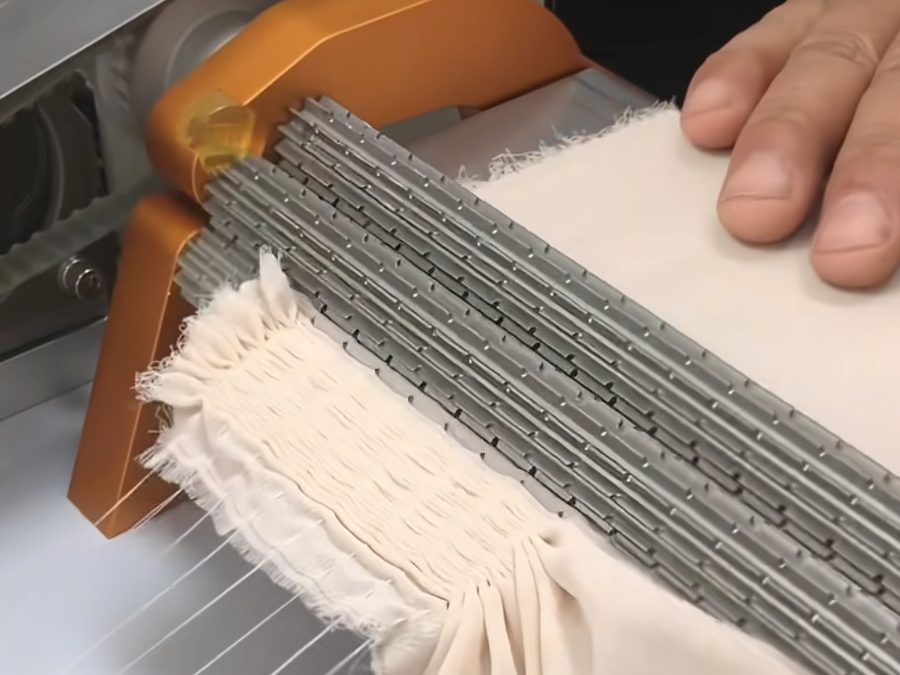
Spandex
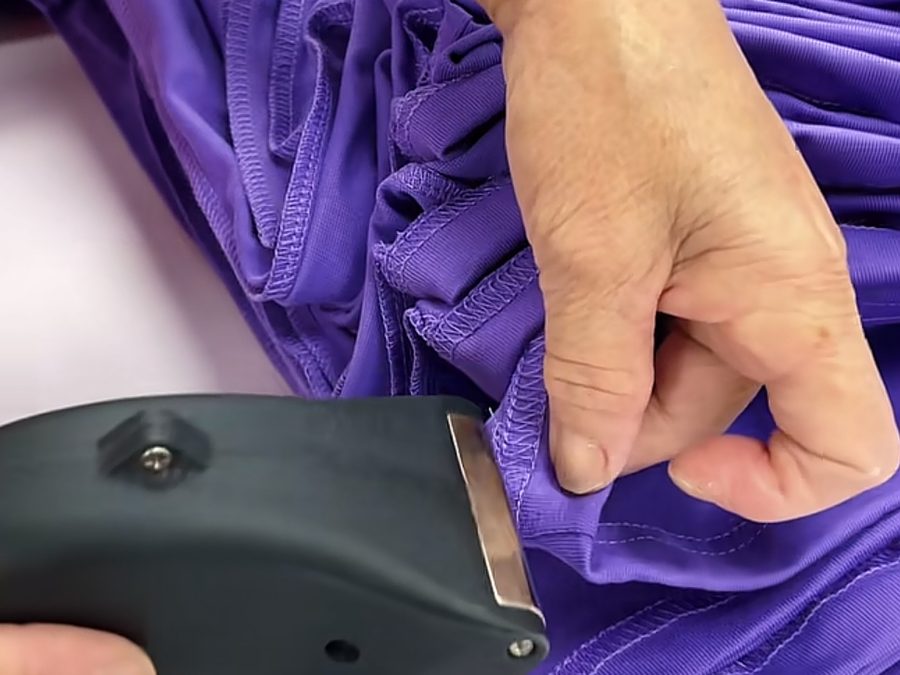
Spandex never ships as its own fabric — it is the 10-20% stretch component blended into a nylon or polyester base, exactly what is being pulled and gathered in the photo above. More spandex means more recovery, the garment snapping back to shape after a workout, but also a slower, more careful sew: overstretching a spandex-heavy knit under the needle is the single most common cause of wavy seams on a first sample.
Sustainable Options
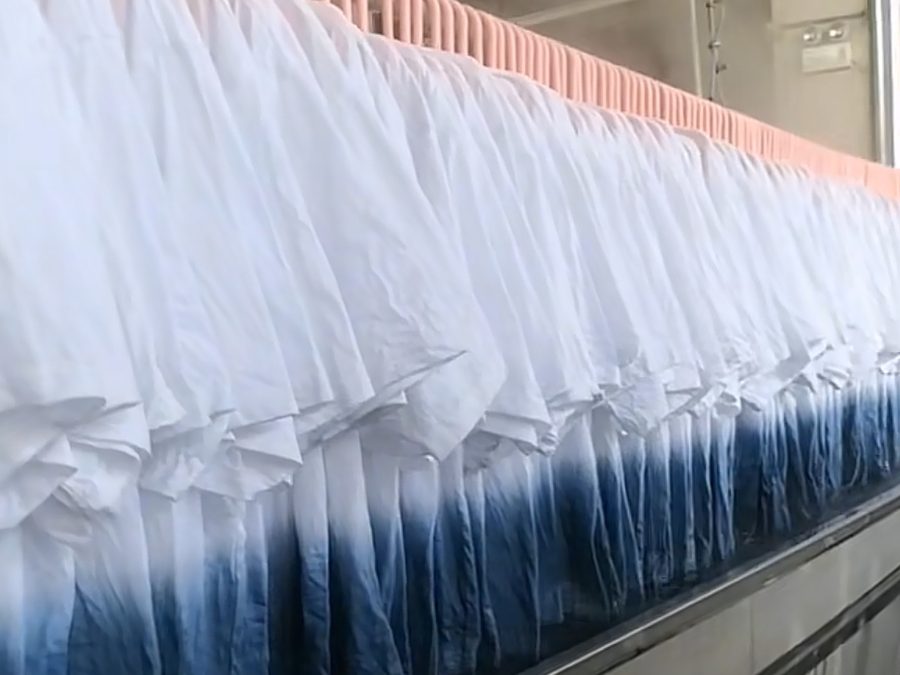
“Sustainable” is not one fabric on our floor — it is rPET, organic cotton, bamboo viscose, and the low-impact dye process shown above, where that ombré indigo effect is achieved with reduced water and no harsh mordants. We group them here because buyers usually ask about them together. Full certification detail lives on our sustainability guide; this card is the short version for people comparing fabric, not paperwork.
How the 11 Fabrics Actually Compare
Buyers usually ask this as “what fabric should I use”, which is really three separate questions: how heavy, how much stretch, and what will it cost in minimums. Here is the short version, fiber by fiber:
| Fabric | Typical GSM | Stretch | Best For | Common Blend |
|---|---|---|---|---|
| Cotton | 140–400 | None–Low | Tees, hoodies, everyday basics | 100% or cotton/poly |
| Organic Cotton | 140–400 | None–Low | Same as cotton, certified supply chain | 100% organic cotton |
| Bamboo | 150–200 | Low | Loungewear, base layers, soft-hand tees | Bamboo viscose, bamboo/cotton |
| rPET | 150–280 | Med–High blended | Activewear, compression, sustainable positioning | rPET/spandex |
| French Terry | 280–400 | Low | Joggers, lightweight crewnecks | Cotton/poly |
| Fleece | 280–400 | Low | Heavyweight hoodies, pullovers | Cotton/poly |
| Jersey | 140–280 | Low–Med | T-shirts, dresses, base layers | 100% cotton, cotton/spandex |
| Linen | Varies, small-batch | None | Warm-weather capsule pieces | 100% linen, linen/cotton |
| Nylon | 150–280 | None solo / High blended | Compression, technical shells | Nylon/spandex 80/20 |
| Spandex | N/A – blend component | Highest | Compression, fitted activewear | 10–20% of a blend |
| Sustainable options | Varies by fabric | Varies | Brands needing GRS / OEKO-TEX documentation | rPET, organic cotton, bamboo |
Fabric Sourcing Is a Service, Not Just a Spec Sheet
Everything on this page gets sourced, tested, and cut through the same fabric sourcing process described on our services page — we are not reselling from a swatch book, we are pulling from mills we already work with inside Dongguan’s supply chain. If you already know which product category you are building — browse product categories to see which fabrics we default to for each one, or read the OEKO-TEX certification breakdown if compliance paperwork is the real question.
What to Tell Us So the Fabric Quote Is Accurate
Fabric is the single biggest lever on price and lead time, and the fastest way to get a number that will not move later is to answer these before we quote:
- Target retail price — so we can suggest a fiber and GSM combination that actually leaves you a margin, instead of quoting a fabric you cannot afford to use.
- End use and season — a legging and a lounge pant both use knit fabric, but the weight and stretch recommendation is different for each.
- Any required certification — OEKO-TEX, GRS, CPSC. Tell us before sampling starts, not after, since some documentation has to be requested from the mill in advance.
- A hand-feel reference — a swatch, a competitor garment, or just “soft like a well-worn cotton tee”. We translate that into a spec.
- Colorway count — this affects minimums per color at the mill, which is a separate number from your 50-piece style MOQ.
- Whether stretch recovery matters — compression-level recovery costs more in spandex content than a relaxed, everyday fit.
Send it through the enquiry form or on WhatsApp. If a fabric will not do what a design needs, we would rather say so before a sample round than after.
Fabric Questions Buyers Actually Ask
What is the minimum order for a specific fabric?
50 pieces per style, same as everything else we cut. The one exception is a fiber like linen that a mill only stocks in larger lot sizes — we will tell you at quote stage if your fabric choice needs a higher minimum than your garment MOQ.
Can you match a fabric swatch I already have?
Usually, yes. Send the swatch or a clear photo and we will source the closest match, run a colorfastness check, and confirm GSM before cutting a sample. An exact dye-lot match is not guaranteed on the first attempt, which is what the sample round is for.
Do you certify fabric on every order, or only if I ask?
OEKO-TEX Standard 100 fabric certification is included across our lines, not an upsell you have to request. GRS documentation for rPET and CPSC flammability documentation for children’s sleepwear are available on request for the orders that need them.
What is the real difference between rPET and regular polyester?
Performance-wise, almost nothing — same stretch recovery, same moisture handling. The difference is that rPET is spun from recycled PET plastic and ships with GRS documentation, so a recycled-content claim on your packaging is backed by paperwork instead of just a label.
How much does fabric sourcing add to my lead time?
For fabrics we stock through regular mill relationships, sourcing is already built into the standard 35-45 day bulk production window. Organic cotton and linen can add extra time upfront, since certified or small-batch lots are not always sitting in inventory.
Can I mix fabrics in one order, like cotton tees and fleece hoodies?
Yes, that is normal. Most brands running a full drop or capsule are ordering two or three different fabrics at once. Each style is still quoted and produced against its own MOQ and GSM spec.
What GSM should I choose for a hoodie versus a t-shirt?
A standard tee usually sits at 140-200 GSM in cotton jersey, with 200-280 GSM heavyweight jersey for a boxier, less see-through feel. Hoodies run 280-400 GSM in fleece or French terry. If you are unsure, describe the drape you want and we will translate it into a number.
Do you provide fabric composition and care labels?
Yes — custom woven labels and care labels are part of our standard packaging and labeling service, priced in at the same 50-piece MOQ as everything else, so first orders still ship shelf-ready.
Tell Us What You're Trying to Make
Whichever of the eleven fabrics fits your project — or if you are still deciding — send us the garment, the price point, and any certification you need. We will tell you honestly which fabric gets you there and what it costs to work with.